Portuguese
  Spanish


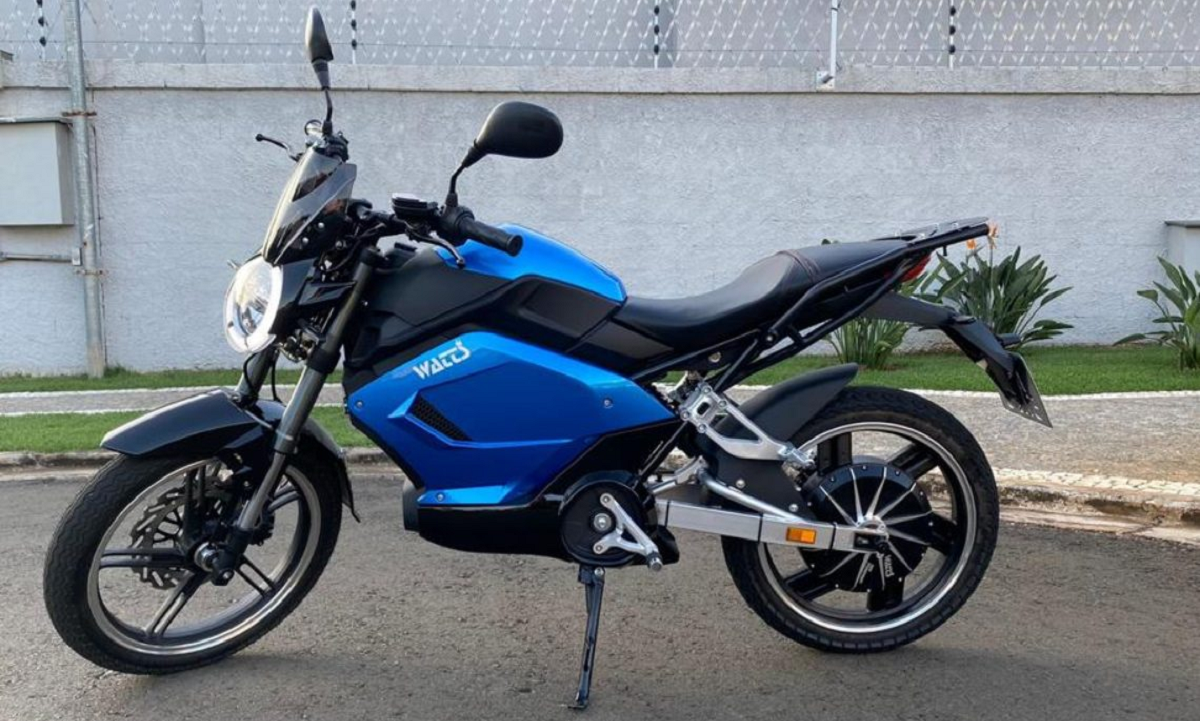

The Electric Motorcycle Is Officially Being Sold With Cutting-Edge Technology And Excellent Range
The first electric motorcycle from WATTS, called W125, began to be sold this year, since it started rolling on the streets in December 2022. Now, after its pre-sale period, the electric motorcycle is available for purchase in all states of Brazil, with batteries that promise an absurd range.
The electric motorcycle is being sold in two options: one with a single battery and another with two batteries.
As expected, the electric motorcycle with only one battery offers a range of up to 75 km, while the one with two batteries offers a range of 150 km. The prices for the electric motorcycles, with single battery and dual battery ranges, are R$ 19,990 and R$ 24,990 respectively.
-
Brazilian Factory Restores Truck Engines and Parts, Reducing Raw Material Use by Up to 85% After 80 Years in Business

-
British Marines Set Record by Changing Ford Escort Engine in 42 Seconds, Unbroken for 40 Years

-
BYD Owners in Brazil Raise Concerns Over Warranty After 87,000 km, Two Repairs in Three Days, and Over $500 in Costs

-
Classic Volkswagen Beetles of Brazilian Presidents to Swap Museums in Historic Partnership



When comparing the new electric motorcycle from Watts with conventional electric motorcycles already sold in Brazil, owners of the new electric motorcycle will spend an average of R$ 130 on energy to charge it, while conventional motorcycles may have energy costs reaching R$ 1,200 depending on fuel prices in the region, according to WATTS founder Rodrigo Gomes.
According to the founder of the brand, the price to be paid by the consumer for riding about 1,000 km with the new electric motorcycle would be around R$ 20, depending on the price of energy in each region of Brazil.
Features of the New Electric Motorcycle from WATTS
In addition to the option to buy the electric motorcycle with one or two batteries, the vehicle has many other attractive features. The new electric motorcycle has a top speed of up to 90 km per hour and a 3,000 W motor. Additionally, the motorcycle features exclusive fire prevention technology, ultra-fast charging of up to 80% in one hour, and a weight capacity of 120 kg with 20 kg in the trunk.
And that’s not all! The new motorcycle generates no noise pollution and emits no CO2, which can be considered a way to reduce environmental impacts.
The consumer leaves the store with a reverse system, digital panel, USB port, LED headlight, disc brake, alarm, and remote control included with their electric motorcycle.
WATTS also offers free maintenance when the electric motorcycle reaches 1,000 km and 5,000 km driven.
WATTS in the Electric Motorcycle Market
According to Gomes: “We are pioneers in offering electric motorcycles with exclusive range in Brazil, and since we launched our first model aimed at electric mobility, we realized that the practicality of charging the battery is a pressing issue for Brazilians. Therefore, we developed a fast charger that is easy to transport and dual voltage, so customers have more freedom and convenience to recharge wherever and whenever they want.”
The founder explains that in 2023, Watts will launch three more electric motorcycles at its Manaus facility. The factory, which is now located in Brazil, will bring more comfort to consumers, as they will be able to receive spare parts more quickly and after-sales service will be more effective.
He concludes by saying: “We are very happy with the success of the W125 range in the market, and we continue to work to offer the best for businesses and individuals who are increasingly seeking better cost-benefit and more sustainable transportation options.”