Portuguese
  Spanish


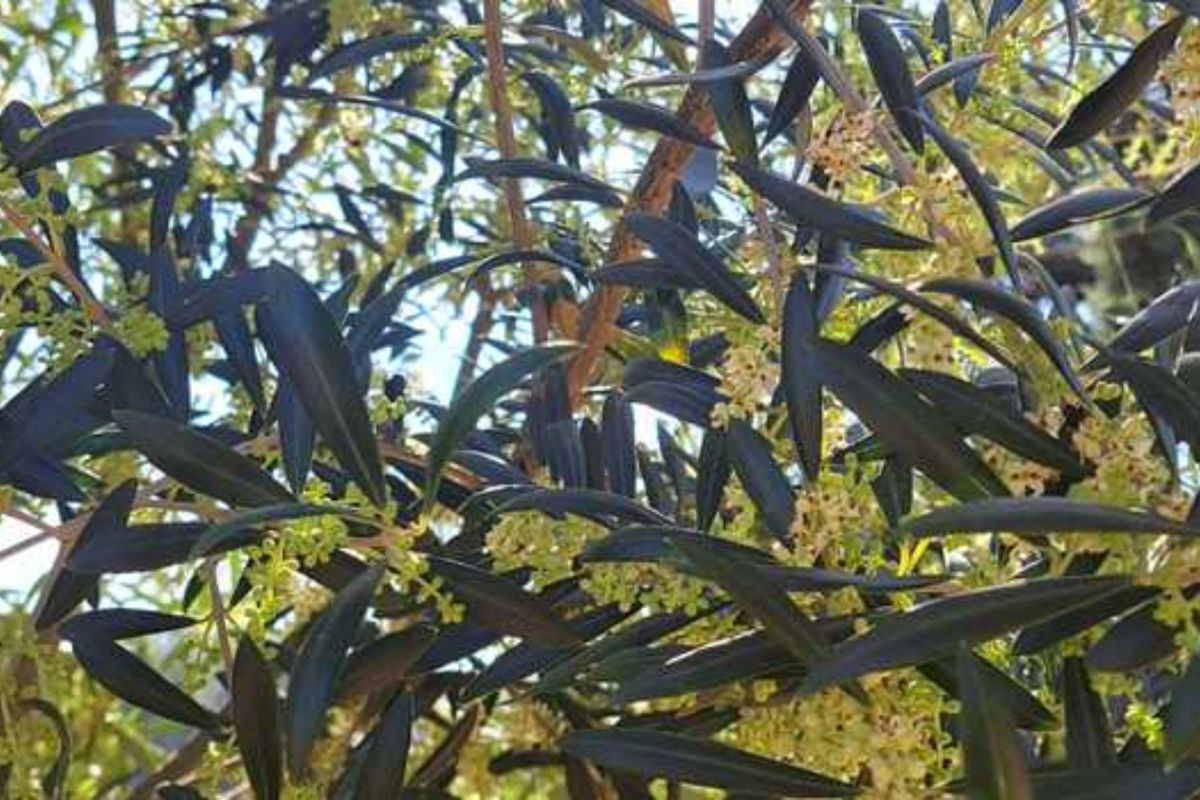

The Research of Epamig Deepens Knowledge About Olive Production in Minas Gerais and Details How Flowering, Climate, Cultivars, and Pollination Influence the Expected Results for 2026
The production of olives in Minas Gerais has been gaining increasing attention, especially in light of the technical advancements observed in the studies by the Minas Gerais Agricultural Research Company (Epamig), according to a report published.
Amidst the mountains of the Serra da Mantiqueira, researchers rigorously monitor each step of the harvests, seeking to understand how environmental, biological, and management factors interfere with the yield and quality of the oils.
The region, known for its cooler temperatures and high-altitude cultivation, has become a natural laboratory for understanding the behavior of olive trees under the specific conditions of Minas Gerais, contributing to more reliable projections for the 2026 harvest.
-
India’s Sugar Export Cuts and Ethanol Shift Amid El Niño Threat Could Impact Global Prices and Stocks

-
Quarantine Pest Threatening Palm Trees Puts Brazilian Authorities on Alert, Prompts Monitoring at University of Taubaté and Potential Control Measures Across São Paulo
-
Global Alert: Report Finds 159 Pesticides in Coffee Beans Sold in Europe, Posing Serious Risks to Millions of Farm Workers
-
Low-Demand Brazilian Beef Offal Gains Popularity Abroad: Indonesia Purchases $19.5 Million, Boosting Revenue and Reducing Waste



These studies also help producers better interpret the life cycle of the plants, providing information that guides everything from flowering to fruiting, always focusing on productive stability.
By analyzing these dynamics, Epamig expands the available scientific knowledge and creates a detailed overview of the challenges and opportunities in the sector.
Research and Advances on Epamig Research in Oliviculture
The project APQ 06033-24, funded by the Research Support Foundation of the State of Minas Gerais (Fapemig), delves into topics such as morphology, reproductive anatomy, pollen viability, and olive tree phenology.
Coordinator Carolina Zambon emphasizes that the country still has few studies on these aspects, as commercial plantings are recent.
The investigation seeks to understand how the physiology of the olive tree responds to the edaphoclimatic conditions found in the Serra da Mantiqueira, identifying reasons for the low fruiting rates and unstable yields presented by many plants of productive age.
The data obtained allows for predicting future behaviors, guiding management, and improving technical decisions, offering more security for producers who wish to increase profitability.
The production of olives in Minas Gerais is analyzed in this context to identify patterns and trends, putting the region in a prominent position in national research.
Flowerings Analyzed in the Olive Harvest in the Serra da Mantiqueira
Monitoring of flowering is essential to predict the next harvest, as without abundant flowers there is no possibility of satisfactory harvest.
Carolina emphasizes that just the quantity of flowers does not determine the final outcome, as other factors contribute to the process.
In 2025, productivity was affected by climatic events and by bienniality, a common behavior in some fruit-bearing plants.
The recent winter with lower temperatures favored a more robust flowering, while the absence of severe droughts contributed to greater balance in the development of the plants.
If these conditions persist, the 2025/2026 cycle may show significant growth.
Epamig emphasizes that the production of olives in Minas Gerais depends on continuous analyses and the response of olive trees to environmental variations, which requires regular observation and annual comparisons.
Management Guided by Olive Pollination in Brazil
To guide producers, the team monitors different cultivars and details phases such as vegetative growth, flowering, and fruiting.
Evaluations show that it will still take a few years to fully correlate these data to the particularities of the Brazilian climate.
The phytosanitary and nutritional quality of the plants is also highlighted as an essential point for good performance.
Studies confirm the need to introduce pollinator species and advocate for planting cultivars in rows, allowing for separate harvests and obtaining monovarietal oils.
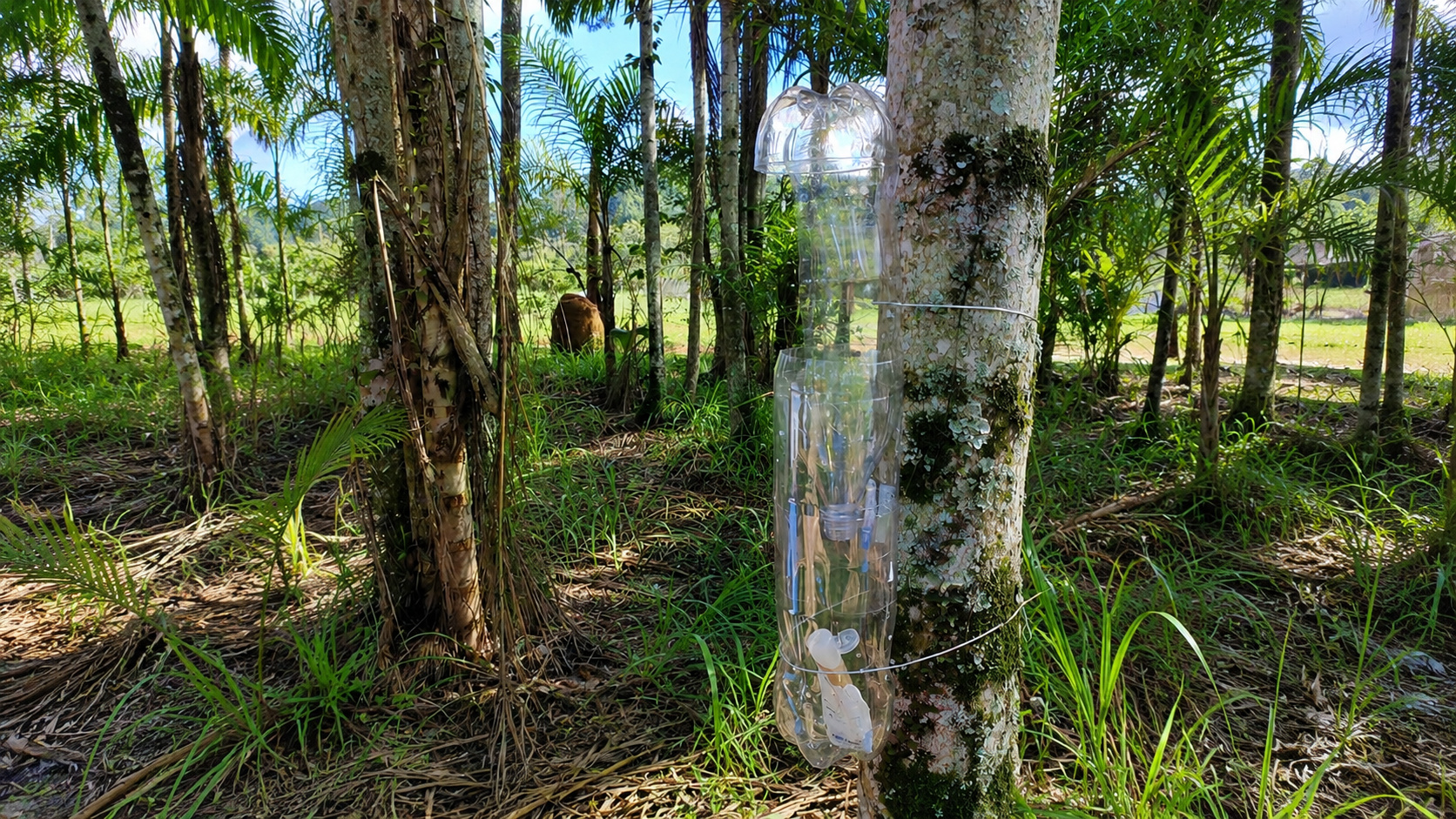
Although the olive tree is traditionally anemophilous, observations indicate that insects, especially bees, play an important role in pollination.
Thus, the relevance of the production of olives in Minas Gerais within these management systems becomes clear.
Epamig also highlights how the production of olives in Minas Gerais benefits from practices such as avoiding phytosanitary products during full flowering and applying fertilizers in specific phases.