Portuguese
  Spanish


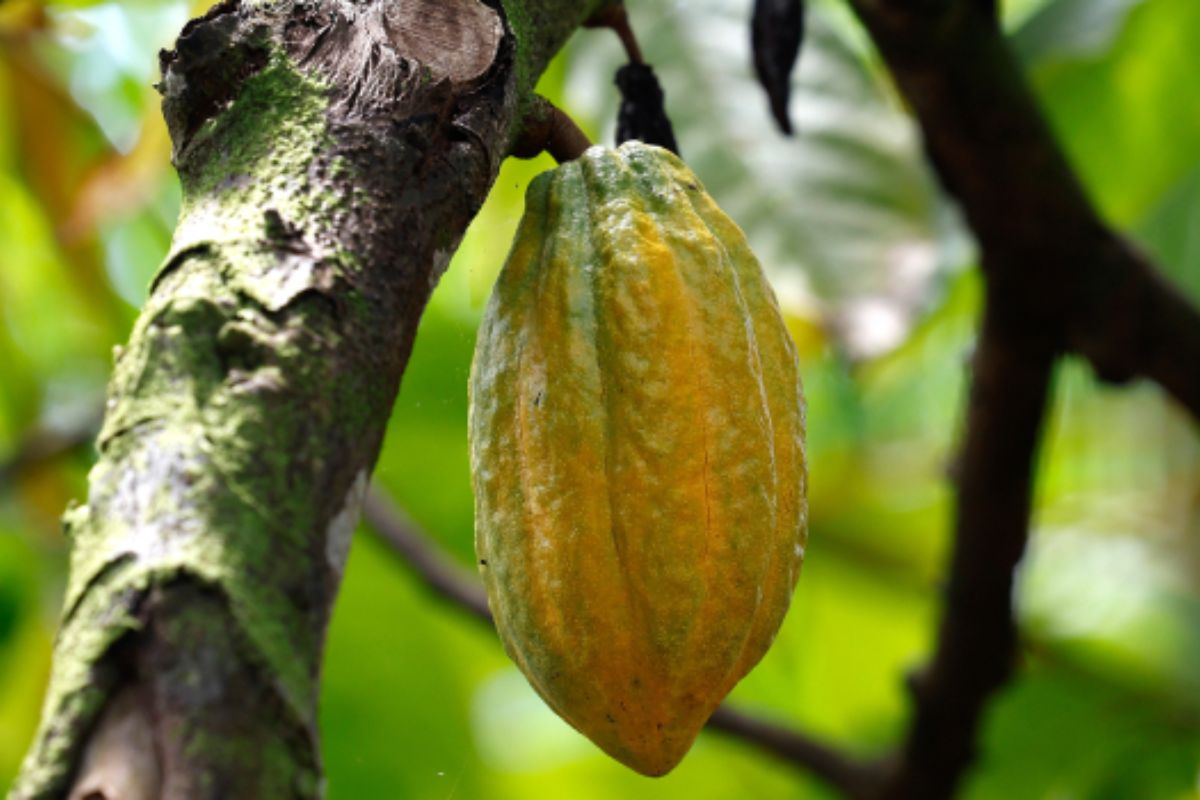

The Growth of Cocoa Production in Minas Gerais Reinforces the Agricultural Potential of the North of the State, Stimulating Investments, Diversification of Crops and Generation of Sustainable Income for Small Producers
The cocoa production in Minas Gerais has been gaining prominence in the national agricultural scene after an unprecedented survey conducted by the Company of Technical Assistance and Rural Extension (Emater-MG).
The study revealed that the state already has 480 hectares cultivated, with an estimated annual production of 161 tons, according to a report published.
The survey, initiated in March, is the first to officially map this productive chain, which had not previously been tracked by the institution’s harvest reports.
-
Warm water hidden deep in the ocean has been moving towards Antarctica for 20 years, potentially accelerating glacier melting from below.

-
Regenerative Farmers Use Keyline Plow to Improve Pasture Hydration, Storing 1 Gallon of Water Every 30 Centimeters

-
U.S. Offers Nearly $200,000 to Combat Invasive Mussels Threatening Waterways and Hydroelectric Plants
-
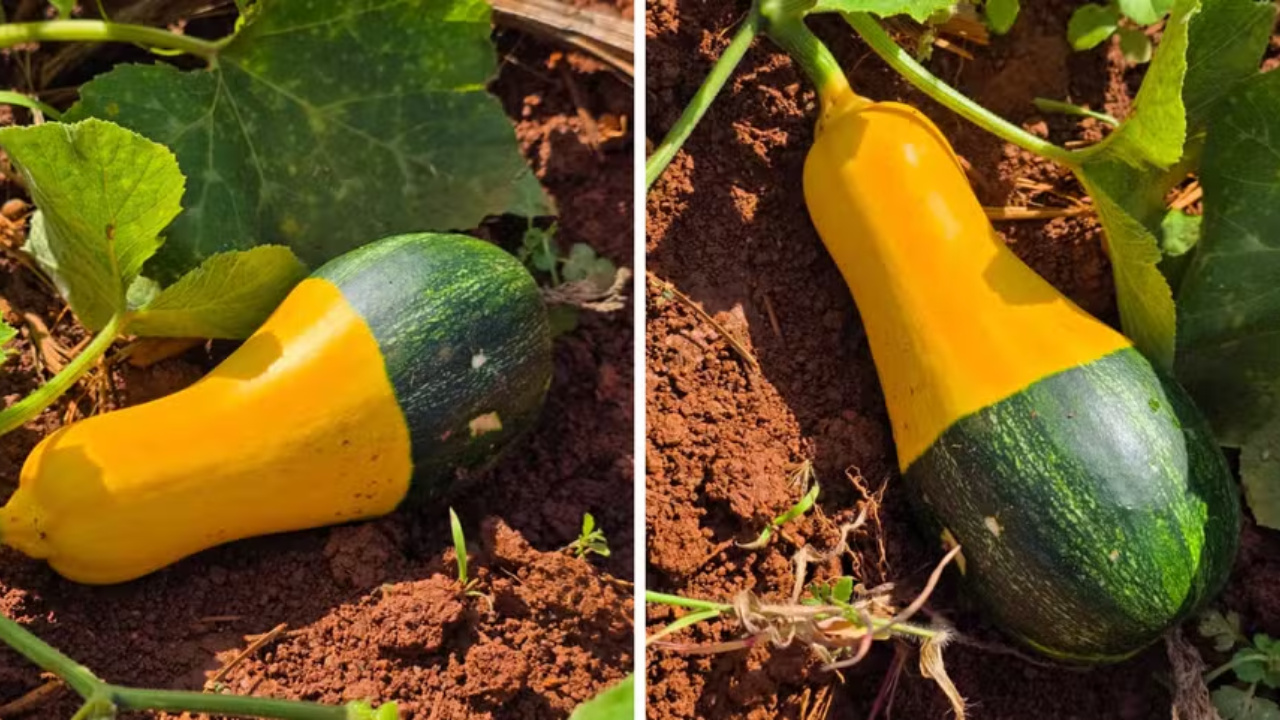
Bicolor Pumpkin Resembling Hand-Painted Art Discovered by Brazilian Researchers in the Capital Due to “Spontaneous Mutation”




According to the Technical Coordinator of Fruit Culture at Emater-MG, Deny Sanábio, the advancement of cocoa cultivation arose from the local producers’ own demand, who began to introduce the crop in different municipalities, especially in the North of Minas.
This initiative strengthens the formulation of public policies and access to new markets, facilitating the approach between producers and buyers interested in the fruit and its derivatives.
Irrigation and Intercropping Strengthen Cocoa Production in Minas Gerais
The expansion of cocoa production in Minas Gerais is strongly concentrated in irrigated areas.
The municipality of Jaíba leads the ranking with 256 hectares, representing 53.3% of the total area. Right behind are Janaúba (120 hectares), Bandeira (64 hectares) and Matias Cardoso (25 hectares).
These regions have ideal climatic conditions: high temperature, low humidity and consolidated irrigation systems.
However, cocoa requires specific care. The crop is sensitive to cold and strong winds, in addition to needing a rigorous process of fermentation, drying and storage after harvest.
Many producers have opted to interplant cocoa with bananas, taking advantage of existing irrigation structures and reducing financial risks.
According to Emater-MG, the crop also faces challenges such as the low availability of seedlings. Planning is necessary, as the cocoa tree starts to bear fruit between two and three years, but only reaches commercial levels starting from the fourth year.
Regional Investments Expand Cocoa Production Prospects in Minas Gerais
Private investments are among the main drivers of cocoa production in Minas Gerais.
In Janaúba, the company Rimo Agroindustrial Ltda allocated more than 100 hectares to the crop, replacing part of the banana plantations.
The company’s manager, Geraldo Pereira da Silva, emphasizes that the change was strategic in light of climate changes and the reduction of competitiveness in the silver banana market.
Cocoa, being a commodity with greater stability, offers storage and commercialization advantages, allowing the producer to sell in a planned manner, without depending on immediate price fluctuations.
The expectation is that, in seven to ten years, the North of Minas will reach between 8,000 and 12,000 planted hectares, transforming the region into a national production hub.
This movement reinforces the potential for agricultural diversification in Minas, stimulating sustainability and generating local income.
The role of Emater-MG in mapping and providing technical assistance has been essential to ensure that this new agricultural frontier develops efficiently and with quality.
The cocoa production in Minas Gerais thus represents a milestone in the modernization of agriculture in Minas, combining technology, irrigation and technical knowledge with the strengthening of regional economies.