






 Portuguese
  Spanish


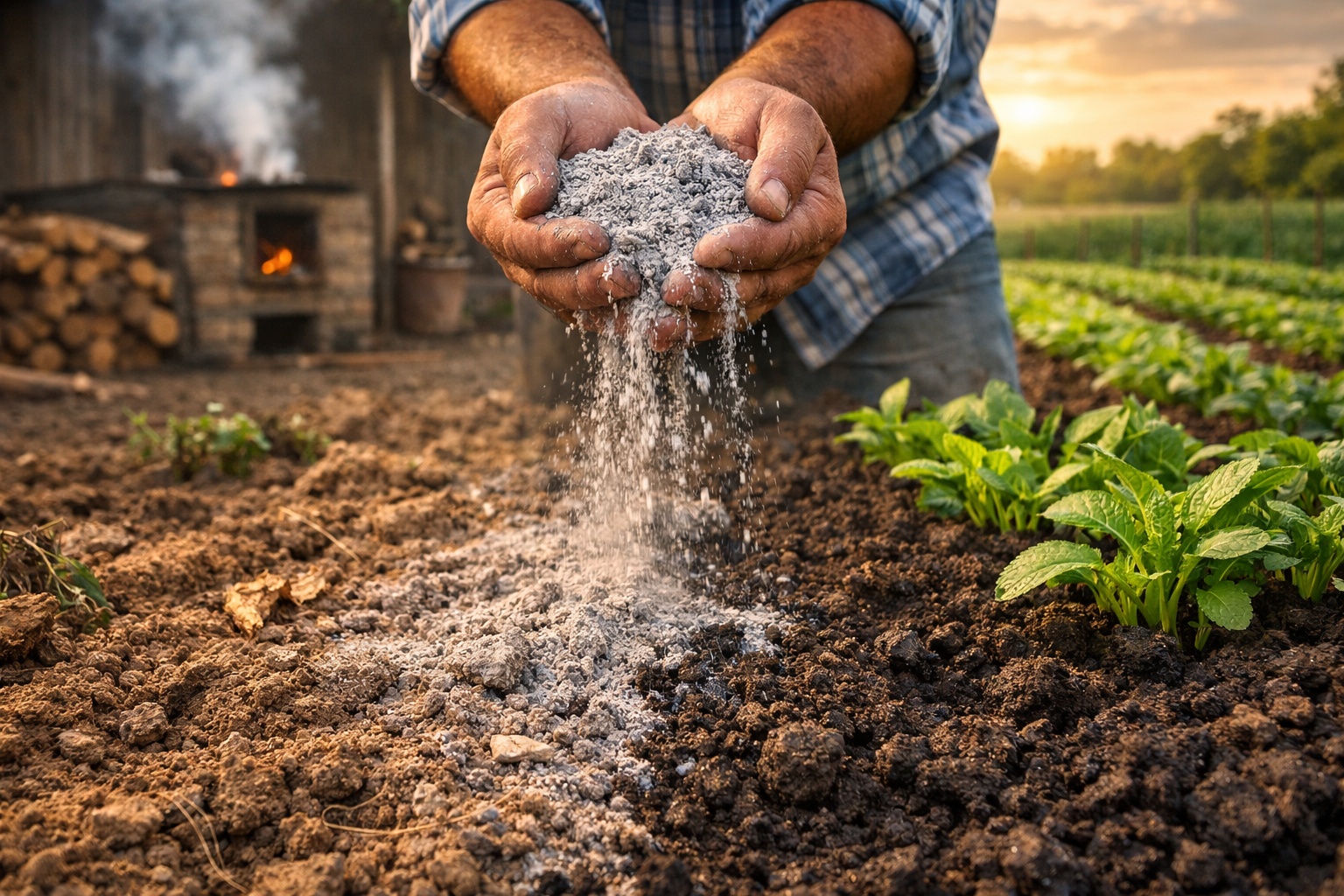


Use of Wood Stove Ash in Soil Provides Potassium, Calcium, and Magnesium, Helps Raise pH, and Can Reduce the Need for Agricultural Correctives in Gardens and Small Properties.
The reuse of wood stove ash in the soil is a traditional agricultural practice that has regained traction in small rural properties and agroecological production systems. Ash from burning natural wood contains mineral nutrients that remain after the combustion of organic matter, primarily potassium, calcium, and magnesium. When applied in a controlled manner, it can help improve soil fertility and partially reduce the need for potassic fertilizers and acidity correctives.
Wood is composed of water, organic compounds, and minerals absorbed by the tree during its growth. In the burning process, the organic compounds are consumed, but the minerals remain concentrated in the ashes. This residue, which would often be discarded, can be incorporated into the soil as an agricultural input.
Chemical Composition of Wood Ash
The composition of ash varies depending on the wood species and combustion conditions, but generally includes:
-
Producer receives news and had to cull almost the entire herd, bounced back with the help of compensation, and is now producing 450 liters of milk per day in SC.

-
Quail Eggs Reveal a “Secret Code” on Their Shells Explaining Unique Patterns and Colors

-
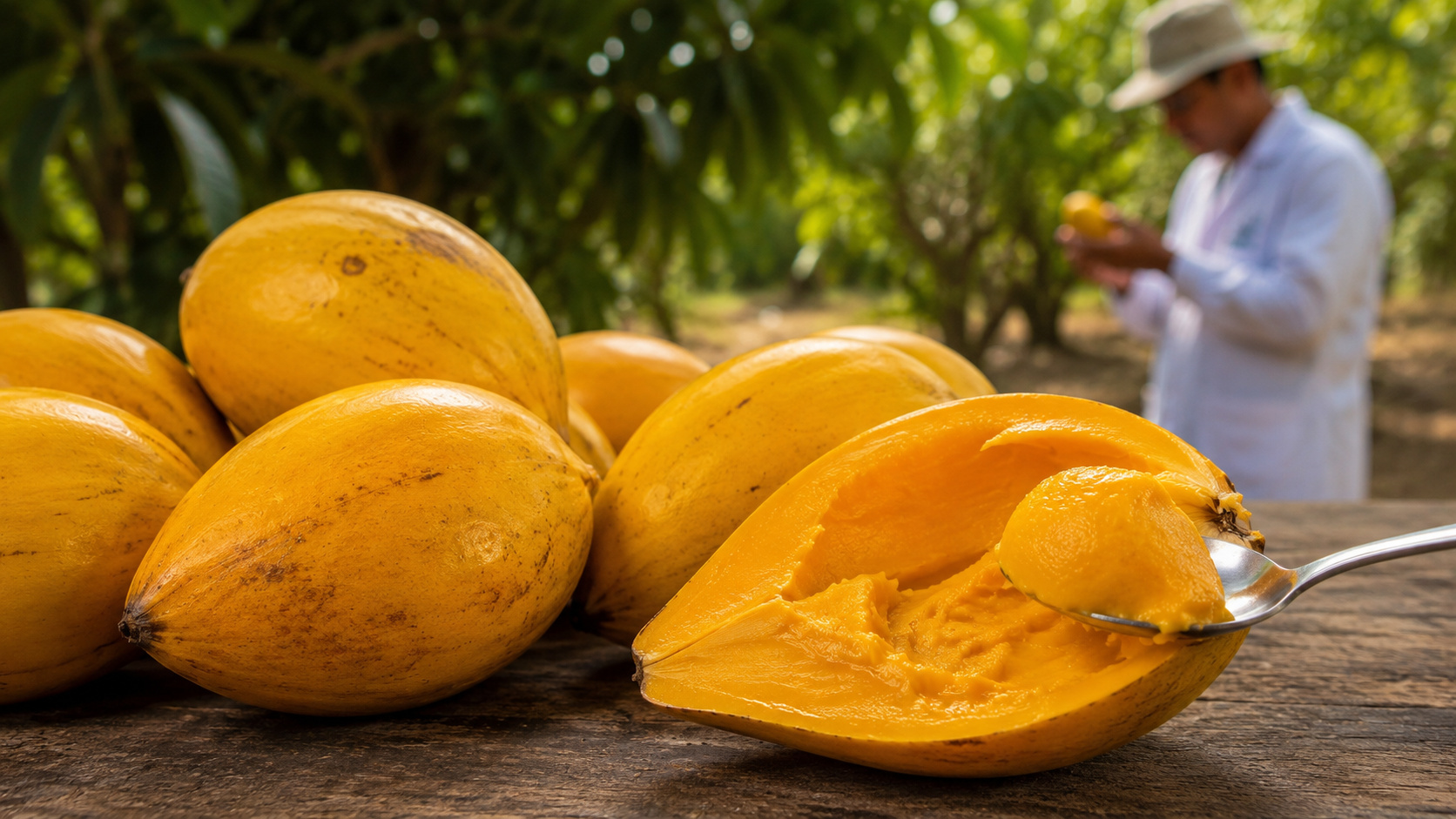
Rare Tropical Fruit Canistel, with Egg Yolk Color and Caramel Flavor, Gains Interest from Researchers and Small Producers in Brazil
-
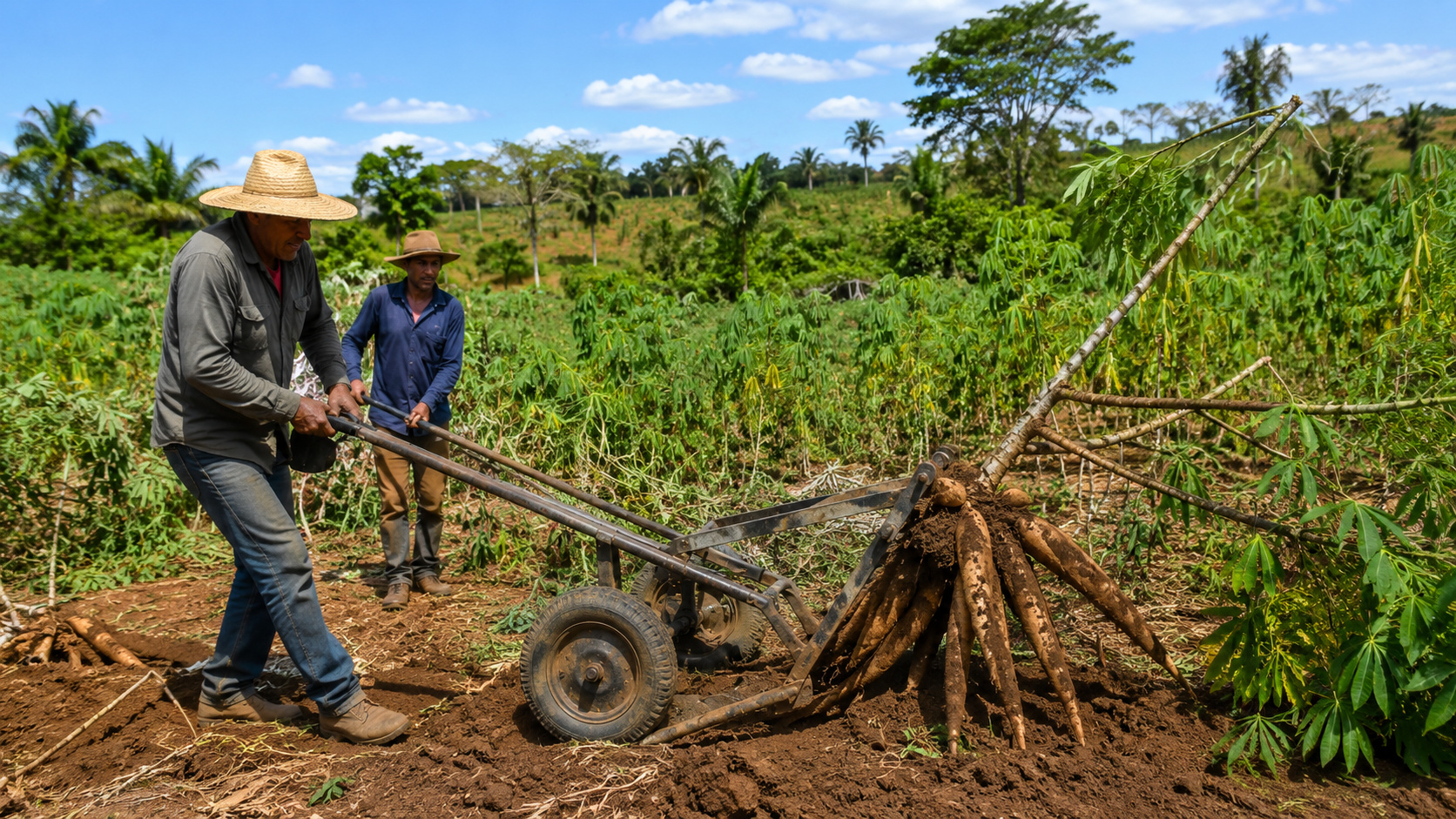
Brazilian Farmers Develop Wheeled Metal Lever to Ease Cassava Harvesting Without Heavy Machinery


- Potassium (in the form of carbonates and soluble salts)
- Calcium
- Magnesium
- Phosphorus in smaller quantities
- Micronutrients such as manganese and zinc
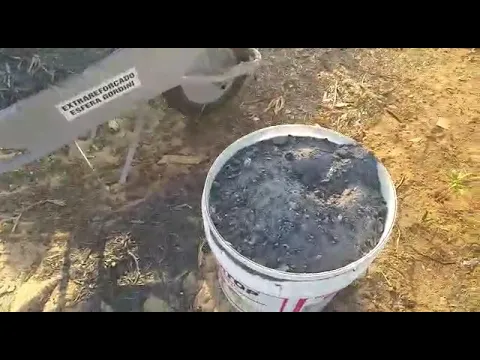

Potassium is one of the main nutrients present and plays a crucial role in plant metabolism, regulating stomatal opening, sugar transport, and resistance to water stress. The presence of calcium also contributes to soil structure and chemical balance.
Potassium and Plant Development
Potassium (K) is one of the three primary macronutrients required by plants, alongside nitrogen (N) and phosphorus (P). Its functions include:
- Regulation of cellular water balance
- Enzymatic activation
- Fruit and seed formation
- Structural strengthening
Wood ash can contain, on average, between 3% and 7% equivalent in K₂O, depending on the source. In family gardens and small crops, this input can complement fertilization, especially when access to commercial fertilizers is limited.
It is important to note that ash does not contain nitrogen, as this element is lost during combustion. Therefore, it does not completely replace balanced fertilization.
Soil Acidity Correction
Another relevant effect of ash is its ability to raise soil pH. Due to its content of carbonates and oxides, it has an alkalizing effect similar to agricultural limestone, though less predictable and more variable.

Very acidic soils can limit nutrient availability. By moderately raising pH, ash can improve phosphorus and other mineral absorption. This effect is particularly observed in highly weathered tropical soils.
However, excessive application can raise pH beyond the ideal, hindering the absorption of micronutrients such as iron and manganese. Therefore, soil analyses are recommended for continuous use.
Practical Application in Gardens and Small Properties
Producers who use wood stove ash usually follow practices such as:
- Light surface application before soil preparation
- Mixing with organic matter or compost
- Localized distribution around plants
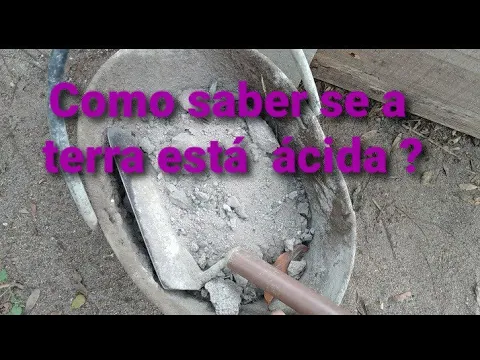
Incorporating it into the soil helps prevent losses due to wind and improves interaction with the microbiota. In household gardens, applications are usually made in small quantities per square meter, avoiding excessive accumulation.
Impact on Soil Microbiology
The moderate increase in pH can promote microbial activity in highly acidic soils. Beneficial microorganisms are involved in the decomposition of organic matter and nutrient cycling.
The presence of calcium also contributes to the aggregation of soil particles, improving structure and water infiltration.
Partial Reduction of Commercial Inputs
In properties where there is a constant production of ash from wood stoves, reuse reduces the need to purchase potassic sources in small quantities.
This is not a complete substitute for industrial fertilizers but rather a complementary use of a resource already available on the property.
Essential Care
The proper usage depends on certain criteria:
- Use only natural wood ash, without chemical treatment
- Avoid ash from industrial waste or painted wood
- Apply with moderation
- Monitor soil pH periodically
Excess can lead to excessive alkalization and nutritional imbalances.
Comparison with Commercial Potassic Fertilizers
Fertilizers such as potassium chloride have much higher and standardized concentrations of K. In contrast, ash exhibits variation in composition.
On the other hand, ash has the advantage of being virtually cost-free when already available on the property. The reuse of ash fits into the concept of rural circular economy, where internal waste is reintegrated into the production system.
In small properties with daily wood stove use, the accumulated volume over the year can represent a significant quantity of minerals.
Limitations of the Practice
The practice is not recommended as the sole fertilization strategy in intensive large-scale commercial crops. It also does not replace nitrogen sources or complete technical management. It is more common in:
- Family gardens
- Agroecological production
- Subsistence systems
- Diverse small properties
The use of wood ash in the soil is a traditional practice backed by agronomic principles. It provides potassium and other minerals, can raise pH, and contributes to structural improvement of the soil when applied in moderation.
Its utilization depends on the appropriate source of wood and balanced management, avoiding excesses. In small properties, it can represent a complementary low-cost alternative for maintaining fertility.
Thus, producers who reuse wood stove ash in the soil are utilizing a locally available mineral resource to enhance plant nutrition and partially reduce the need for commercial correctives, within appropriate technical limits.








E a cinza do carvão vegetal usado na churrasqueira pode ser usada tbm sim ou não?
Nossa Valdemar! Descobriu isso agora? Como assim? Isso é feito a gerações… Nada como um caça clicks
Nossa Valdemar