Portuguese
  Spanish


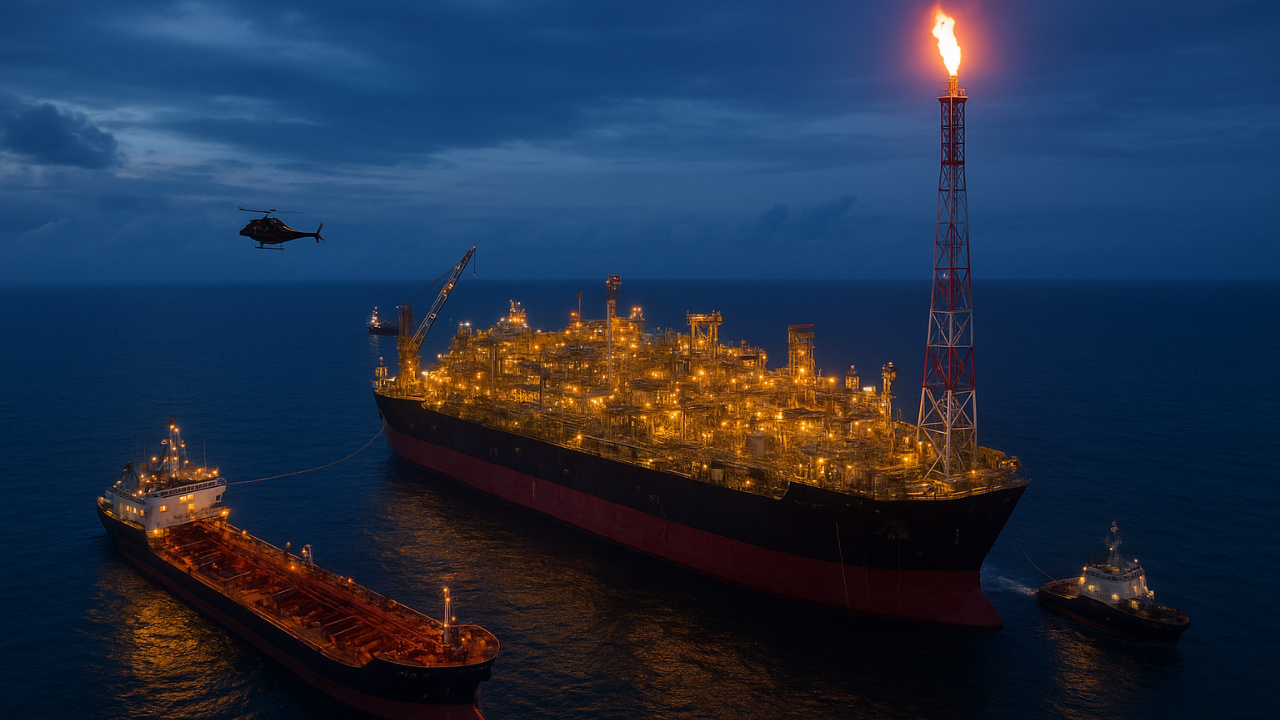

Guyana Authorized The Hammerhead Project By ExxonMobil, Which Is Expected To Double Oil Production By 2029 And Consolidate The Country As An Energy Power Near The Essequibo, In Dispute With Venezuela.
Guyana announced on Monday (22) the approval of the exploration license for the offshore Hammerhead field, located in the Stabroek block in the Atlantic. The expectation is that the initiative, valued at around US$ 6.8 billion, will turn the country into one of the world’s major oil producers in per capita terms.
The location is close to the Essequibo territory, a region that remains in dispute with Venezuela, a factor that increases the political and economic relevance of the venture.
Guyana’s Oil Production Expected To Surpass 1.5 Million Barrels Per Day
According to official estimates, when Hammerhead is fully operational in 2029, Guyana’s oil production could reach 1.5 million barrels per day (bpd). Currently, the country extracts about 650,000 bpd, in operations led by ExxonMobil, in partnership with Chevron and CNOOC Petroleum. There is also a projection to reach 900,000 bpd by the end of 2025.
-
SpaceX Plans 13 km Pipeline to Reduce Truck Reliance and Speed Up Starship Rocket Launches in the U.S.

-
Petrobras Begins Drilling Controversial Oil Well in Brazil’s Equatorial Margin Near the Amazon River Mouth
-
Petrobras Sets Record with 2.66 Million Barrels Per Day in Brazil’s Pre-Salt Oil Production
-
Petrobras to Double Natural Gas Supply in Northeastern Brazil with New Investment

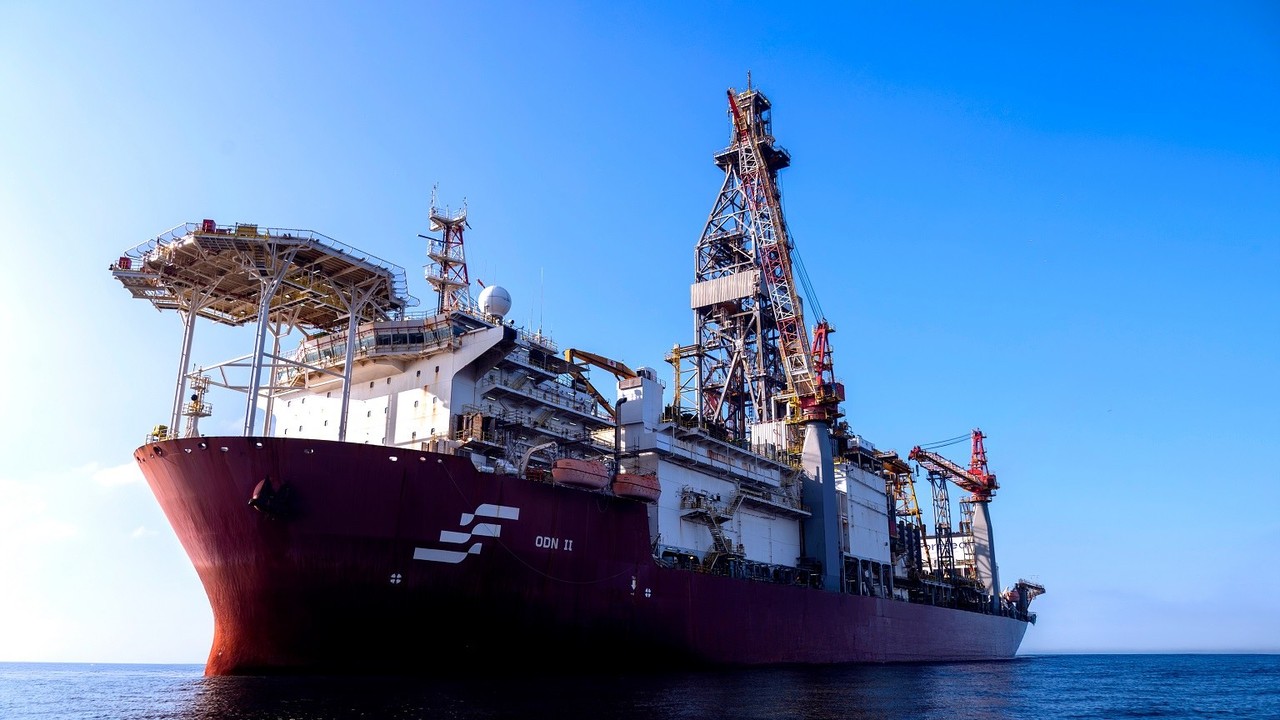


ExxonMobil highlighted that, with Hammerhead, its investments in Guyana have already surpassed US$ 60 billion among completed projects, ongoing projects, and commitments made. The construction of the FPSO (Floating Production Storage and Offloading) unit, responsible for oil production and storage, will be under the management of the Japanese MODEC, specialized in offshore operations.
Technological Structure For Exploration And Refining
The Hammerhead field will feature 10 production wells and eight gas injection wells, interconnected to a pipeline system that will transport natural gas to the mainland. To support the new production, a 300-megawatt power plant and a natural gas liquids facility are under construction, reinforcing the country’s energy infrastructure.
Guyana’s advancement in the energy sector occurs amid regional tensions. The fact that the field is close to the Essequibo, an area claimed by Venezuela, adds a geopolitical component to the operations. Analysts believe that the success of Hammerhead will not only ensure billion-dollar revenues for Georgetown but also consolidate Guyana as a direct competitor to neighboring Venezuela in the oil export arena.