






 Portuguese
  Spanish




Columbia University Scientists Warn That The Plan To Inject Aerosols Into The Stratosphere To Reduce Solar Light Could Cause Severe Climate Imbalances And Effects Opposite To The Intended
With the advance of the climate crisis and the failure to meet carbon emission reduction targets, scientists are exploring alternative solutions to curb global warming. One of these is solar geoengineering — a proposal that seeks to cool the Earth by reflecting some sunlight back into space.
However, experts warn that this technique could yield unpredictable results and may even worsen the problem it aims to solve.
The Warning About Solar Geoengineering
This week, the United Nations reaffirmed that the world is far from meeting the commitments made in the Paris Agreement of 2015. In light of this, interest is growing in methods that could temporarily reduce global temperatures.
-
AI Data Centers Now Feature Built-In Nuclear Power Plants and Have Ordered Non-Existent Reactors

-
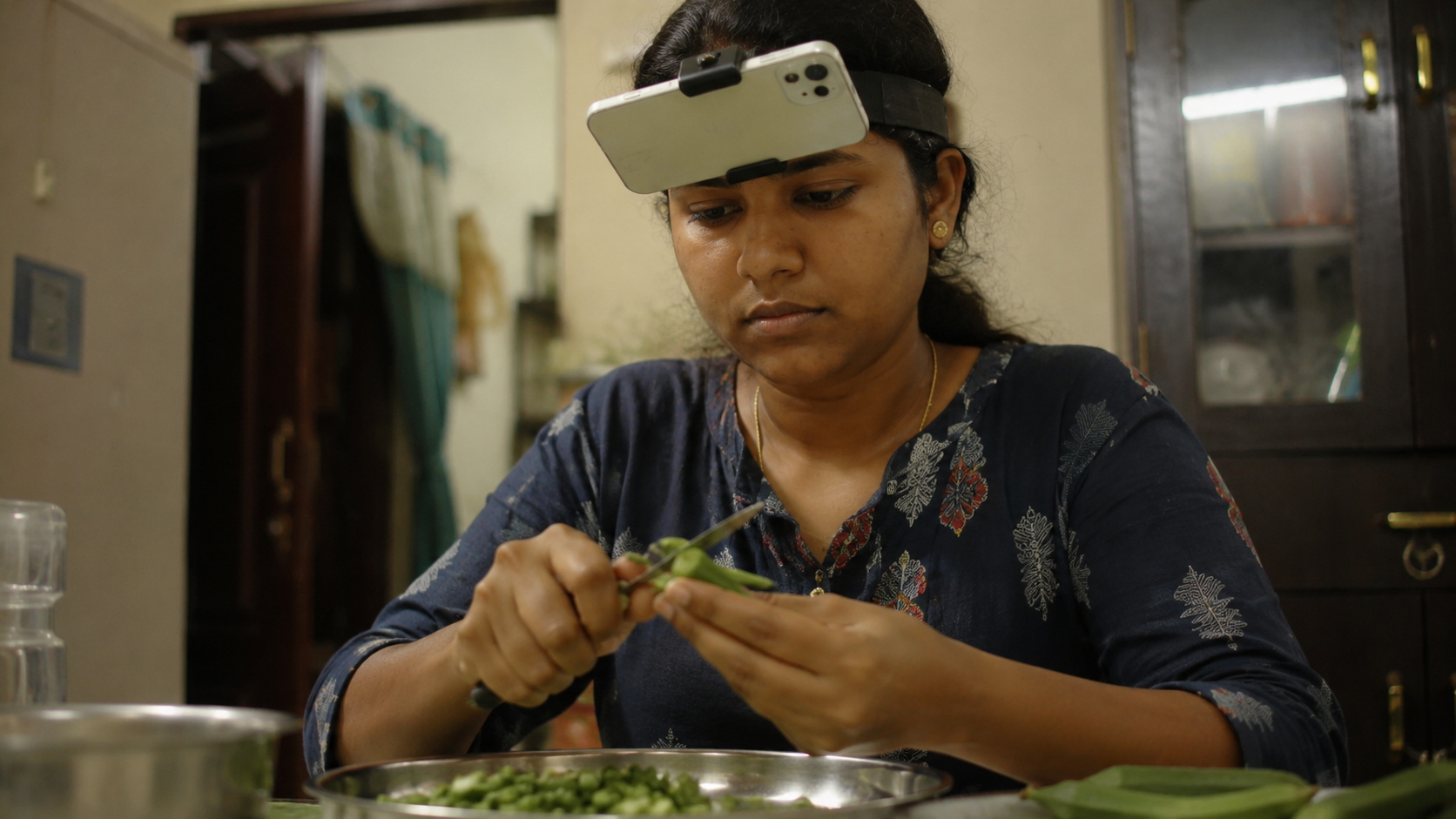
In India, thousands earn about $2.50 an hour cooking and cleaning with a phone strapped to their heads, as every move is recorded to train humanoid robots for jobs they might one day replace.

-
Nuclear Fusion Study Proposes Transforming Mercury into Gold Using Tokamak Neutrons, but Real-World Application Remains Uncertain
-
Brazilian Researchers Develop Floor Tiles That Convert Student Footsteps into Electricity to Reduce University Energy Costs




Among them, the so-called stratospheric aerosol injection (SAI) has gained prominence. The technique involves spraying particles into the stratosphere to block part of solar radiation.
However, a team of scientists from Columbia University in the United States warned that reliance on solar geoengineering could be extremely risky. Even if applied correctly, it could produce the opposite effect than intended.
According to the researchers, computational models simulating the process present optimistic results, but do not accurately depict what could happen in the real world.
Promising Simulations, But Full of Uncertainties
Researcher V. Faye McNeill, an atmospheric chemist and aerosol scientist at Columbia University, explained that the SAI method is based on natural phenomena. Volcanic eruptions, for example, release millions of tons of sulfur dioxide into the atmosphere, forming sulfate aerosols capable of reflecting sunlight and reducing global temperature for years.
Despite this, McNeill warned that laboratory simulations do not account for the numerous variables present in the real atmosphere. “There are a number of things that can happen if you try to do this – and we argue that the range of possible outcomes is much greater than anyone has imagined so far,” she stated.
The team emphasizes that, no matter how sophisticated the models are, they still idealize conditions that are impossible to fully replicate.
These simulations use “perfect” particles, released in controlled quantities and locations. In practice, however, factors such as uneven dispersion, climatic interference, and technical limitations can completely alter the behavior of these particles.
Technical And Political Obstacles
Researcher Miranda Hack, also from Columbia University, led the analysis that pointed out a series of limitations for the practical application of SAI. The challenges range from political and diplomatic barriers to engineering and logistical difficulties.
The scientists highlighted that, in an ideal scenario, there would be a centralized international body to coordinate the operation and monitor global effects.
However, they consider this governance model practically unfeasible given the current geopolitical fragmentation. The lack of consensus among countries and the risk of unilateral use of this technology further exacerbate the problem.
In addition to political barriers, the technical obstacles are also considerable. The team emphasized that global supply chains could be overwhelmed even for relatively accessible materials, such as lime and sulfur.
Other substances, such as diamond particles, have been suggested in previous research for their high reflective efficiency. However, the quantities needed for large-scale application would exceed the entire current global production.
Another critical point is the manipulation of the materials themselves. Many of them, when ground into fine particles, tend to clump together, losing the ability to effectively reflect sunlight. This would make the process even more complex and costly, reducing its efficiency.
The Need For More Studies Before Any Application
In light of the uncertainties, scientists argue that SAI is still far from becoming a practical or safe solution for climate control. The study concludes that there is a need to significantly broaden the understanding of the physical, chemical, and social consequences before any attempts at implementation.
“Even when SAI simulations in climate models are sophisticated, they will necessarily be idealized,” McNeill noted. For her, comparing the simulation results with real conditions shows how fragile and incomplete these forecasts still are.
The team’s comprehensive analysis was published in the journal Scientific Reports, reinforcing the need for caution with high-risk solutions in an already critical climate change scenario.
As the world seeks alternatives to curb global warming, researchers emphasize that haste in adopting experimental technologies may cause more harm than good.
The team published their analysis in an article in Scientific Reports.


