Portuguese
  Spanish


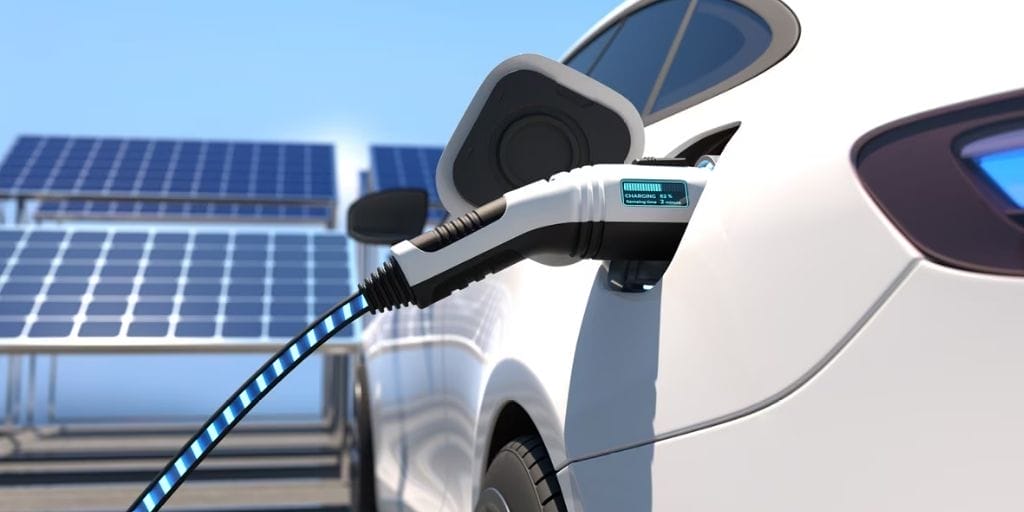

Solar Energy Is Transforming Brazil’s Energy Landscape and Has Become One of the Country’s Main Energy Sources. This Change Is Not Just a Technological Advancement, but Also an Opportunity for Those Seeking Savings and Sustainability, Especially When It Comes to Charging Electric Cars. However, How Much Does It Really Cost to Invest in Solar Energy for Your Home and What Are the Advantages and Disadvantages?
In 2023, Brazil Reached a Historic Milestone in Electric Power Generation, with Solar Energy Emerging as the Second Largest Energy Matrix, second only to Hydropower.
According to the Brazilian Association of Photovoltaic Solar Energy (Absolar), by February 2024, the country had an impressive installed capacity of 39,857 MW, representing 17.5% of total energy matrices.
This expansion is Driven by Small Producers, Especially Individuals, Who See in Solar Energy a Way to Reduce Costs in the Long Run.
-
Axia Energia Invests $280 Million in Q1, Increases Investments by 36%, and Turns Loss into $740 Million Profit

-
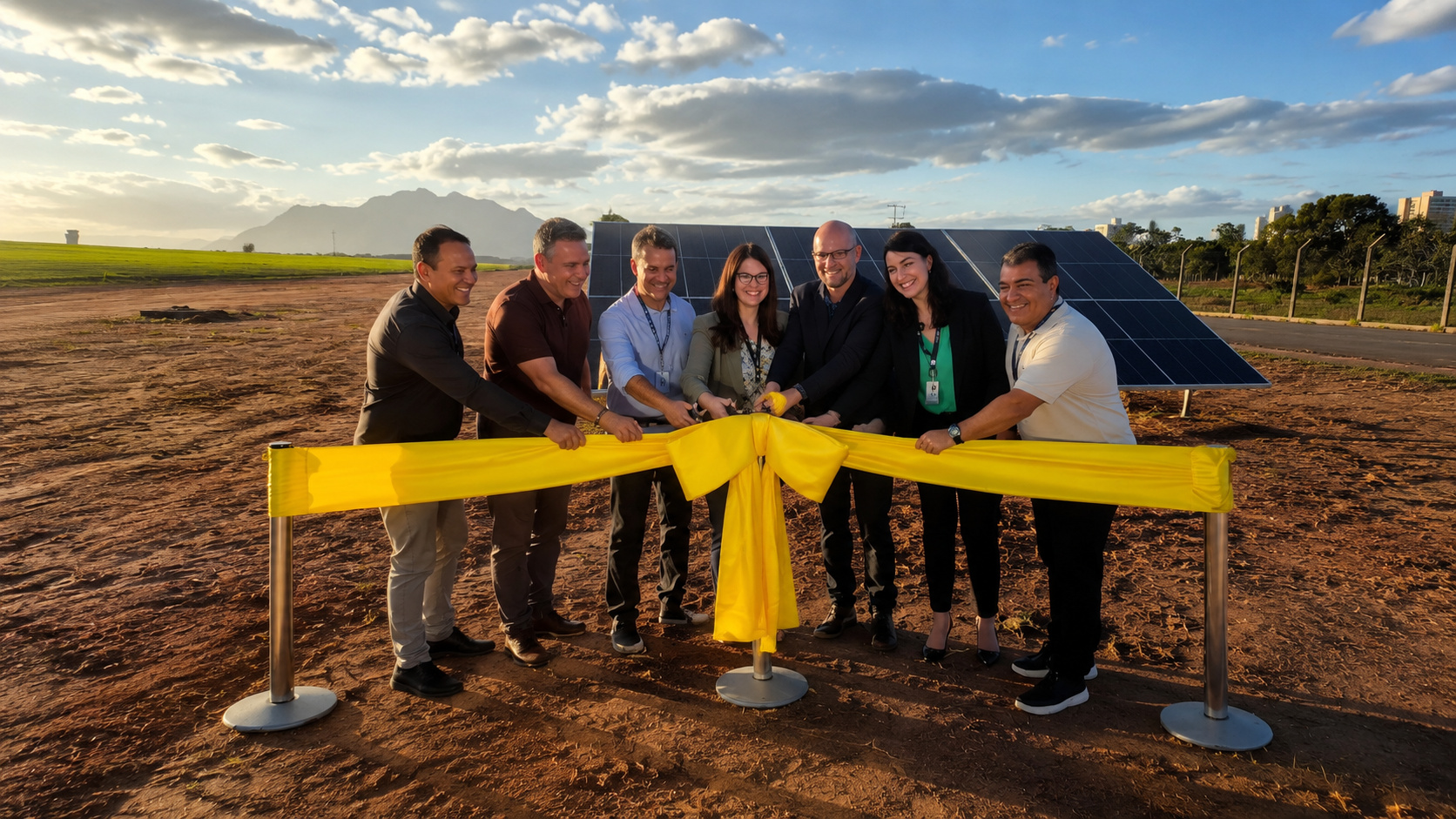
Brazil’s Vitória Airport to Launch Solar Plant Covering Area of 10 Soccer Fields, Boosting Clean Energy and Cutting Costs
-
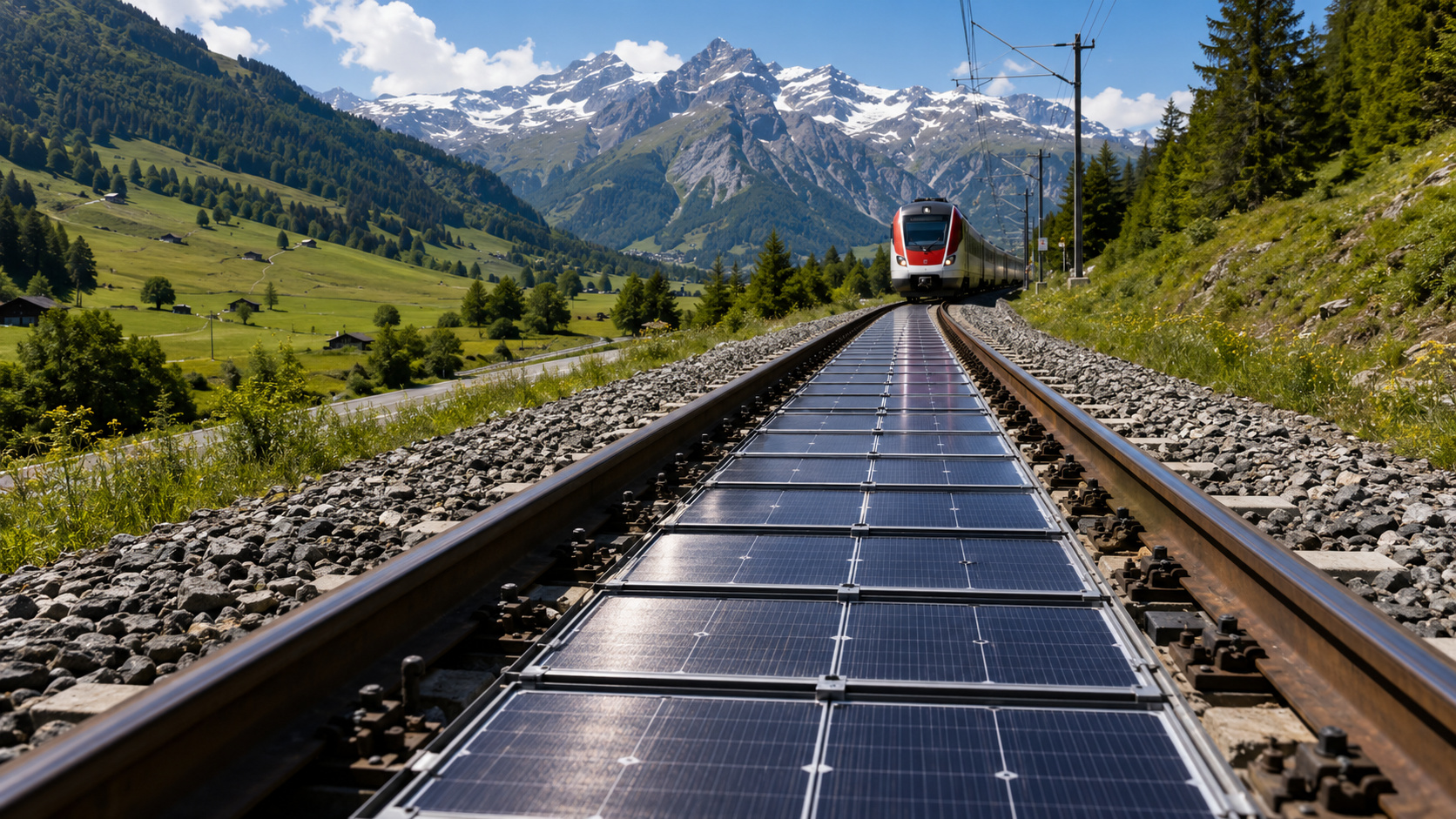
Switzerland Converts Train Tracks into Solar Power Plants with Removable Panels to Generate Energy Without Using Additional Land
-
Surge in Solar-Powered Homes in Brazil Leads to Grid Strain and Connection Restrictions in Three States


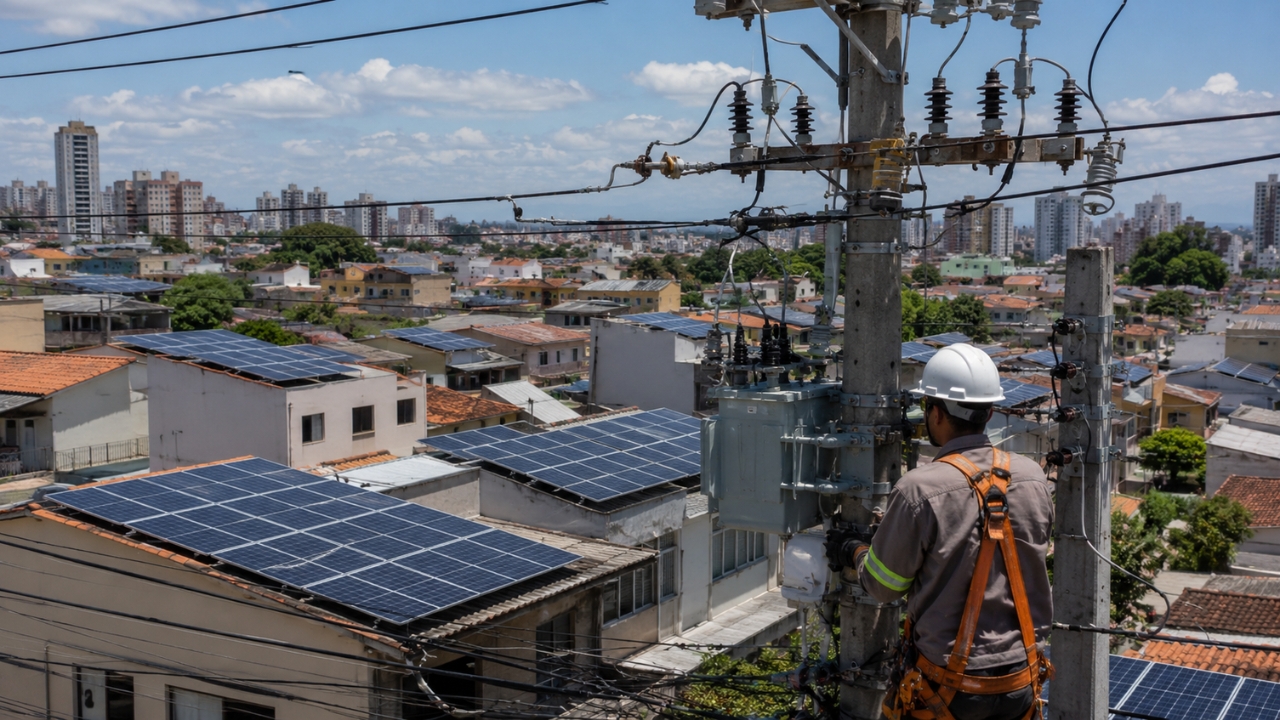
The Popularization of Solar Systems in Residences
Of the More Than 2.4 Million Solar Systems Installed in Brazil, 78.7% Are in Residences, 10.7% in Commerce and Services, and Only 1.6% in Industry.
The Majority of These Systems (99%) Are Intended for Microgeneration and Minigeneration of Energy, Highlighting the Predominance of Small Producers. This Investment, However, Is for the Long Term, and the Financial Return May Take Years.
For Those Who Own an Electric Car, the Situation May Be More Advantageous, as the Cost of Charging at Home Is Significantly Lower Compared to Public Charging Stations.
How Solar Panels Work
Solar Panels, or Photovoltaic Modules, Are Installed in Areas with High Sunlight Exposure, Without Obstructions.
The Captured Energy Is Converted from Direct Current (DC) to Alternating Current (AC) by the Solar Inverter, Making It Suitable for Consumption.
This System Not Only Ensures Electrical Safety but Also Allows for Energy Generation Monitoring. The Transformed Energy Is Then Distributed Throughout the Home via the Electrical Panel.
Cost of Residential Solar Energy
The Initial Investment for Installing Solar Panels May Seem High. Companies in the Sector Offer Financing That Equals the Client’s Monthly Energy Expenses, Acting as a Replacement for the Electricity Bill.
For Example, for an Electricity Bill of R$ 600 Per Month, the Total Cost Can Be Paid in Approximately 70 Installments of R$ 600, Totaling Around R$ 19,000. For Bills of R$ 1,000 Per Month, the Investment May Exceed R$ 30,000, with Financing in About 60 Installments.
Energy Generation and Storage
Solar Energy Generation Is Limited to Daylight and Is Affected by Weather Conditions. At Night or on Cloudy Days, Production May Be Zero, Requiring Use of the External Grid.
The Excess Energy Generated During the Day Can Be Converted Into Credits by the Utility, Which Will Be Used to Offset the Consumption from the Grid. However, Installing Batteries for Storage Is Expensive and Requires a Robust System, Which Is Not Always Feasible.
Regulation and Tariffs
Legislation Also Impacts the Economic Viability of Solar Energy. Law 14,300, Passed in 2022, Established a Charge of the “Wire B” Tariff on Excess Energy Generated, Used to Cover Transmission and Distribution Costs.
Those Who Installed the System Before January 2023 Are Exempt from This Tariff Until 2045. For Others, the Charge Will Be Gradual Until 2029, When the Full Tariff Will Be Applied.
Charging Electric Cars
The Use of Solar Energy to Charge Electric Cars Is Highly Economical. In São Paulo, for Example, the Complete Charging of a BYD Dolphin, with a 44.9 kWh Battery, Costs About R$ 45, While in Public Stations It Can Exceed R$ 100.
In Addition to the Savings, There Is the Convenience of Charging the Vehicle at Home and the Sustainability of Using a Clean Energy Source. Thus, It Is Clear That Investing in Solar Energy Represents a Significant Financial Commitment, but It Can Bring Great Long-Term Advantages, Especially for Electric Car Owners.
The Savings on Charging and the Reduction of Electricity Expenses, Combined with Environmental Benefits, Make Solar Energy an Attractive Option. But Have You Considered Investing in Solar Energy for Your Home and Electric Car? What Do You Think of the Mentioned Advantages and Disadvantages? Leave Your Comment and Join the Discussion!