Portuguese
  Spanish


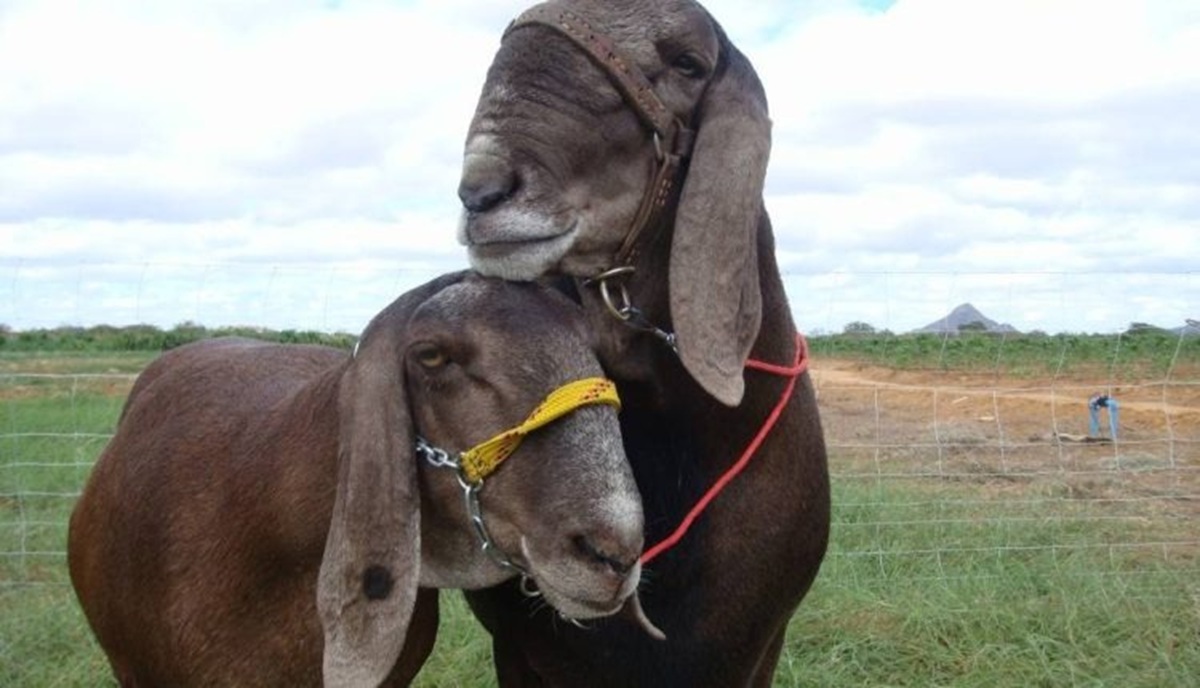


Created After The Crossbreeding Between Santa Inês And Bergamácia By A Farmer From Pernambuco, The Berganês Breed Became A Large Sheep, Highly Valued For Meat Production And Its Impact On Regional Sheep Farming
The Berganês breed originated in the municipality of Dormentes, in the Sertão of Pernambuco, during the 1980s. The development was led by local farmers who sought a sheep capable of combining hardiness, good meat yield, and rapid adaptation to the semi-arid climate.
The initiative resulted in a lineage that, over the years, became highly economically relevant for the region’s goat and sheep farming, becoming one of the productive assets of the municipality.
Criterious selection of the animals allowed for the consolidation of a large sheep, with a strong body structure and excellent performance in the field.
-
Bicolor Pumpkin Resembling Hand-Painted Art Discovered by Brazilian Researchers in the Capital Due to “Spontaneous Mutation”

-
In China, a 26-story building produces 1.2 million pigs annually, revolutionizing livestock farming with tube feeding and AI surveillance.

-
With Nearly 60% Desert, Israel Desalinates Seawater and Recycles 90% of Wastewater to Build a Billion-Dollar Agricultural Powerhouse in Dates and Cotton
-
74-Hour Barbecue in Brazil Sets World Record: 3.4 Tons of Meat, 10,500 Meals Served





Studies conducted between 2006 and 2015 analyzed the development of the Berganês and confirmed that the breed possesses superior characteristics of growth and carcass conformation, which reinforces its importance for production systems seeking efficiency and quick returns.
Accelerated Growth And Productive Characteristics
Precocity is one of the most remarkable traits of the Berganês sheep. The lambs are born with an average weight of 4.5 kg and reach about 12 kg by just 30 days old, demonstrating high weight gain potential from the first weeks.
This performance continues throughout the young phase: between 18 and 24 months, the animals can reach an impressive 130 to 140 kg, rates considered high for breeds adapted to semi-arid conditions.
The large size and good musculature favor meat production, making the Berganês a competitive option for breeders operating in the regional market.
Furthermore, adaptability to hot climates, combined with natural hardiness, allows the breed to maintain good performance even in variable feeding conditions, which is essential for rural properties in the Sertão.
Economic Importance For Dormentes And Breed Potential
The breeding of Berganês has consolidated as a strategic activity for Dormentes, contributing to strengthen goat and sheep farming and generate income for local producers.
The municipality, recognized for its tradition in goat and sheep farming, found in the breed an alternative that combines productivity and regional identity.
With rapid growth, good feed conversion, and valued carcass, the Berganês continues to expand its presence in Pernambuco’s livestock farming.
Its development remains associated with the efforts of farmers and technicians who seek to improve the lineage and reinforce the breed’s position as one of the highlights of livestock farming in the Brazilian semi-arid region.