






 Portuguese
  Spanish


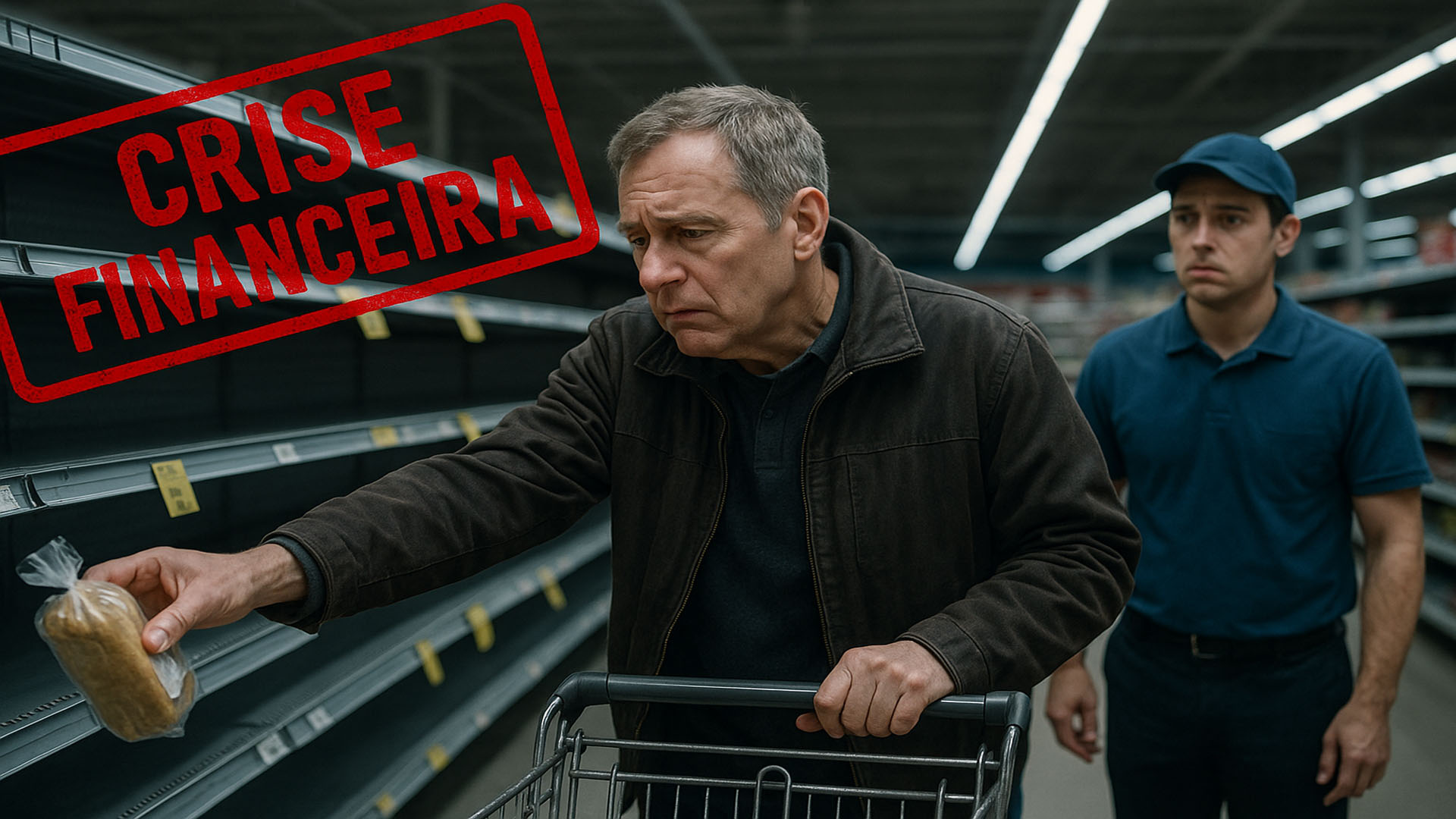


Traditional Network of Valley of Steel Turns to Justice to Reorganize Liabilities; Case Was Fixed at R$ 62.237 Million and Preliminary Expertise Has Been Determined
The Degrau Supermarket, operating under the trade name Brazil Supermarkets, filed for judicial recovery on September 22, 2025 in the 2nd Civil Court of Timóteo (MG). The company attributed a claim value of R$ 62,237,055.09 and requested urgent measures to maintain operations while negotiating debts.
With 43 years of activity and a historical presence in the Valley of Steel, the network reported that the operating result before financial expenses is positive, but the pressure of indebtedness poses a risk to continuity.
On September 23, the court ordered preliminary expertise and appointed the judicial administrator Silveira Unes Assis & Carvalho. The case is under number 5006105-70.2025.8.13.0687.
-
Brazilian Startup Turns Coffee Grounds into Plant-Based Leather, Cutting Water Use by Over 50 Times for High-Impact Sustainable Fashion

-
Eco Invest Auction Aims to Unlock $10 Billion in Investments, Focusing on Green Fertilizers, Critical Minerals, Batteries, and AI for Clean Industry in Brazil

-
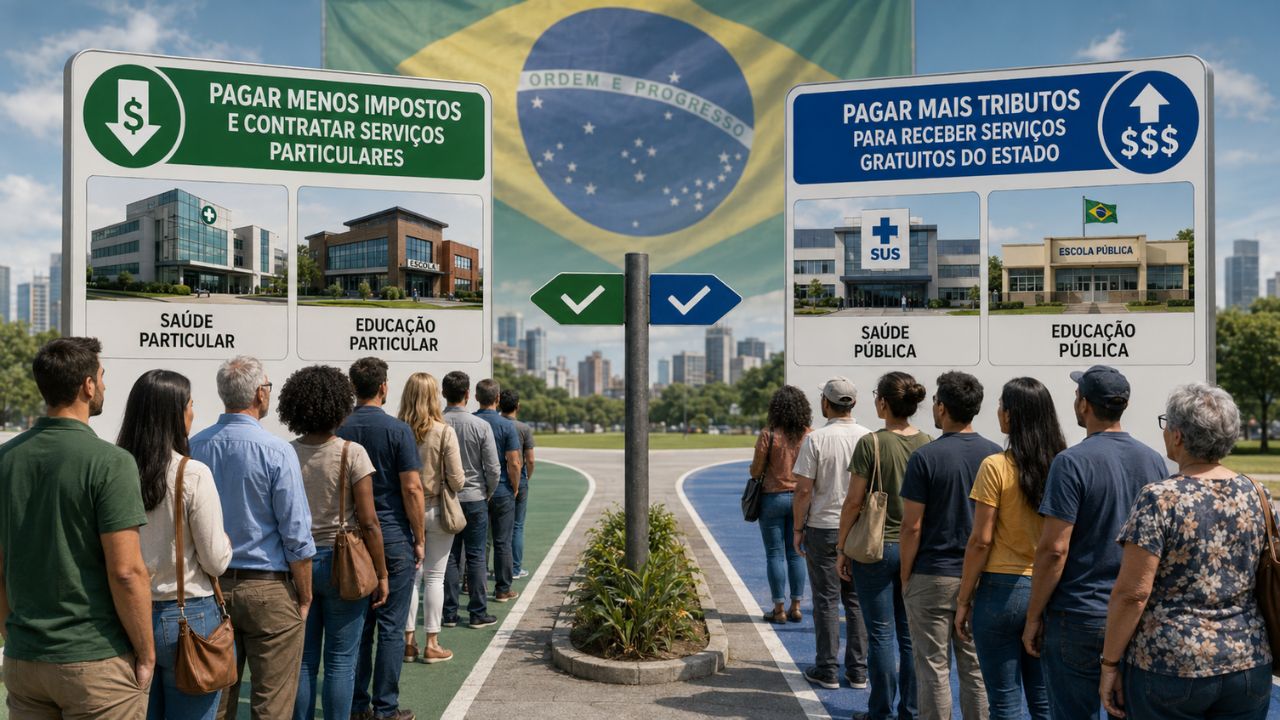
Half of Brazilians Prefer Lower Taxes with Private Health and Education, While 44% Opt for Higher Taxes for State-Provided Services, Datafolha Survey Reveals

-
Brazil’s Most Expensive Toll Rises to R$ 40.60 on Route from São Paulo to the Coast, Nearly Matching Bus Fare to Santos



The decision comes after years of revenue growth, from R$ 97 million to R$ 202 million, but with operating and financial expenses on the rise and retention of card receivables due to fiduciary assignment, which squeezes working capital. Imminent liabilities total approximately R$ 71.2 million among claims subject to and not subject to judicial recovery.
Why Did the Degrau Supermarket File for Judicial Recovery
The petition outlines a expansion plan in 2019, contracted in a scenario of low interest rates. With the turn of the cycle, Selic rose from ~2% p.a. to ~15% p.a., increasing the cost of post-fixed debts. Result: direct pressure on cash flow.
The pandemic intensified input costs, logistics, and sanitary measures, eroding margins. The competition from cash-and-carry stores and large chains in the region also compressed prices and volumes.
Another critical point is the fiduciary assignment of card receivables, which automatically retains part of the daily cash flow. The company describes this mechanism as a “financial strangulation” for working capital.
What Changes Now for Customers, Jobs, and Suppliers in the Valley of Steel
The judicial recovery allows the company to continue operating while presenting a restructuring plan, with temporary suspension of executions and protection of essential contracts. Declared objective: preserve jobs and ensure local supply.
The network has economic and social relevance in the Valley of Steel, which amplifies the impact on jobs and the supplier chain. Local media emphasize the importance of maintaining service continuity.
For customers, the expectation is for regular operation of the stores. For suppliers, the focus is on negotiations and payment conditions outlined in the plan. The initial phase is still one of diagnosis and cash preservation.
Regional Competition and Effects on the Supermarket Market
The document mentions the entry and consolidation of networks such as Assaí, Mineirão Atacarejo, Mart Minas, Coelho Diniz, and Supermercados BH in the surroundings, intensifying the “price war.” This environment pressures the margins of local operators.
Experts remind that successful recoveries can stabilize supply chains and avoid layoffs, reducing the domino effect in transport, fruits and vegetables, and the food industry.
In parallel, the market observes portfolio rearrangements, possible asset sales, and store optimization, actions common in judicial recovery plans of the food retail sector.
Do you think that judicial recovery is the best way to save jobs and protect consumers, or does it prolong the problem and penalize suppliers? Share your opinion.




Eu tive a infelicidade de fechar uma churrasqueira no Centro do Rio de Janeiro e sei bem o que é lutar pra manter a chama acesa e ver apagando até fechar as portas
Infelizmente, tem fanático que diz que o governo não tem culpa, se vc foi um comerciante sabe muito bem o porque que a economia vai ruim