






 Portuguese
  Spanish


Archaeologists locate artifact up to 3,000 years old in Parintins; discovery may reveal new details about ancient Amazonian peoples.
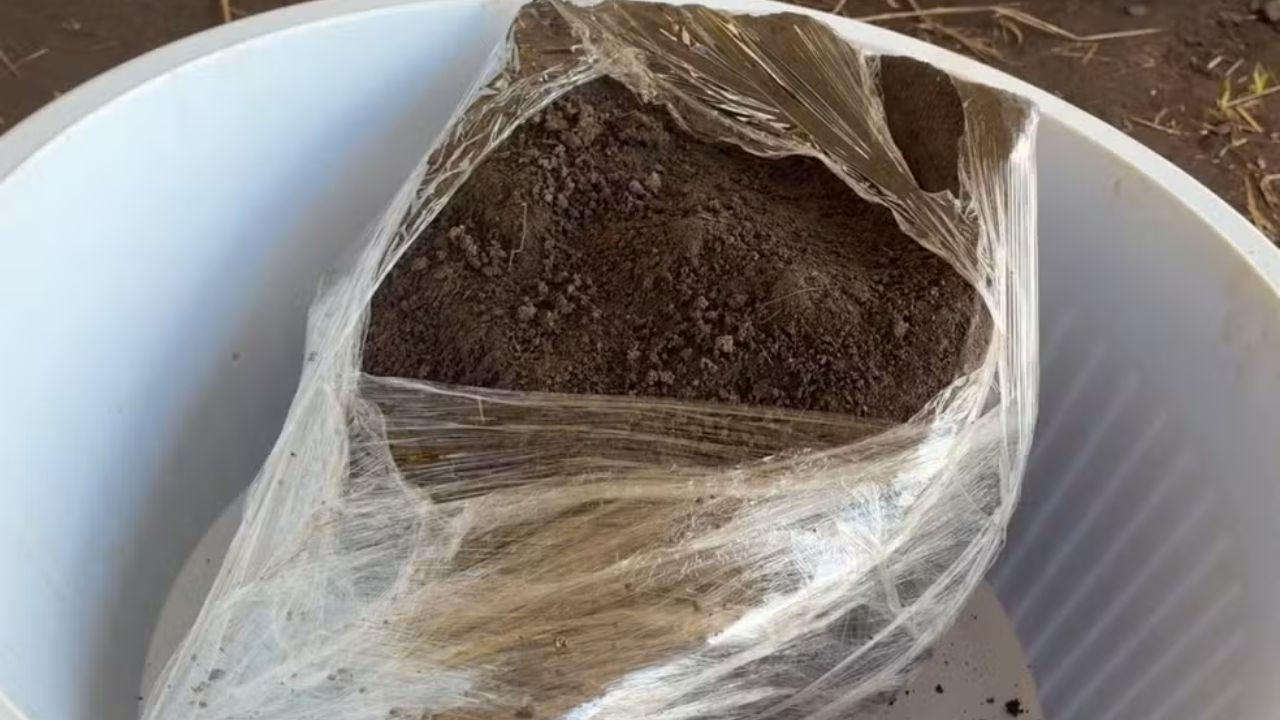
An archaeological discovery made in Parintins, in the interior of Amazonas, caught the attention of researchers due to the state of preservation of a piece produced approximately 2,000 to 3,000 years ago. Found during excavations at an archaeological site located in the historical area of the city, the object could provide new information about populations that occupied the Amazon in ancient times. The material was located on Thursday (4), buried about 80 centimeters deep.
According to g1, the vessel was recovered almost intact, a condition considered unusual compared to other remains already found in the region. The artifact will undergo specialized laboratory analyses along with other materials discovered during the project.
Discovery stands out among findings in Parintins
The archaeological activities developed at the Companhia Têxtil de Parintins site have been revealing different historical evidence since the beginning of the excavations, carried out last year. However, the new object has sparked special interest among researchers for presenting a level of preservation rarely observed at the site.
-
South Korea to Sink 20 Massive Concrete Coffers Off Busan Coast to Build 1.4 km Breakwater at Jinhae New Port, Part of $9.4 Billion Expansion to Rank Among World’s Top 3 Ports

-
Venice Deploys 78 Massive Steel Gates to Shield City from Extreme Adriatic Tides

-
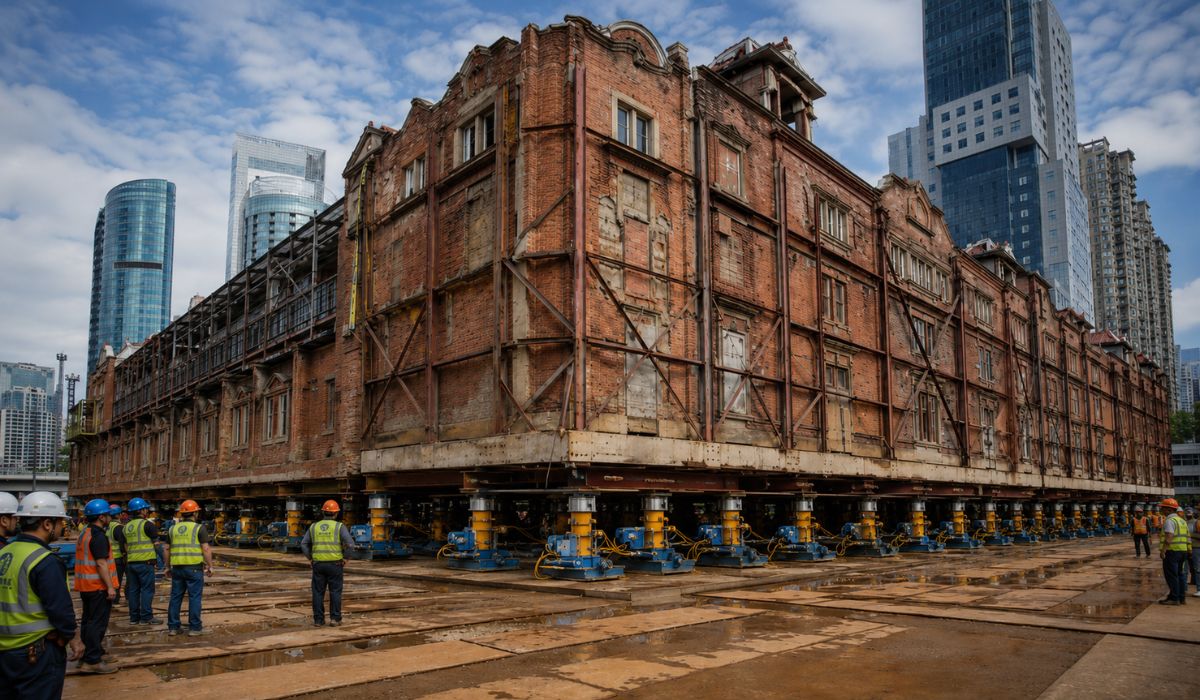
China Uses 432 Robots to Move a 7,500-Ton Historic Building in Shanghai, Preserving Architecture While Creating Space for Underground Center
-
World Cup Ball Chip Uses Technology to Detect Invisible Touches, Confirms Offside, Secures Portugal’s Victory Over Croatia




According to archaeologist Clarice Bianchezzi, from the University of the State of Amazonas (UEA), the relevance of the find lies precisely in the possibility of obtaining more complete information about the piece.
In a statement to researchers, she explained that similar fragments had already been identified previously, but noted that this is the first specimen found in a condition much closer to the original. According to the specialist, this significantly increases the potential for studies on the material.
What can the artifact reveal?
The analysis of the vessel could contribute to the understanding of human groups that lived in the Amazon region thousands of years ago.
Among the aspects that can be investigated are:
- Techniques used in ceramic manufacturing;
- Cultural characteristics of ancient peoples;
- Forms of occupation of the Amazonian territory;
- Relations between different communities in the region;
- Processes of population expansion over time.
Experts believe that each detail preserved in the piece can help reconstruct part of the history of the societies that inhabited the Amazon before the colonial period.
Archaeologists associate piece with Pocó tradition
Another piece of information considered important by researchers involves the possible cultural origin of the object.
According to archaeologist Helena Lima, affiliated with the Emílio Goeldi Museum, the characteristics observed in the ceramics indicate a connection with the so-called Pocó tradition. This set of cultural manifestations was present in different areas of the Amazon Basin between approximately 2,000 and 3,000 years ago.
The researcher emphasized that these populations participated in a broad process of territorial occupation in the Amazon. As she explained, studies developed over more than two decades show that this type of ceramics is related to the expansion of human groups across various Amazonian regions.
Parintins gathers dozens of archaeological areas
The new finding reinforces the importance of Parintins for historical and archaeological studies of the Amazon.
Currently, the municipality has 42 archaeological sites already identified and recorded by researchers. These locations hold traces that help understand human presence in the region over the centuries.
Besides the production of scientific knowledge, the work carried out in these spaces also plays a significant role in the training of new professionals in the field. The research allows students and specialists to develop field activities and expand the documentation of the Amazonian archaeological heritage.
Next steps of the investigation
After careful removal from the soil, the artifact will undergo cataloging and technical analysis procedures. The same process will be applied to other materials found during the excavations.
Laboratory studies will examine aspects such as composition, production techniques, and the state of conservation of the piece. This information can be compared to other archaeological records of the Amazon.
Meanwhile, excavations continue at the site located on the Parintins waterfront. Researchers expect that new discoveries will help complement the knowledge about the ancient inhabitants of the region.
The vessel found this week represents one of the most significant results ever recorded at the site. For the archaeologists involved in the project, the piece reinforces the scientific potential of Parintins and demonstrates that the Amazonian subsoil still holds important chapters of human history waiting to be revealed.
Source: g1


