






 Portuguese
  Spanish


UFPA And Norte Energia Develop Poraquê, First Electric And Sustainable Boat In The Amazon, Powered By Clean Energy And Urban Mobility, Reducing CO₂ Emissions.
UFPA, in partnership with Norte Energia, announced the development of the first electric boat in the Amazon, highlighting the commitment to clean energy and urban mobility. This electric boat represents a significant advancement in the decarbonization of river transport in the region, contributing to the reduction of CO₂ emissions.
In addition to the electric boat, the project includes a sustainable catamaran and other river vehicles, such as the electric vessel, capable of transporting up to 2,000 passengers daily. This significant step not only promotes sustainability but has also demonstrated that it is possible to integrate technological innovation with environmental preservation in urban mobility in the Amazon region.
Belém Inaugurates Poraquê, A Sustainable Catamaran
The city of Belém, in Pará, presents Poraquê, a modern fully electric sustainable catamaran. Powered by clean and renewable energy, the electric boat is the result of a collaborative project between Norte Energia, the concessionaire of Belo Monte Hydroelectric Plant, and the Federal University of Pará (UFPA). The name ‘Poraquê’ is a reference to the electric fish, typical of the Amazon rivers, emphasizing the power and innovation of the electric river vehicle.
-
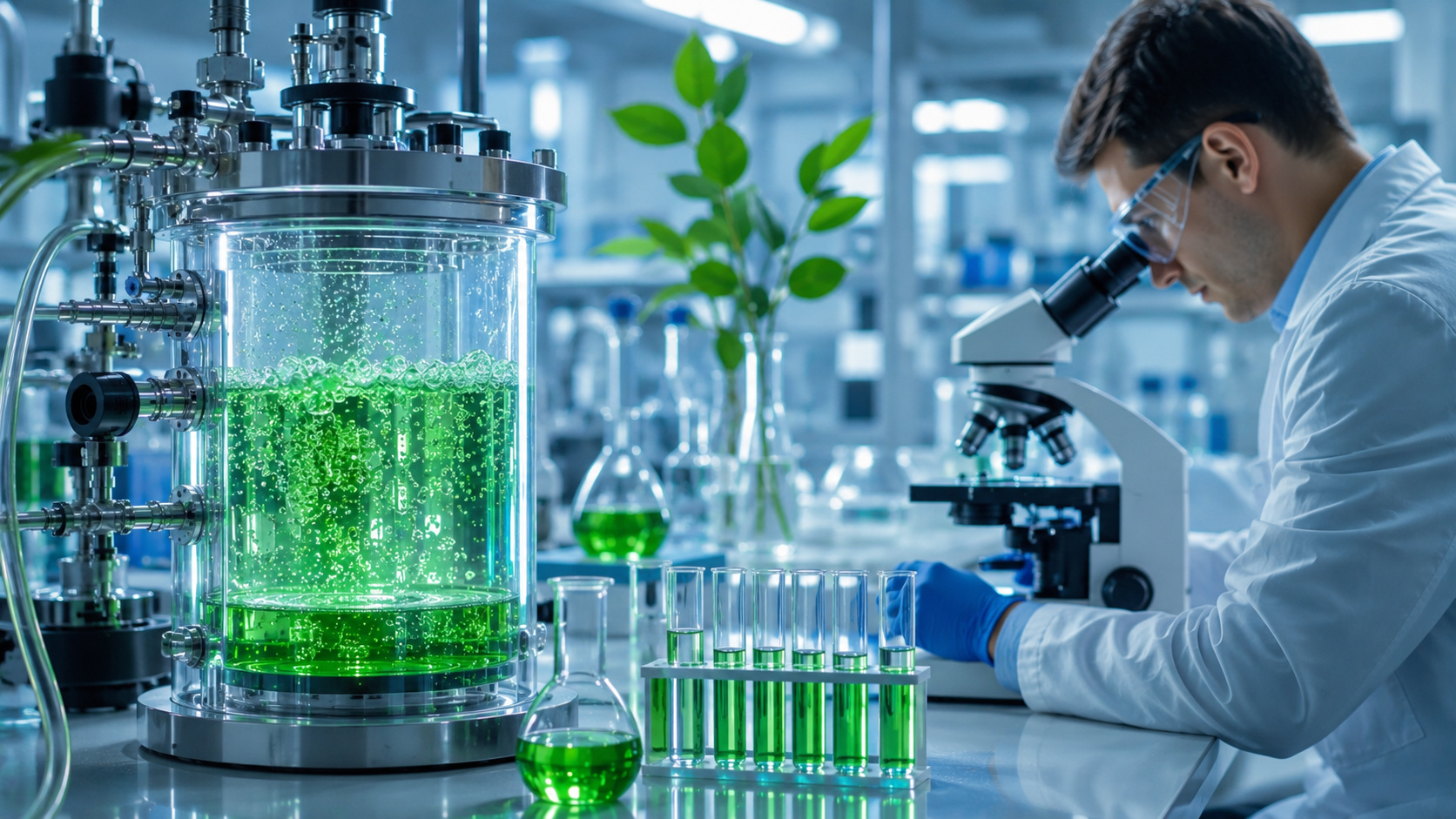
Brazilian scientists are simultaneously advancing two research projects on clean hydrogen and driving solutions that could transform the energy matrix, enhance industrial competitiveness, and accelerate large-scale emission reduction targets.

-
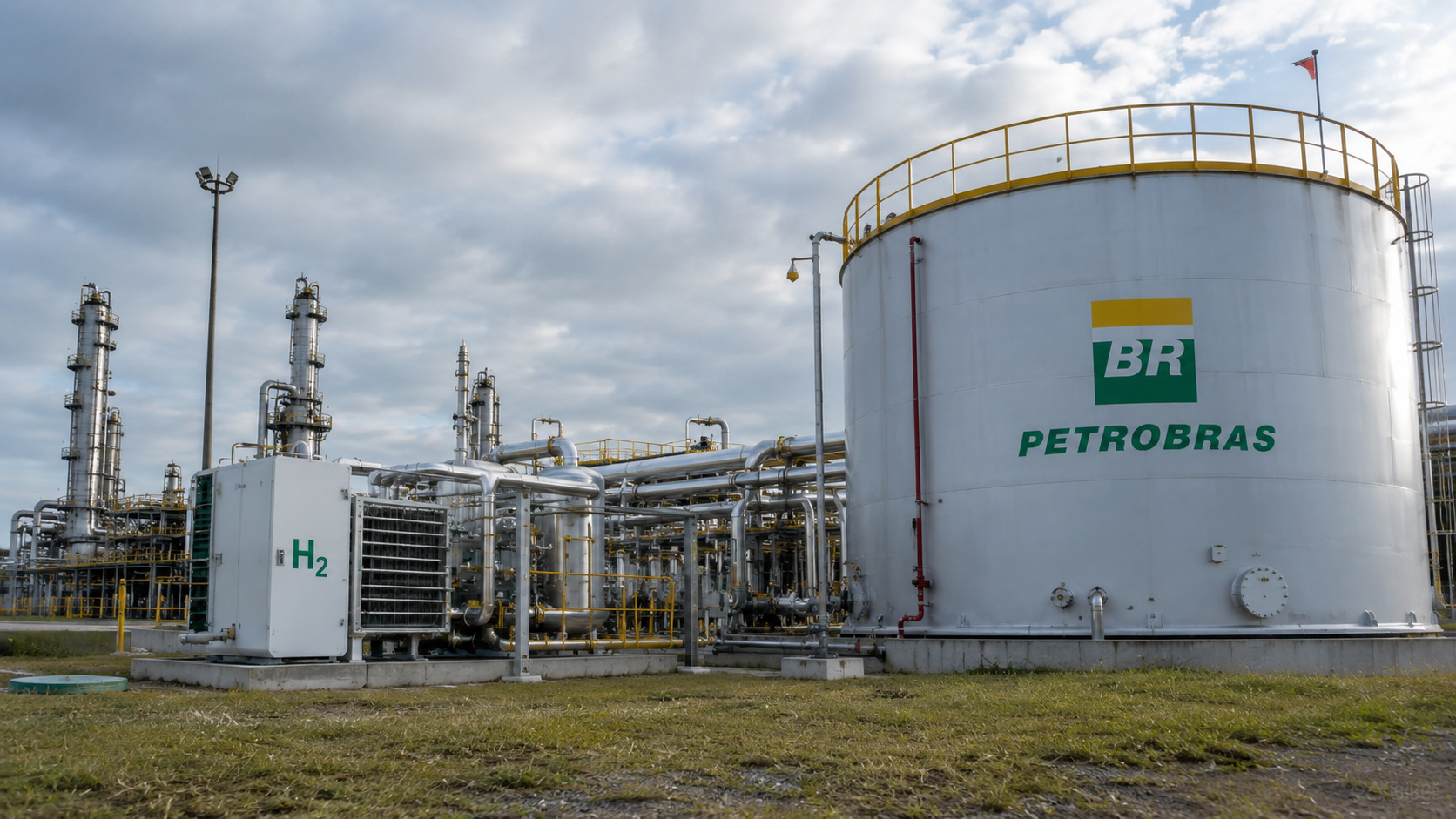
Advancement in renewable energy: A R$ 150 million project launched by Petrobras and Finep aims to create state-of-the-art electrolyzers for green hydrogen, strengthening national research and preparing Brazil to compete in a billion-dollar energy market.
-
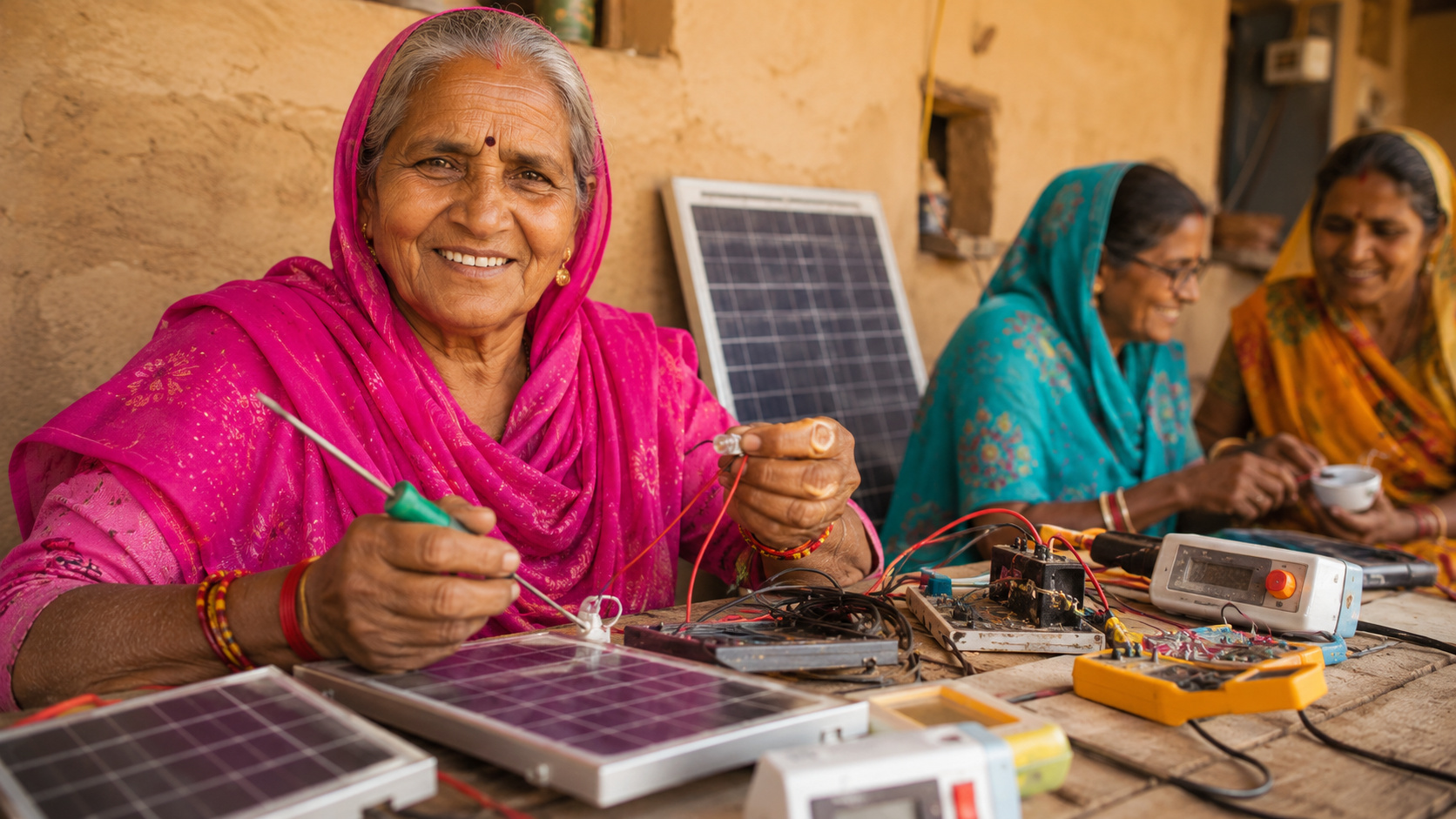
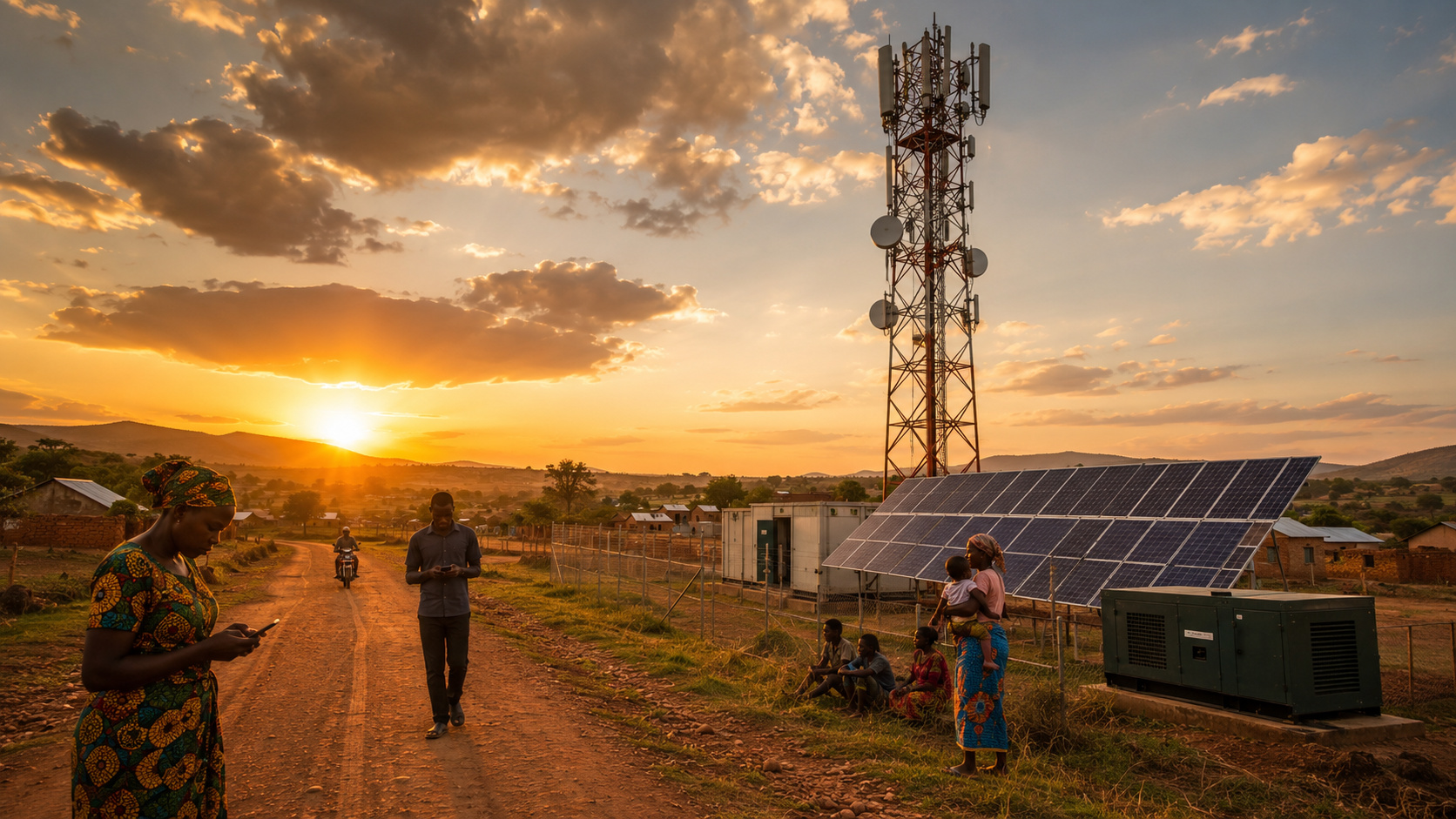
Illiterate or semi-literate grandmothers were trained to repair solar systems, open rural workshops, and light up homes that still depended on kerosene.
-
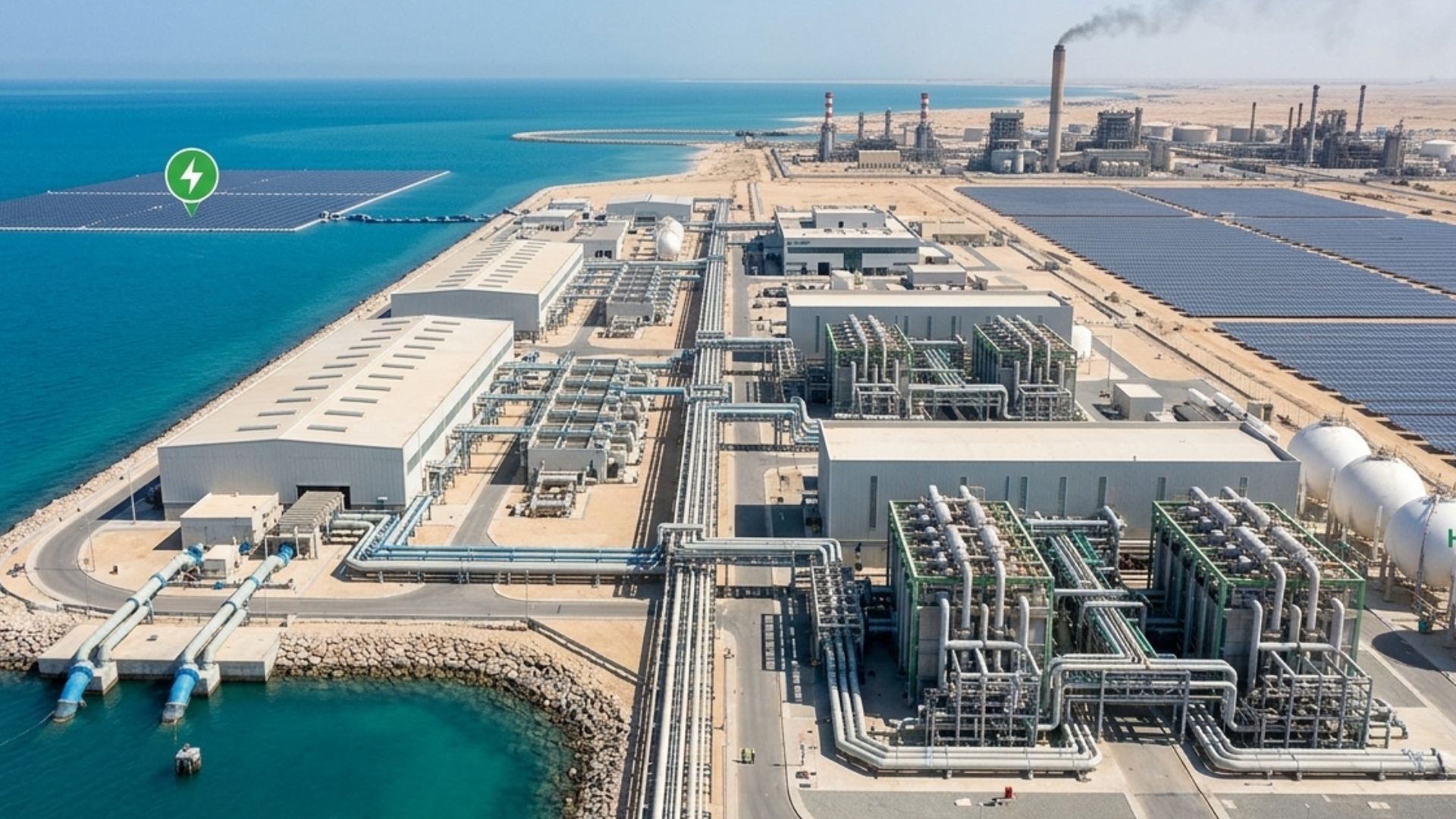
The world has bet on green hydrogen as the fuel of the future, but now faces the side effect: producing 1 kilogram requires about 9 liters of ultrapure water, and the largest projects on the planet are precisely in the driest regions of the Earth, where water is already scarce for people.

Context And Importance Of The Project In The Amazon
The choice to develop this electric vessel by Norte Energia is directly linked to the fact that the world’s largest river basin is located in the Amazon. In this vast region, boats play a crucial role, being the primary means of transport for riverside populations. However, many of these vessels still depend on fossil fuels, such as diesel, which result in the emission of tons of CO₂ and increase financial costs for local communities. ‘By supporting the project, we promote scientific advancement in the region and offer the population efficient alternatives for energy management‘, says Andréia Antloga, Research, Development and Innovation manager at Norte Energia. The inaugural trip of Poraquê took place on the Guamá River, which runs through the UFPA campus, and was attended by professors and students.
Intelligent Multimodal System of The Amazon: Ecological Integration
This electric boat is part of SIMA (Intelligent Multimodal System of the Amazon), which also includes two electric buses operating on the university campus. The combination of these two modes of transport promises to serve 2,000 people daily and aims to reduce 161 tons of CO₂ emissions annually, equivalent to the pollution generated by 30 popular cars in a year. Specifically, the sustainable catamaran will prevent the emission of 100 tons of greenhouse gases per year. The boat is powered by solar photovoltaic energy and incorporates technological advancements such as two 12 KW electric motors each, three sets of 47 kW batteries and 22 photovoltaic panels installed on its roof.
Specifications And Technological Innovation Of The Electric Boat
The vessel measures 12 meters in length, 6 meters in width and 72 centimeters in draft, with an autonomy of 8 hours without needing to recharge. To support this sustainable project, an electric charging station was established at the campus pier, powered by energy from mini plants built by the university. The study for the development of SIMA began in 2019, involving about 30 researchers, professors, and students from UFPA, and is part of a Research, Development, and Innovation (PDI) program of Norte Energia, regulated by the National Electric Energy Agency (ANEEL). The hull design, made of naval aluminum, considered the additional weight of the battery and motor systems for its operation in the Amazon rivers, resulting in a boat with a total weight of 7 tons, one of which is just for batteries.
Contributions And Scientific Challenges Of The Project
The vice-rector of UFPA, Gilmar Pereira da Silva, highlights that besides being a technological achievement, the electric boat represents a laboratory for the university. ‘Our expectation is that this project will stimulate the development of new vehicles and that soon, 10% to 20% of boats in our region will be powered by clean energy’, he states. Professor Emanuel Loureiro, who led the project at UFPA, emphasizes the challenges faced to integrate available technologies in the market that met the needs of weight, autonomy, speed, and transport capacity. The boat also has a command center for managing the energy of the batteries and the photovoltaic system, ensuring efficient power for locomotion.
Inclusion And Accessibility In The Sustainable Catamaran
Poraquê has a capacity to transport 25 people, including 23 passengers and two crew members, and also has space for wheelchair users, with access platforms at the three boarding and disembarking points. The expectation is to serve 1,000 passengers daily, including students, university staff, and users of the institution’s services. The boat would navigate 750 meters of the Guamá River, stopping at the Mirante do Rio building, at the university restaurants, and in the health sector of UFPA. The crossing is expected to last 15 minutes, covering 40 km throughout the day, with an average speed of 13 km/h.
The First Green Corridor In The Amazon
In addition to operating within the UFPA campus, the two electric buses currently transport teachers and students from the capital to the Castanhal campus, contributing to forming the first green corridor in the Amazon. The battery of the electric buses is charged at electric charging stations installed at both campuses. SIMA also includes the Norte Rotas app, allowing users to access real-time information to plan their bus or electric boat trips. Complementing the project, a photovoltaic system was implemented at the Mirante do Rio building, designed to be energy self-sufficient, according to the concept of ‘Zero Energy’ Building.
Source: © pedro.pinheiro@fsb.com.br






Be the first to react!