






 Portuguese
  Spanish


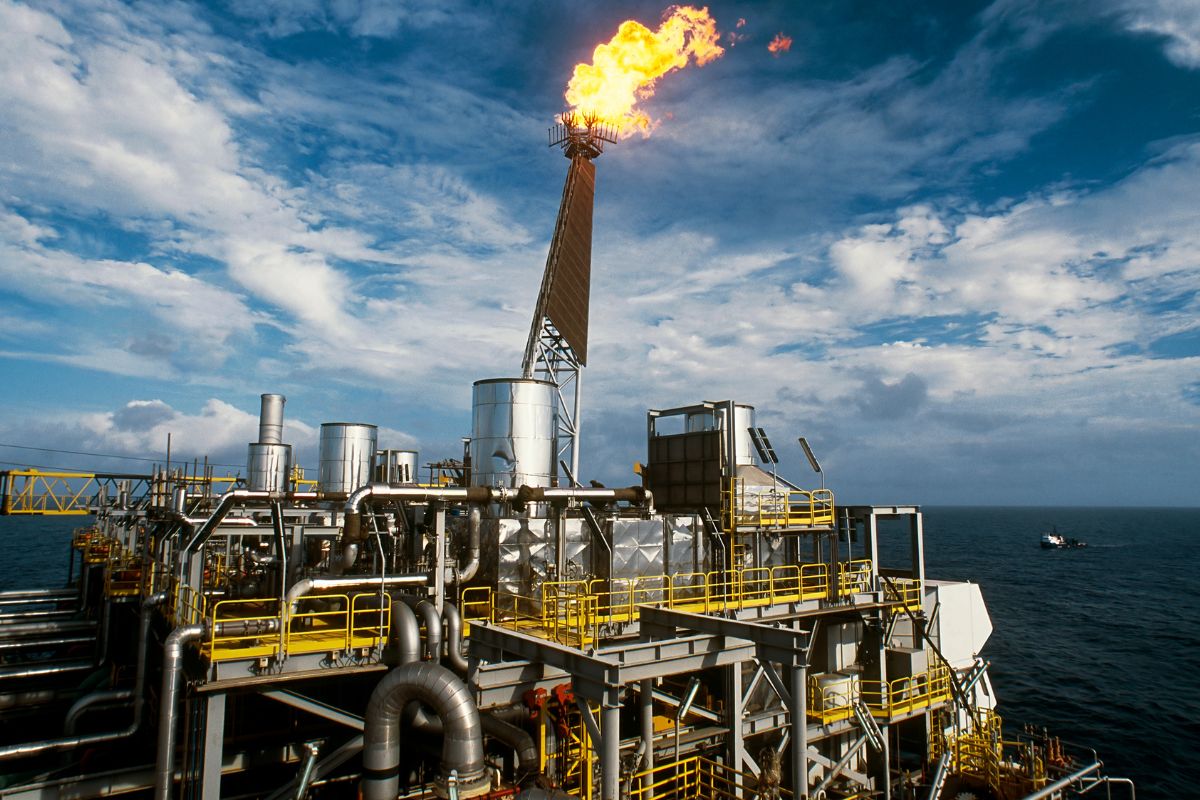

Oil Extracted in Rio de Janeiro Accounts for 83% of National Total
It is no surprise that Rio de Janeiro has a leading position in the national scenario when we think about oil and gas. However, the state made significant advances last year, showing a 13% growth in its oil reserves. This data was obtained by comparing with the year 2021 as reported by the Annual Oil Report.
Thus, Rio de Janeiro accumulates a production that corresponds to 83% of the national total, which is approximately 12 billion barrels. This data was disclosed on the afternoon of last Wednesday (15) by the Federation of Industries of the State of Rio de Janeiro (Firjan).
 Continue reading and discover more interesting data about this expansion of state reserves.
Learn More About This Increase in Oil Reserves with the Video Below
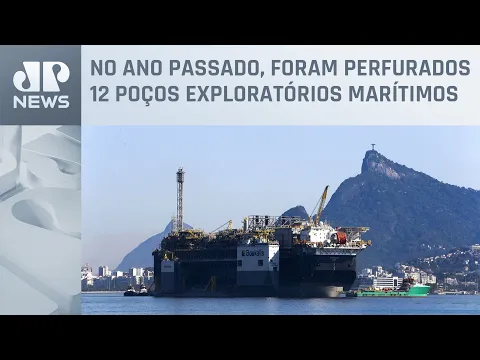

The State of Rio Was Responsible for 95% of New Oil Volumes but Saw a Decrease in Offshore Well Drilling
According to data released by Firjan, the state of Rio was responsible for 95% of new volumes in 2022, having a significant share in the expansion of oil and gas in Brazil. After all, of 17 new exploratory wells in Brazil, 12 were drilled in Rio de Janeiro. However, offshore well drilling experienced significant declines of 22% in the state and 27% in the country in 2022.
-
OPEC+ Boosts Oil Supply by 188,000 Barrels per Day in July 2026, Leading to Price Drop from $112 to $89 per Barrel in Under Two Months

-
TotalEnergies Signs 20-Year Deal to Purchase 2 Million Tons of LNG from Alaska, Boosting Project Viability
-
Turkey Deploys Çağrı Bey Drilling Ship to Explore New Oil Frontier Off Somalia’s Coast
-
Golden Pass LNG Ships First Liquefied Gas Cargo from the U.S., Completing $10 Billion QatarEnergy and ExxonMobil Investment
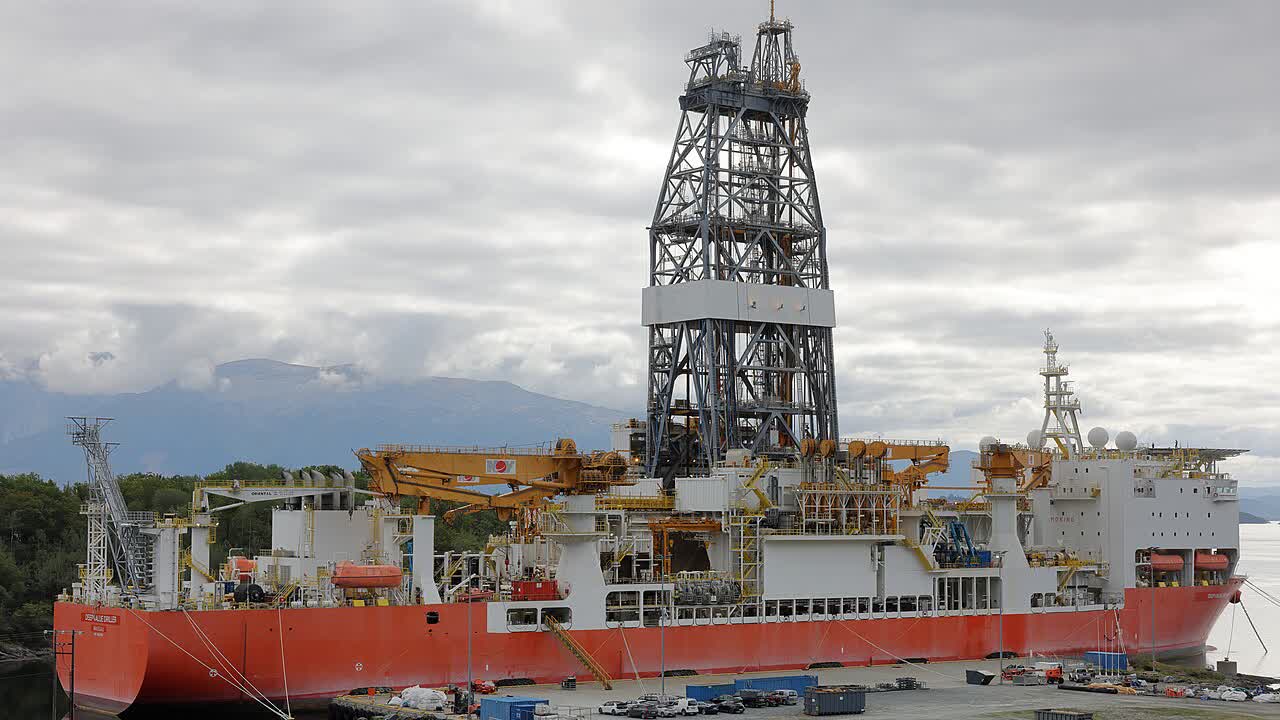

The Campos and Santos Basins, the largest in the country, also saw an increase in well drilling in 2022 compared to 2021. In this sense, the increase was 10% for the Campos Basin and nearly 14% for the Santos Basin.
Rio de Janeiro’s Revenues from Oil and Gas Will Make the State One of the Largest Energy Hubs Nationally
According to comments made by Luiz Césio Caetano, the vice president of Firjan, in an interview with Agência Brasil, Rio de Janeiro has everything to become one of the largest energy hubs in the country. After all, oil acts as the “flagship” and expands the potential for generating new jobs.
Furthermore, the state is heavily investing in diversifying its energy matrix, which contributes to advances in sustainability and energy transition. Thus, Rio de Janeiro is increasingly entering a growing energy market. And of course, Macaé plays a major role in this scenario.
In addition, the revenues generated from oil and gas in 2022 contribute for the state to invest even more in the sector. In this sense, the average price of oil last year exceeded the maximum of US$ 100, something not seen since 2013. However, production reached an incredible level of 2.53 million barrels per day, an increase of 7.5% compared to 2021.
Diesel, Gasoline, and Kerosene Also Saw Production Increases in 2022
The petroleum derivatives also stood out in 2022. After all, diesel production in the state grew by 31% in 2022, and gasoline A by 81%. Moreover, aviation kerosene saw an increase of 62% and liquefied petroleum gas (LPG) by 16%. All of this is a result of investments amounting to R$ 140 million in 2021.
However, due to this high production and the need for more renewable matrices, the state imported biofuels from other states. Thus, Rio de Janeiro managed to maintain appropriate blending ratios.
Finally, it is worth noting that the state is increasingly investing in technology to make oil extraction and derivative production cheaper. The destination is obvious: it won’t be long before Rio de Janeiro becomes one of the largest energy hubs in the country.


