Portuguese
  Spanish



Discover How Rio de Janeiro Becomes the Stage for the Main Global Event in the Liquefied Gas Market, Gathering Leaders and Experts from Around the World.
The Rio de Janeiro is preparing to host one of the most important events in the world when it comes to energy: the Liquid Gas Week, which takes place from September 22 to 26.
In addition, leaders, experts, and authorities from various countries will gather to discuss the pathways and challenges of the liquefied gas market sector, highlighting the relevance of this fuel in daily life and the global economy.
The liquefied gas market sector has a history that dates back to the 19th century, when pioneers conducted the first experiments with gas for lighting and heating in Europe.
-
Petrobras Explores Entry into Corn Ethanol Market, Aiming to Become a Biofuel Giant

-
Brazil’s $8.5 Billion Auction Secures New Power Plants to Prevent Peak Hour Energy Shortages
-
Why Gasoline Prices Remain Stable: How Petrobras’ Subsidies and Pricing Policies Control Fuel Costs in Brazil
-
SpaceX Plans 13 km Pipeline to Reduce Truck Reliance and Speed Up Starship Rocket Launches in the U.S.


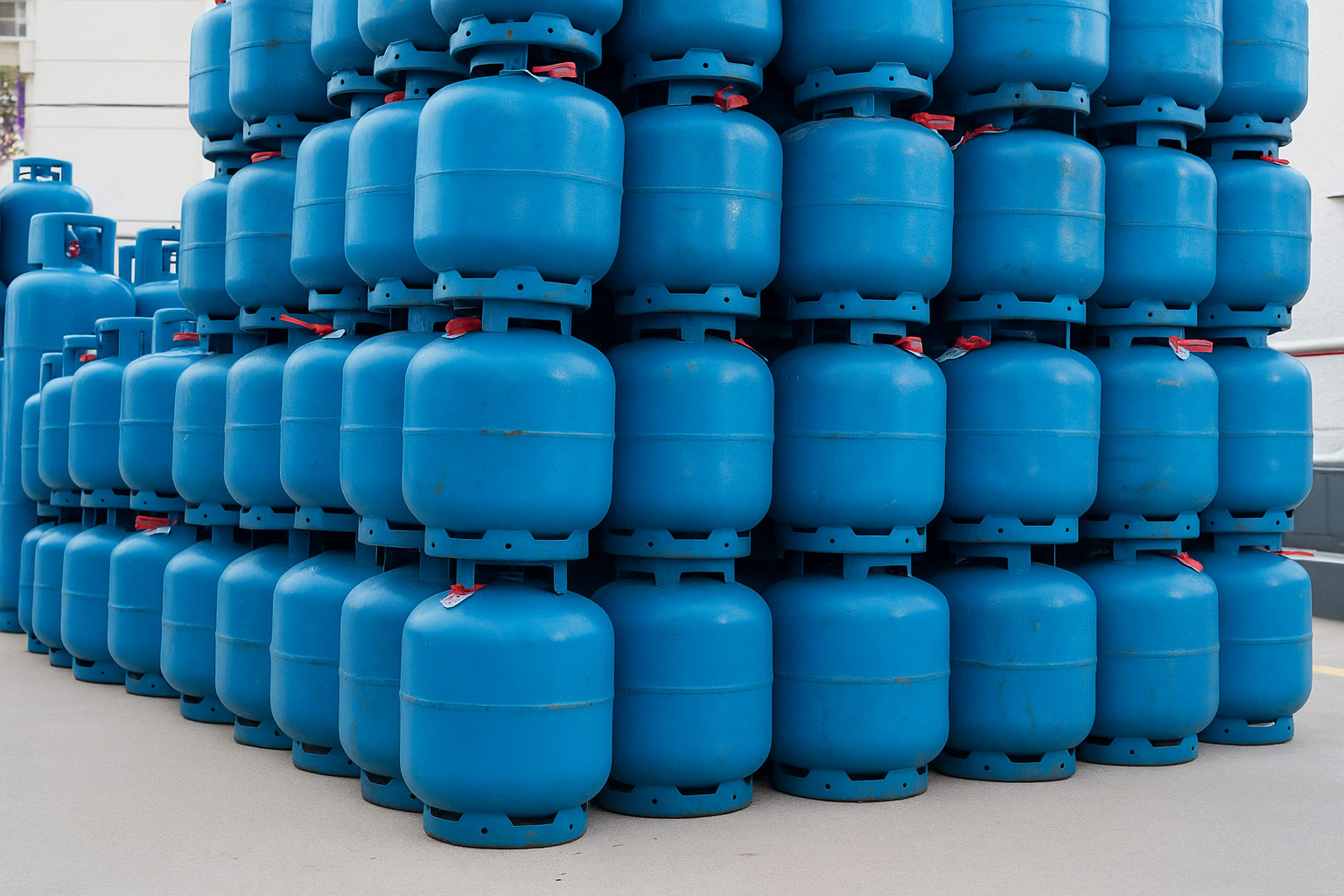
As time went on, LPG (Liquefied Petroleum Gas) began to be used on a large scale for cooking, heating, and powering industries.
At the same time, in Brazil, the consumption of liquefied gas intensified starting in the 20th century, especially with urban expansion and the need for cleaner and more accessible energy sources.
Today, the country ranks among the largest global consumers, being essential for millions of households and businesses.
The Liquid Gas Week stands out as a strategic meeting point for the liquefied gas market sector, bringing together professionals from over 50 countries.
The event allows for discussions on innovation, regulation, energy transition, and sustainability. The program includes plenaries, technical panels, business meetings, and an exhibition featuring product and service launches.
Thus, it offers opportunities for companies and governments to share experiences and find joint solutions to the sector’s challenges.
The Importance of LPG in People’s Lives and in the Economy
The liquefied gas market sector stands out for providing an efficient, clean, and safe fuel.
Therefore, LPG remains one of the most accessible and practical energy sources, especially in urban and rural areas.
In Brazil, the annual per capita consumption reaches nearly 34 kg, and gas has become the main source of energy supply for residential kitchens. This established presence of LPG demonstrates its direct impact on quality of life and the reduction of environmental risks compared to other more polluting fossil fuels.
Historically, the liquefied gas market sector has undergone significant transformations.
During the oil crisis in the 1970s, Brazil sought to diversify its energy sources and strengthen the production and distribution of LPG.
The government implemented public policies aimed at regulation and safety in the sector, ensuring that the fuel reached households reliably.
Consequently, over the years, investments in technology and infrastructure have expanded the capacity for storage, transportation, and marketing of gas, establishing Brazil as a reference in the global market.
The gathering in Rio de Janeiro also reflects the growing concern for sustainability and innovation in the liquefied gas market sector.
Experts will discuss energy transition, the use of biofuels, and the integration of LPG with renewable energy, demonstrating that the sector meets contemporary demands and acts as a key player in transforming the global energy landscape.
Economic and Strategic Impact of the Liquefied Gas Market Sector
The event also strengthens the economic dimension of the liquefied gas market sector.
LPG drives investments, creates jobs, and fosters national and international trade. Companies in the sector take the opportunity to showcase innovations, establish strategic partnerships, and expand their operations, ensuring competitiveness in a globalized market.
Thus, this dynamism highlights how the sector has consolidated over time, maintaining relevance even in the face of crises and changes in the global energy matrix.
The presence of high-level authorities and executives reinforces the importance of the event.
Ministers, mayors, association presidents, and CEOs participate in discussions and lectures, demonstrating that the liquefied gas market sector is not limited to a technical segment, but plays a strategic role in the economy and national and international energy policy.
Therefore, this integration between government and the private sector creates more efficient regulations, stimulates investments, and promotes innovation sustainably.
LPG also acts as an element of social inclusion, ensuring access to a reliable energy source for millions of people living in densely populated urban areas and remote rural regions.
Over time, subsidized gas distribution programs have helped reduce inequalities and improve quality of life, making the liquefied gas market sector an example of how energy and social development can go hand in hand.
The development of the liquefied gas market sector directly impacts small businesses and local communities.
Restaurants, schools, and small industries rely on LPG to operate efficiently and safely.
In this way, the presence of this reliable fuel allows essential activities to function even in areas with electrical infrastructure limitations, reinforcing its strategic role in the regional economy.
Sustainability and the Future of the Liquefied Gas Sector
With the growing global demand for clean and safe energy, the liquefied gas market sector presents itself as an efficient alternative to more polluting fuels.
LPG helps reduce greenhouse gas emissions and offers energy solutions that balance practicality, cost, and environmental impact.
Moreover, the adoption of innovative technologies, such as intelligent distribution systems and consumption monitoring, reinforces the sector’s commitment to efficiency and sustainability.
By hosting the Liquid Gas Week, Rio de Janeiro establishes itself as a reference center for the liquefied gas market sector.
The event highlights Brazil’s role in the global scenario and encourages the exchange of experiences, the strengthening of business networks, and the development of modern energy solutions.
At the same time, interaction between companies, governments, and experts fosters learning and collaboration, essential for addressing current and future energy challenges.
The history of LPG, from its origins in the 19th century to its strategic importance in the 21st century, shows that the liquefied gas market sector goes beyond an energy segment.
Thus, it acts as a driver of innovation, inclusion, and sustainability, capable of transforming people’s lives and positively impacting the global economy.
Events like the Liquid Gas Week consolidate this trajectory, bringing together industry leaders to chart the next steps toward a safer and more efficient energy future.
Therefore, the holding of the Liquid Gas Week in Rio de Janeiro emphasizes the relevance of the liquefied gas market sector as a transformative force in society.