Portuguese
  Spanish


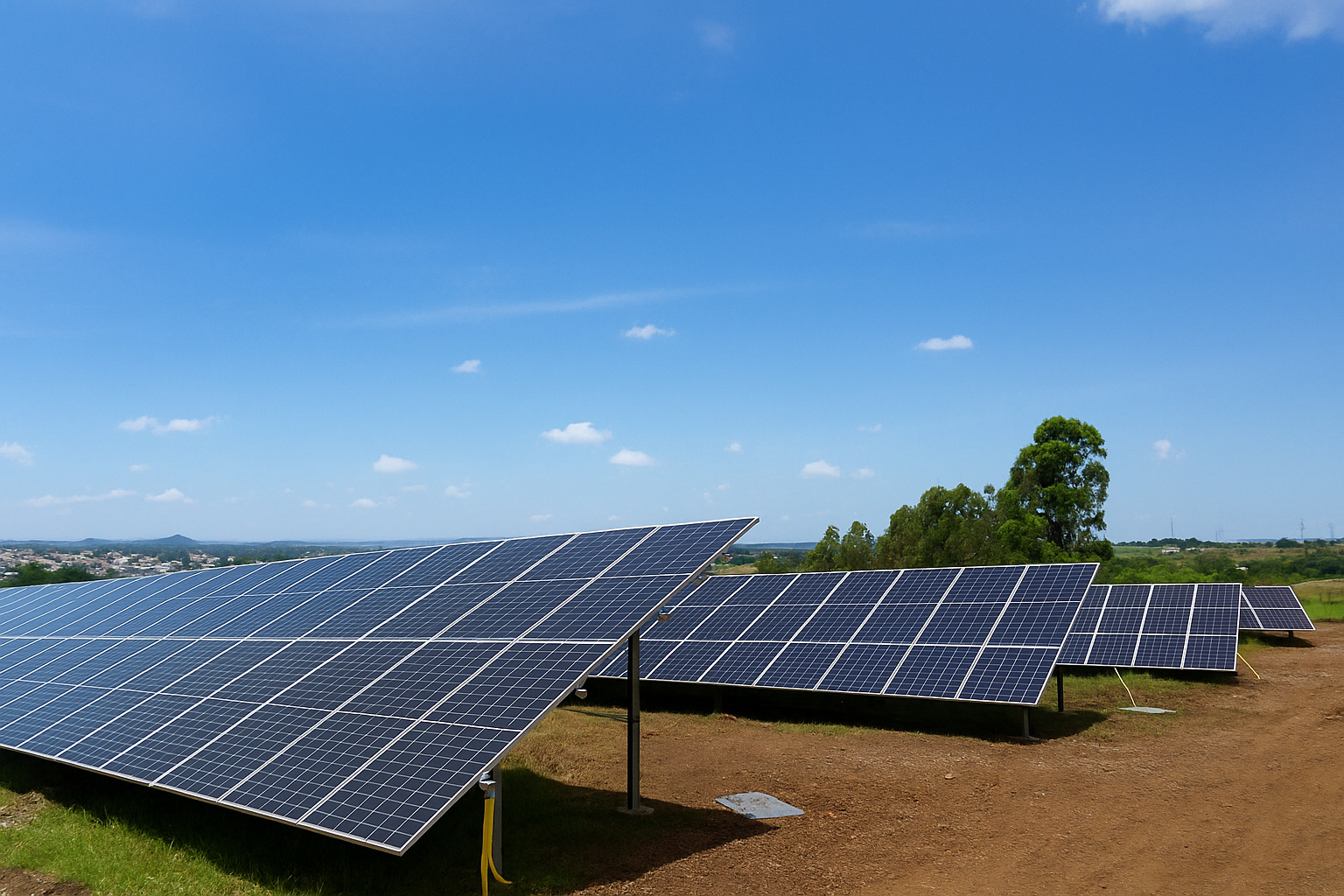


Discover How Santa Catarina Shone in the Search for Solar Energy in the Last Quarter, Reflecting the Growing Interest in Sustainable and Economic Sources Across Brazil.
The interest in solar energy in the last quarter has grown significantly throughout Brazil. Furthermore, this growth reflects a long-term trend that intensifies with the awareness of sustainability and energy savings. Among the states that stand out in this scenario, Santa Catarina leads the way, reinforcing the prominence of the South region in the search for renewable and efficient alternatives.
In recent months, the increase in demand for solar energy is directly linked to the dynamics of electricity tariffs and the cost of living. For example, since June, the National Electric Energy Agency (Aneel) activated the red flag, increasing electricity costs for consumers. Consequently, this measure, adopted during periods of low water inflow and high demand for thermal power plants, highlighted the urgency for more accessible energy alternatives.
Historically, the tariff flag system emerged in 2015 to inform consumers about the variable cost of electricity production in the country. Thus, green, yellow, and red levels were established, with distinct thresholds. Additionally, the impact of the red flag, combined with the growing environmental concern, encouraged Brazilians to seek more sustainable solutions.
-
World’s Largest Engie Solar Plant in Brazil Highlights Billion-Dollar Energy Waste Issue: Company Considers Batteries and Bitcoin Mining to Avoid Wasting Production

-
Over 60 Tractors Take to the Streets in Lopera as Solar Parks Compete with Olive Groves, Affecting 13,000 to 100,000 Trees According to Conflicting Reports

-
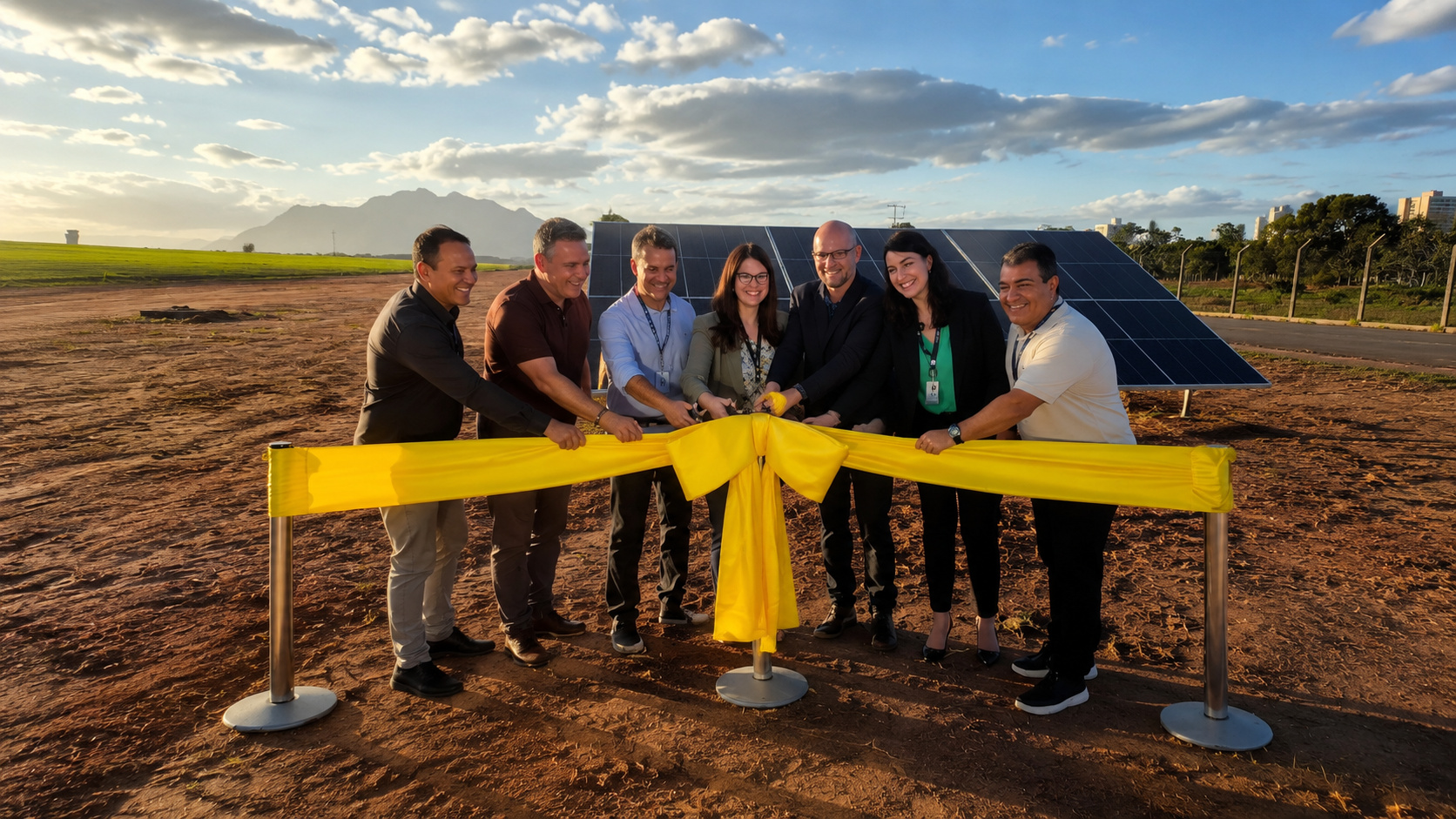
Brazil’s Vitória Airport to Launch Solar Plant Covering Area of 10 Soccer Fields, Boosting Clean Energy and Cutting Costs
-
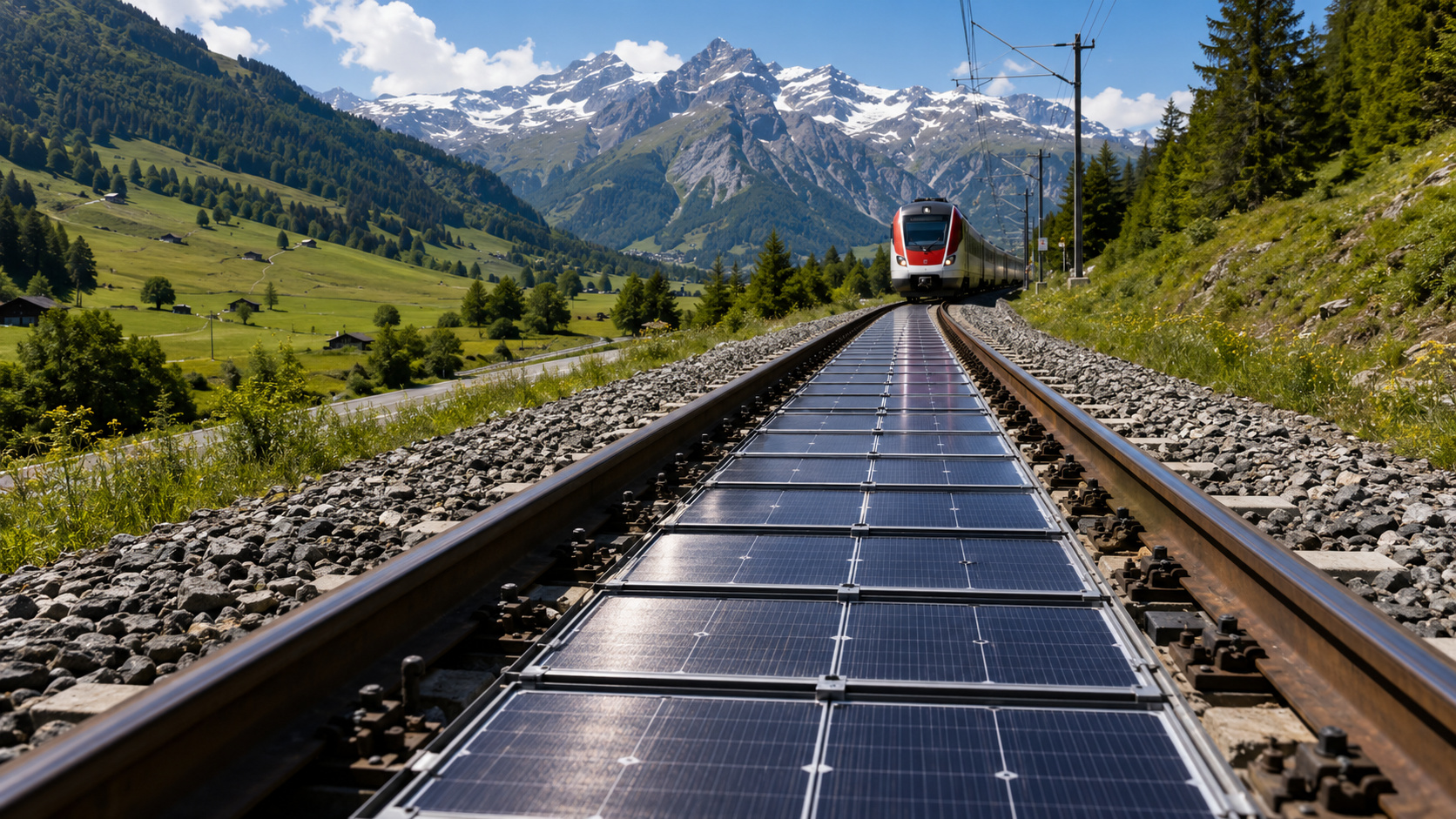
Switzerland Converts Train Tracks into Solar Power Plants with Removable Panels to Generate Energy Without Using Additional Land


Therefore, in this context, solar energy has become a strategic option.
In Santa Catarina, this trend became clear: online searches for terms like “solar panels” grew 22% in the last three months, demonstrating the real interest of citizens in investing in clean energy sources. This behavior is part of a national movement where consumers not only seek economic alternatives but also value carbon emission reduction and environmental preservation.
National Interest Expansion and Price Reduction
Descarbonize Soluções, a company specialized in solar energy and sustainability, found that the search for information about photovoltaic energy spreads across the Brazilian territory. Thus, in the national ranking, after Santa Catarina, states from the Midwest, such as Goiás and Mato Grosso do Sul, are followed by Northeast states like Rio Grande do Norte and Pernambuco.
Additionally, the strong presence of the South region in various categories shows that consumers in the region are attentive to the opportunities for adopting renewable sources.
Another factor driving the demand is the reduction in solar panel prices. According to data from ABINEE, the export prices of photovoltaic panels dropped approximately 60% in 2023 and 2024, directly reflecting in the final cost for consumers. Historically, solar energy in Brazil began to gain traction in the early 2000s, with incentive policies for distributed generation and technological innovation.
Since then, the trend has remained of falling costs and rising efficiency of systems. Therefore, solar energy has become a viable alternative for homes, businesses, and public sectors.
The search behavior for terms like “solar panel price” also followed this evolution, registering an increase of 21% nationwide during the same period. This data demonstrates not only theoretical interest but also a concrete intention to invest, showing that solar energy in the last quarter has consolidated as a priority for families and businesses looking to reduce costs and adopt sustainable practices.
Cultural and Social Aspects of Solar Energy Growth
The growth of solar energy also reflects cultural and social changes. The Brazilian population increasingly shows concern for environmental issues, valuing energy solutions that reduce the environmental impact. Historically, Brazil has always had a diversified energy matrix, based on hydraulic sources, thermal plants, and, more recently, renewable sources such as solar and wind.
Therefore, the search for solar energy shows how society adapts its habits and choices in response to climatic and economic challenges.
The survey by Descarbonize Soluções also identified the states that sought solar panels the most in the last three months. In the ranking, Rio Grande do Sul takes the first position, followed by Rondônia and Mato Grosso. While Tocantins and Santa Catarina complete the top five.
Moreover, the consistent presence of the South region in the national scenario confirms its leadership in adopting sustainable technologies and in raising awareness about renewable energy.
According to Milena Andrade, marketing manager at Descarbonize Soluções, “the pressure from tariff flags, combined with the reduction in solar panel prices. Has led consumers to seek other energy sources. Solar energy is not just an economic alternative, but essential for a more sustainable future.”
Therefore, the statement emphasizes that the adoption of solar energy goes beyond a short-term trend. Integrating into a movement that promotes energy efficiency and environmental preservation.
Additionally, the impact of solar energy appears in the educational sector. Schools and universities implementing solar panels reduce electricity costs and teach students about sustainability and technological innovation.
In this way, this learning creates a generation more aware of the advantages and importance of adopting renewable sources.
Future Perspectives and Historical Relevance
The study analyzed the search behavior proportional to the population of each state, offering a more realistic perspective on the interest in solar energy. Thus, it is possible to understand not only the volume of searches. But also the density of interest in each region, adjusting the data to reflect the demographic reality.
Consequently, the result presents a detailed panorama of the growing relevance of solar energy in Brazilian daily life.
Historically, Brazil has a high solar potential, with regions that receive a large amount of radiation throughout the year. States like Santa Catarina and Rio Grande do Sul, although not in the sunniest region of the country, show great interest due to environmental awareness, economic incentives, and investment capacity.
Therefore, solar energy in the last quarter reflects structural, economic, and cultural factors that consolidate over time.
The recent scenario also suggests that the interest in solar energy is not limited to residences but extends to businesses and public agencies. They seek to reduce operational costs and invest in sustainable solutions.
This movement reinforces the historical trend of diversifying the Brazilian energy matrix and the gradual adoption of renewable technologies. Which contribute to the energy security and sustainable development of the country.