





 Portuguese
  English
  Spanish
  5 min of reading
  0 comments


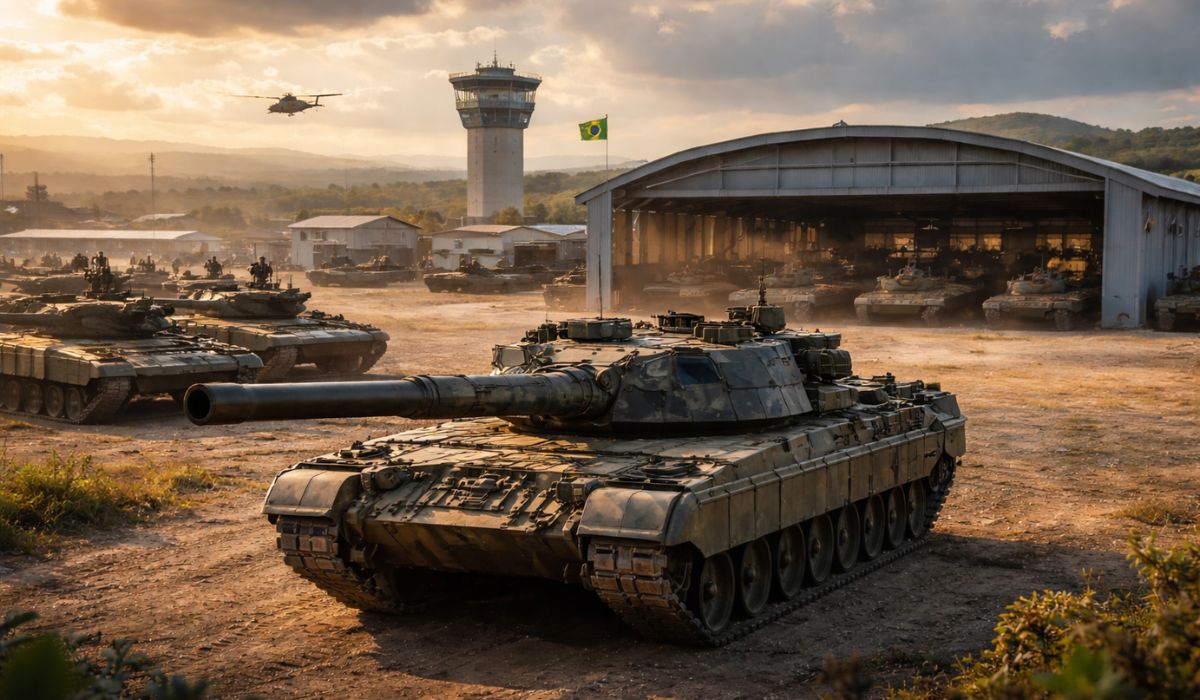
Among instruction, maintenance, and military preparation centers, Santa Maria concentrates structures that help explain the strategic weight of the municipality in the organization of the armored troops of the Brazilian Army.
Santa Maria, in the center of Rio Grande do Sul, has established itself as the main hub for armored vehicles of the Brazilian Army by bringing together, in the same space, military command, instruction centers, training facilities, and maintenance capabilities.
This set of resources has led the municipality to occupy a reference position in the training of mechanized and armored troops, in addition to concentrating a significant part of the structure for preparing the land force.
The city houses the command of the 3rd Army Division, the Armored Instruction Center, and the Southern Training Center, as well as other supporting military organizations.
-
Almost no ship sails directly between South America and Australia, and the reason is a combination of the vast distance, winds that circle the planet nonstop, and the absence of ports along the way, leaving the South Pacific as a water desert.

-
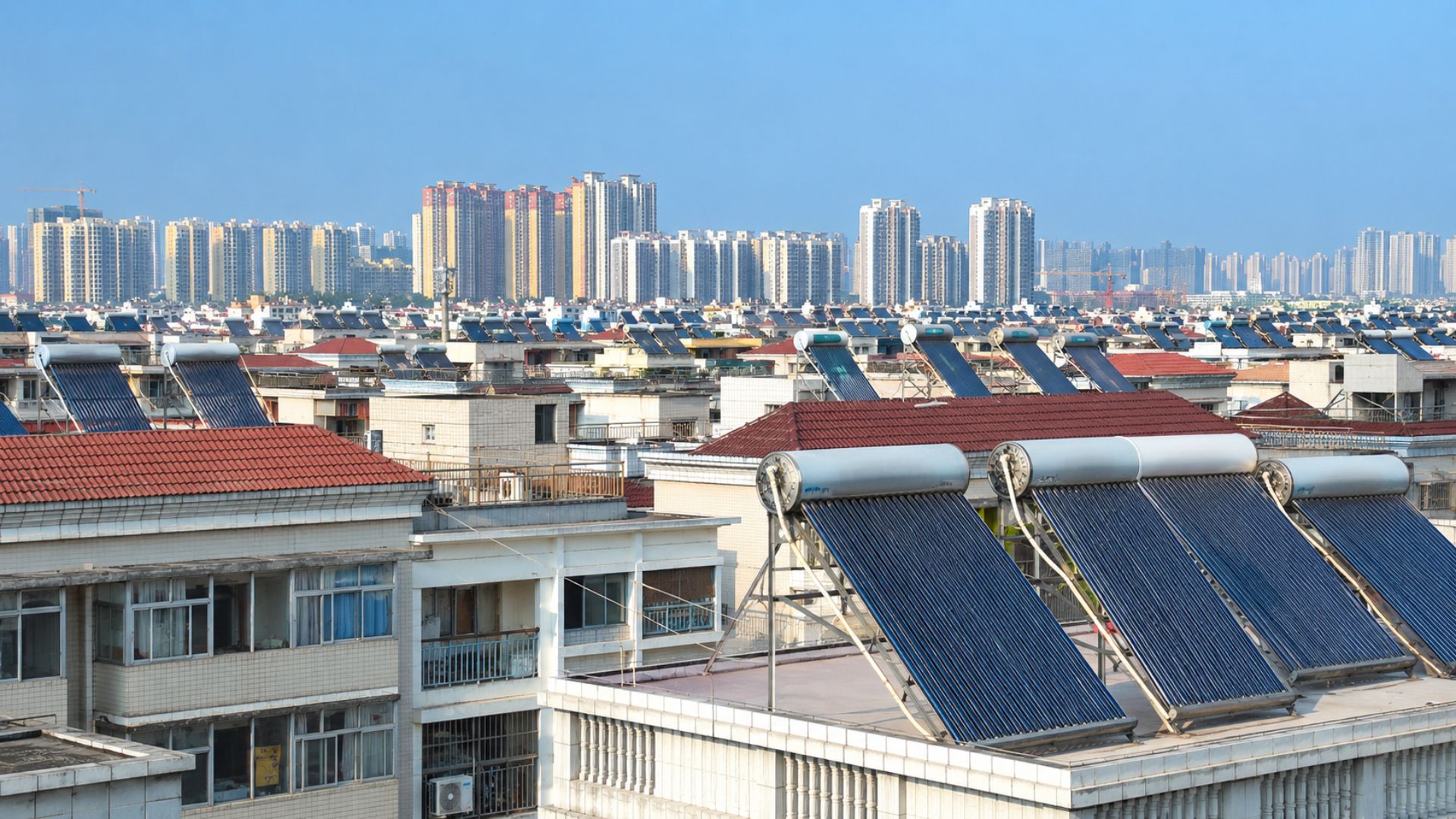
More than 85 million homes in China heat water for free with vacuum glass tubes invented at a Chinese university, a cheap technology with no moving parts that faces certification rules and codes in the United States, making installation too expensive.
-
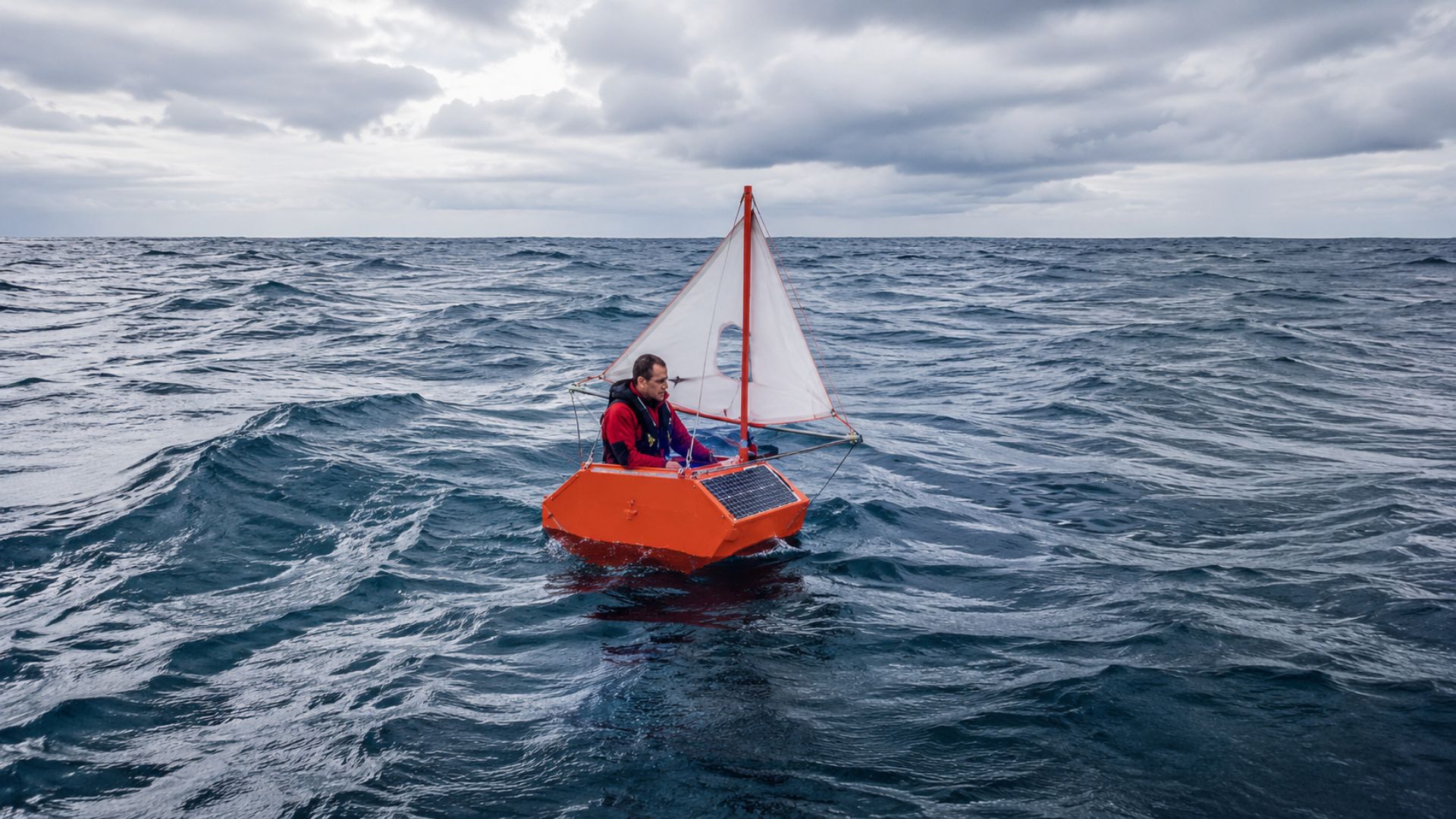
In a boat just 1.19 meters long, smaller than many kayaks, Briton Andrew Bedwell wants to cross nearly 3,000 kilometers of the North Atlantic alone and spend more than two months without being able to lie down or stand up, all to break a record and honor cancer victims.
-
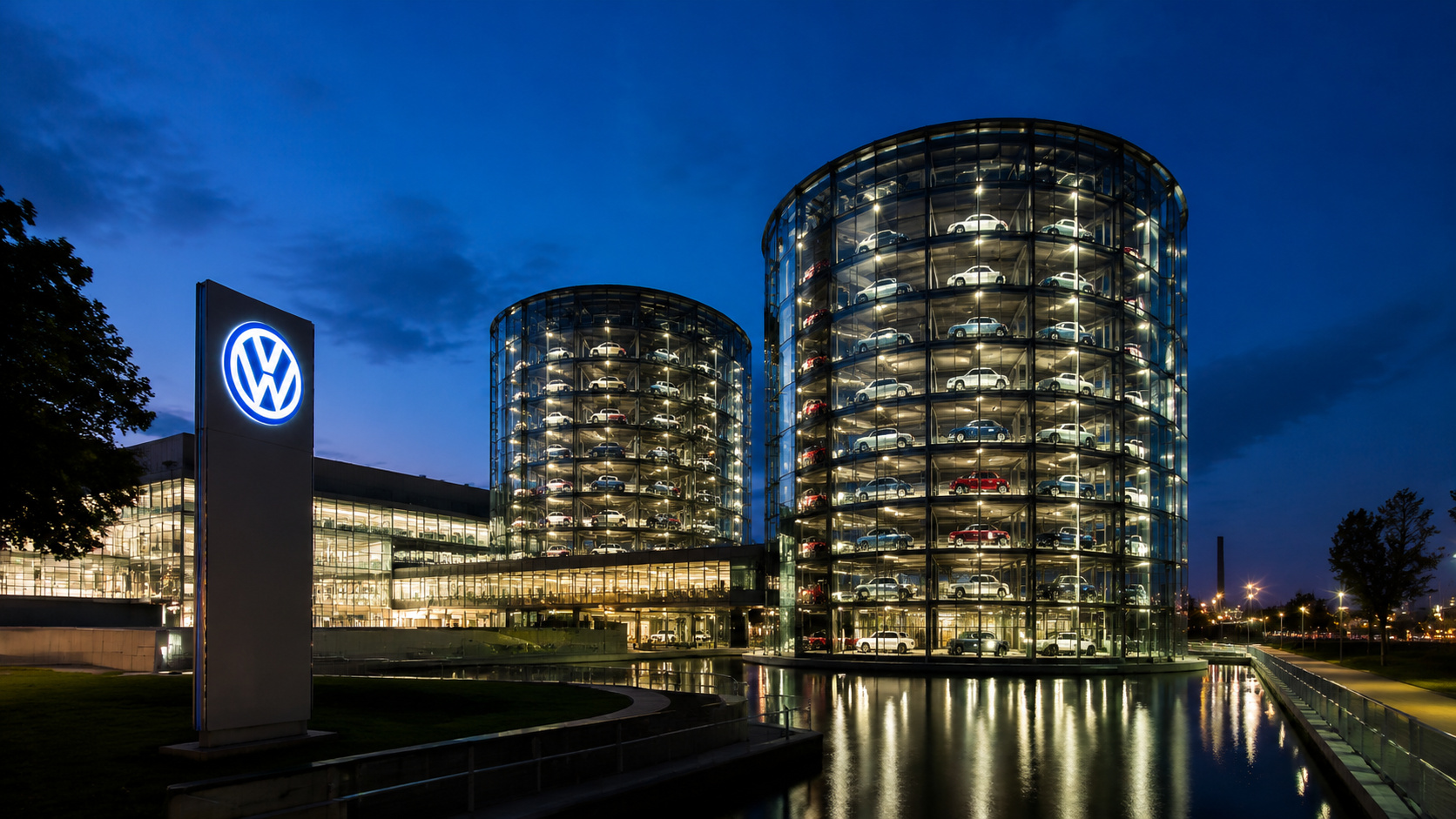
While most dealerships in Brazil take days to deliver cars, in Germany two 48-meter glass towers hold 800 vehicles and release each model via automatic elevators in a few seconds.


In practice, this concentration involves not only the presence of heavy vehicles but also the coordination between teaching, doctrine, simulation, logistics, and maintenance.
Santa Maria and the concentration of armored vehicles in the Army
The centrality of Santa Maria has been built over decades.
In 2004, during the restructuring of the Army, the Armored Instruction Center was transferred to the city, reinforcing a dynamic that already included the presence of the 6th Armored Infantry Brigade and the 3rd Army Division.
As a result, the municipality began to concentrate not only armored means but also the training of military personnel focused on this type of operation.
The location also helps explain this role.
Studies and publications on the organization of armored forces indicate that Rio Grande do Sul has more suitable conditions for the deployment of heavy armored vehicles than jungle areas or regions with more restrictive terrain.
In Santa Maria, this factor is complemented by its strategic position within the state and the existence of areas and training fields used in military training.
In an official publication, the Ministry of Defense has already highlighted the military structure installed in the region and associated Santa Maria with the preparation of national defense.
The municipality has also begun to be mentioned in documents and reports about the sector as a relevant hub for activities related to the training and support of armored troops.
Armored Instruction Center and troop training
The Armored Instruction Center, located in Santa Maria, is today the main reference of the Army for the specialization of military personnel in the use of armored and mechanized vehicles.
In an institutional news release, the force reported that the center conducts more than twenty courses and training sessions focused on the operation, maintenance, and tactical use of these means.
The unit’s activities go beyond initial teaching.
The CI Bld prepares military personnel to operate vehicles, perform command functions in armored and mechanized units, and absorb capabilities incorporated by the land force.
When the first Centauro armored vehicles arrived at the 6th Armored Infantry Brigade in Santa Maria, the Army stated that the presence of the CI Bld and the Southern Training Center favors the incorporation of new means into the operational structure.
In this context, Santa Maria serves as a space where doctrine is taught, applied, and updated.
The preparation involves vehicle operation, weapon handling, coordination among crew members, communication with other units, and decision-making in a training environment.
Part of this process begins before live fire, using simulators.
Military simulation and technical preparation in Santa Maria
The Southern Training Center occupies an important position in this stage.
An academic study produced within the Army on the Fire Support Simulation System of CA-Sul indicates that the simulator was activated in 2016 for the training of fire support for armored and mechanized troops, amid the search for greater efficiency in force preparation.
The available data indicate the reach of this tool.
According to the research, only in the heavy mortar platoon exercises conducted between 2018 and 2020, the system simulated 17,692 shots, equivalent to R$ 80.26 million in ammunition.
Considering the implementation and operation costs evaluated in the study, the net savings indicated were R$ 47.37 million during the period.
In addition to cost reduction, simulation allows for the repetition of procedures, correction of failures, and subjecting crews to complex situations before live ammunition activities.
In the field phase, factors such as visibility, terrain, weather, reaction time, and coordination among different weapons come into play.
Therefore, according to military documents and studies, technical training depends on the integration between virtual and practical stages.
Maintenance of armored vehicles and support structure
Armored vehicles require more than trained crews.
The operation of these means depends on continuous maintenance, parts replacement, technical support, and recovery capability.
At this point, Santa Maria has increased its relevance in recent years.
On March 13, the Army delivered the first Leopard 1A5 vehicles revitalized by the Regional Maintenance Park of the 3rd Military Region in the city.
The vehicles were allocated to the Armored Instruction Center and the 1st Tank Battalion.
According to official information, the plan is to revitalize 52 units in 10 years, extending the fleet’s lifespan by another 15 years.
This maintenance activity is complemented by an infrastructure that has already been highlighted by military authorities and the Ministry of Defense.
During official visits to the garrison, the Army presented armored maintenance workshops and related the presence of these structures to the technical support necessary for the operation of mechanized means.
At the same time, the city provides an environment that favors this type of activity, with a historical presence of military organizations and companies linked to the sector.
This arrangement helps concentrate technical knowledge and reduce resource dispersion, a relevant aspect in the case of high-complexity systems with high operational costs.
The history of armored vehicles and the modernization of cavalry
The symbolic importance of Santa Maria is also linked to the trajectory of modernization of the Brazilian cavalry.
Throughout the 20th century, armored vehicles began to occupy an increasing space in the structure of the land force, gradually replacing the model centered on mounted troops.
The historical records of the Army indicate that the Renault FT-17 was the first armored vehicle adopted by the force in 1920.
This milestone appears, in military documents, as the starting point of Brazil’s trajectory in the use of this type of equipment.
Doctrinal and historical texts of the Army also mention Marshal José Pessoa Cavalcanti de Albuquerque as an important figure in this process, after his contact with tanks in France and his advocacy for the adoption of armored vehicles by Brazil.
This reference is used, in the military context, to explain the formation of armored doctrine in the country.
Today, Santa Maria gathers a significant part of this historical and operational structure.
In the municipality, there is a concentration of specialized education, training in simulators, incorporation of new means, revitalization of combat vehicles, and support infrastructure related to these activities.
This set of resources helps explain why the city occupies a central place in the organization of the Brazilian armored force.






-

-

2 people reacted to this.