Portuguese
  Spanish


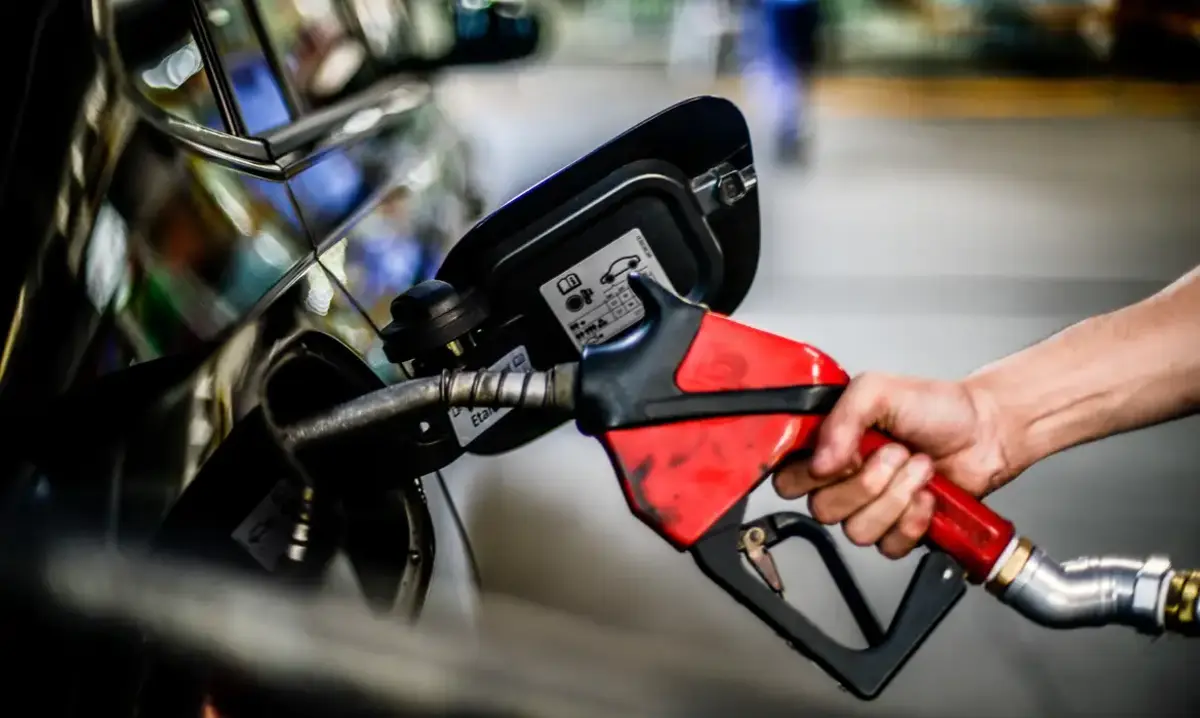

Keeping Constant Speed And Adopting Small Care In The Car Can Significantly Reduce Fuel Consumption During Trips, Helping To Save Even With High Gasoline Prices
If you are going to travel and are already worried about the price of gasoline, the good news is that there is an ideal speed to save fuel during the journey. According to the General Traffic Directorate (DGT) of Spain, the ideal speed is 90 km/h on highways.
According to the DGT, if the driver opts for 120 km/h, fuel consumption can increase by about 30%. The explanation lies in the direct relationship between engine RPM and gasoline consumption. The higher the RPM, the more fuel is burned.
The portal Motor1, reported by ND+, highlights that the most important factor for saving is to maintain a constant speed.
-
Sales of Brazil’s Cheapest Electric Car Halted Before First Deliveries: E-Motors Suspends Emova Easy Due to Import Tax Increase and Rising Freight Costs

-
Nissan Discontinues Qashqai SUV Amid Cost-Cutting, Chinese Competition, and Product Line Review

-
BYD Patents Revolutionary System Using Computer Vision to Detect Animals Under Cars Before Starting, Preventing Tragedies

-
Study Reveals Why Cars Are More Expensive to Produce and Buy in Brazil Compared to Mexico, Highlighting Taxes, Logistics, and Industrial Costs as Key Factors.




Accelerating and braking frequently makes the engine work more, increasing consumption. Keeping the speed between 90 km/h and 100 km/h keeps the engine RPM between 2,000 and 3,000 revolutions per minute (RPM), favoring efficiency.
Other Important Tips
In addition to speed, other tips can help save fuel. One of them is to drive with the windows closed. This reduces aerodynamic drag and the vehicle consumes less energy. Even with the air conditioning on, the usage will be lower than driving with the windows open at high speeds.
Another important guideline is to keep the car’s maintenance up to date. Regularly changing the oil, checking the cooling system, and inflating the tires are practices that ensure better performance and lower consumption.
Before starting the journey, it is advisable to wait 15 seconds before starting the engine, without accelerating. Avoiding sudden accelerations is also essential to saving gasoline.
With small changes in habits, it is possible to relieve a bit of the impact of fuel prices on your budget during trips.
With information from Diário do Comércio.