Portuguese
  Spanish




Second Study of EPE – Energy Research Company, Espírito Santo May Be the Destination of Investments in Small Refineries
According to the conclusion of a study by EPE – Energy Research Company, Espírito Santo may become a destination for investments in small refinery projects, as it can provide some solutions for entrepreneurs. The study took into account several variables to determine the economic-financial viability of small refineries in the State. In addition to tax issues, the survey considered the type of oil to be processed (marine or terrestrial) and the model of the refinery under construction.
See Other News of the Day:
- Siemens Energy and Bentley Systems Develop Project to Reduce Operational Expenses Associated with the Offshore Oil and Gas Industry
- Ceará Expects to Produce Over 5 GW of Offshore Wind Energy in the Next Five Years Reinforcing Its Role as an Important Producer and Supplier of Wind Turbines
- Raízen, Brazil’s Giant Ethanol Producer, Opens Positions for Candidates Without Experience in Search of Their First Job in Its Trainee and Internship Program 2021
The result obtained by the researchers indicated that the supply conditions of raw materials have been shown to be “related to the improvement of the feasibility of the enterprises.” This is because the discount on the purchase of onshore oil is a decisive factor for the project’s enhancement compared to the installation using only offshore oil.
The detailed study states that “Thus, the simulations carried out considering a processing of 50% terrestrial oil and 50% marine oil obtained higher return rates than the processing of 100% offshore oil. This occurs, in part, due to the price differential of inputs due to a lower appreciation of terrestrial oil compared to marine oil.”
-
The first large-scale ethanol-powered thermoelectric plant is born in Pernambuco, surprising the energy sector and potentially opening a new phase for biofuels in Brazil.

-
Acelen advances with megabiorefinery in Bahia with a R$ 503 million investment released by BNDES and boosts the production of sustainable fuels with advanced technology capable of transforming vegetable oil and waste into green diesel and low-emission aviation fuel.

-
Petrobras announces RNEST’s historic milestone in April after the refinery reached record diesel production and strengthened the national fuel supply.
-
Petrobras Expands Refining in Brazil, Increases Production of Diesel S-10 and Gasoline, Enhances Operational Efficiency, and Reduces Import Dependence Between 2023 and 2025
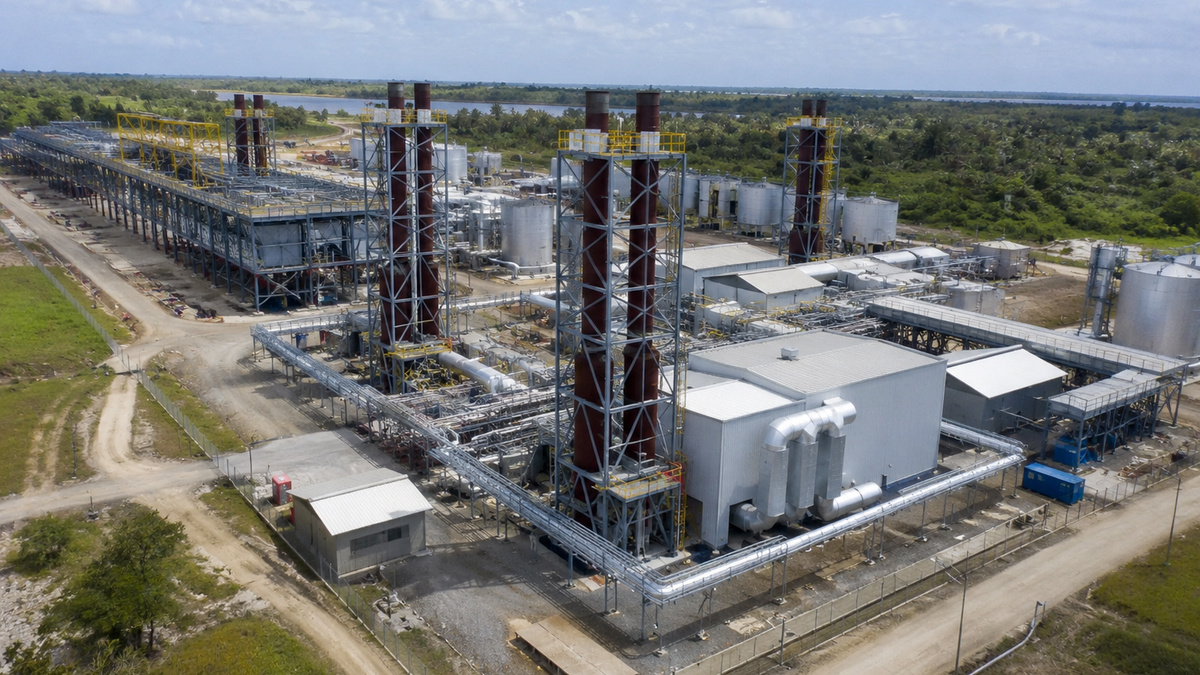
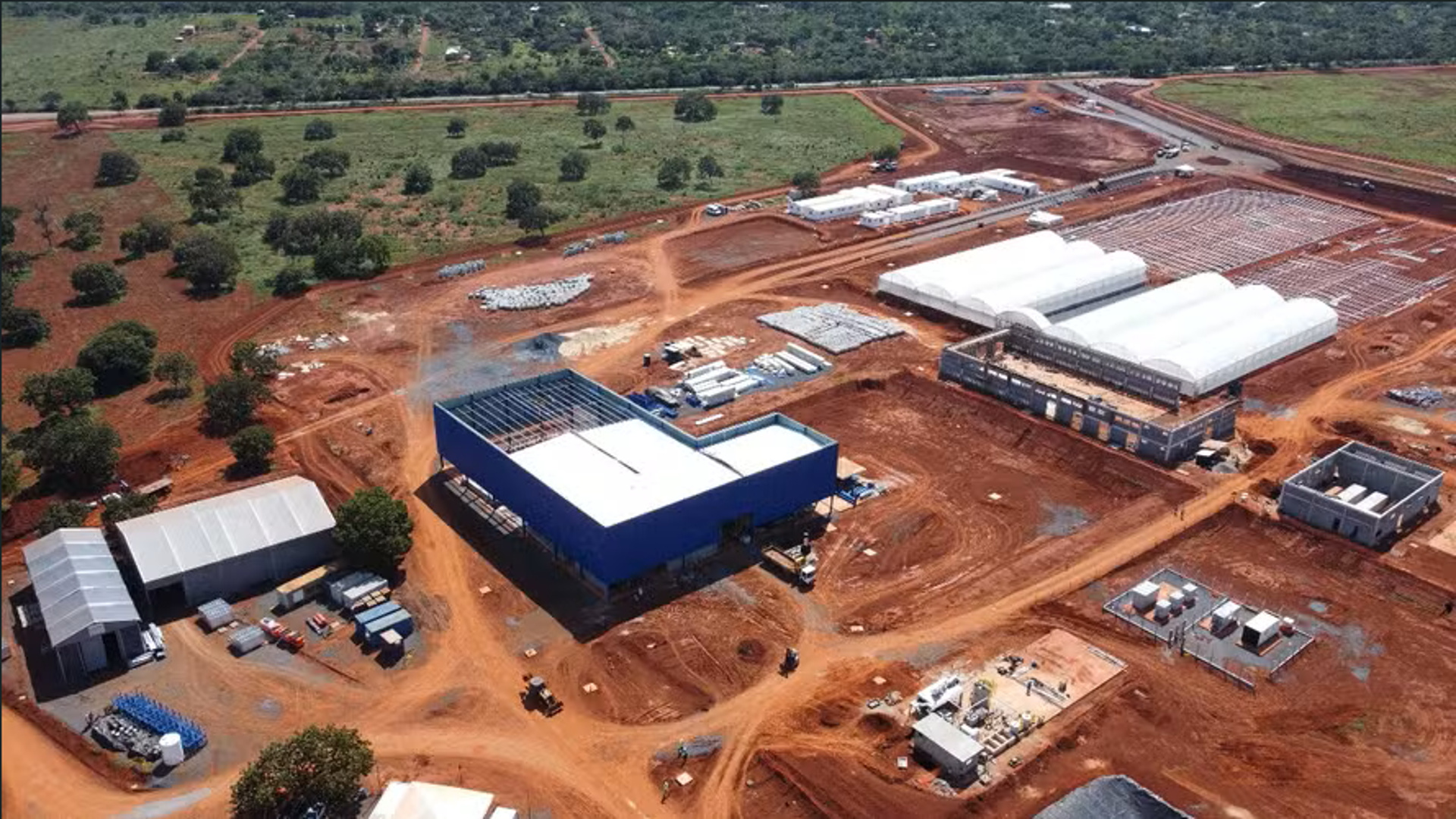


EPE’s research pointed out that projects with an internal rate of return higher than the minimum attractiveness rate (TMA) tend to be more interesting to investors. The study shows that “When evaluating the achievement of the Minimum Attractiveness Rate (TMA), set at 8%, only the Convergence trajectory, with a refining scheme that includes FCC (Cracking), with mixed processing (50% terrestrial/50% marine) and application of federal and state benefits presented an IRR higher than the TMA, corresponding to a value of 9%.”
EPE also noted that the study did not consider other issues, such as risk mitigation options for the project, such as previous investment contracts, and specific incentives for processing oil from terrestrial sedimentary basins in refineries.