Portuguese
  Spanish




Water Security and Groundwater Monitoring Were Topics Discussed at a Workshop in Ceará with Researchers from SGB, Bringing Advances in Water Management and Sustainability
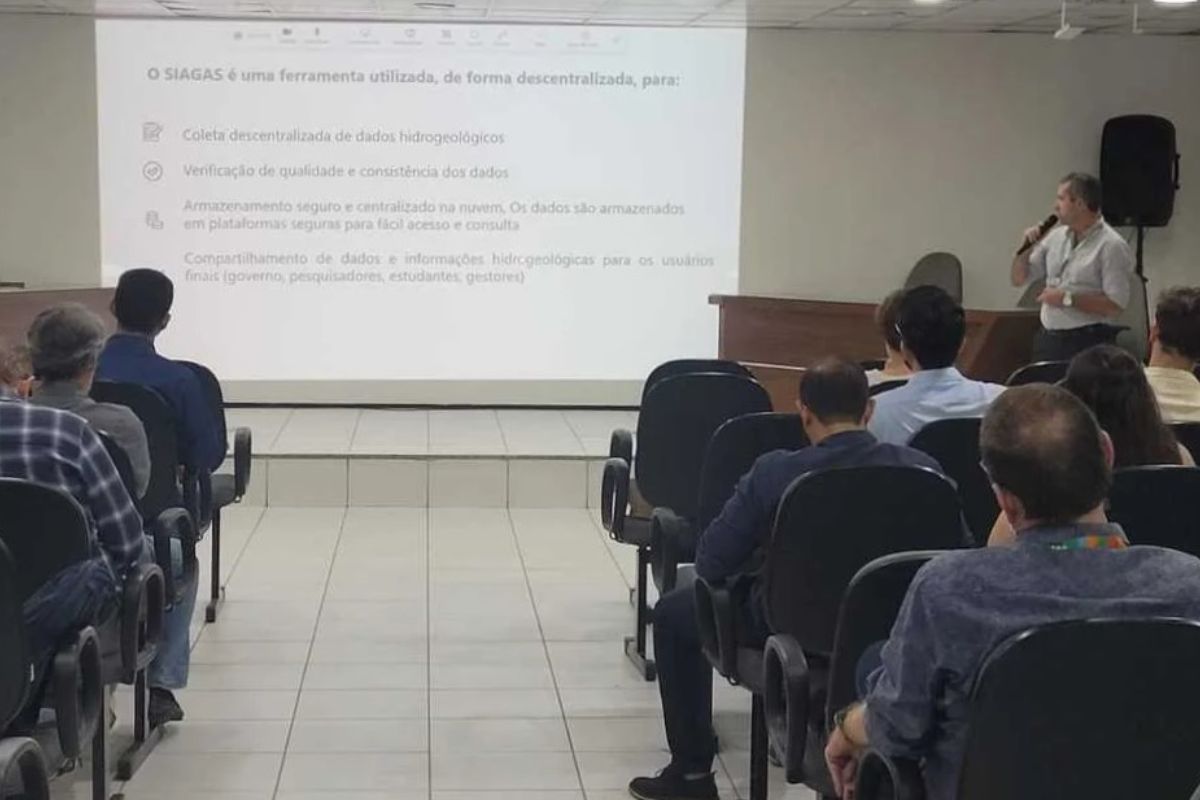
Water security and groundwater monitoring were the main topics of a meeting that drew attention in Fortaleza, according to an article published.
On September 17 and 18, researchers, managers, and students gathered for a workshop that presented innovative solutions to address the challenges of water access.
The meeting was marked by discussions on how science, combined with technology, can help manage water resources, which are essential for people’s lives and the economy.
-
Green Roofs on Homes Gain Popularity for Reducing Heat, Noise, and Rain Impact in Brazil

-
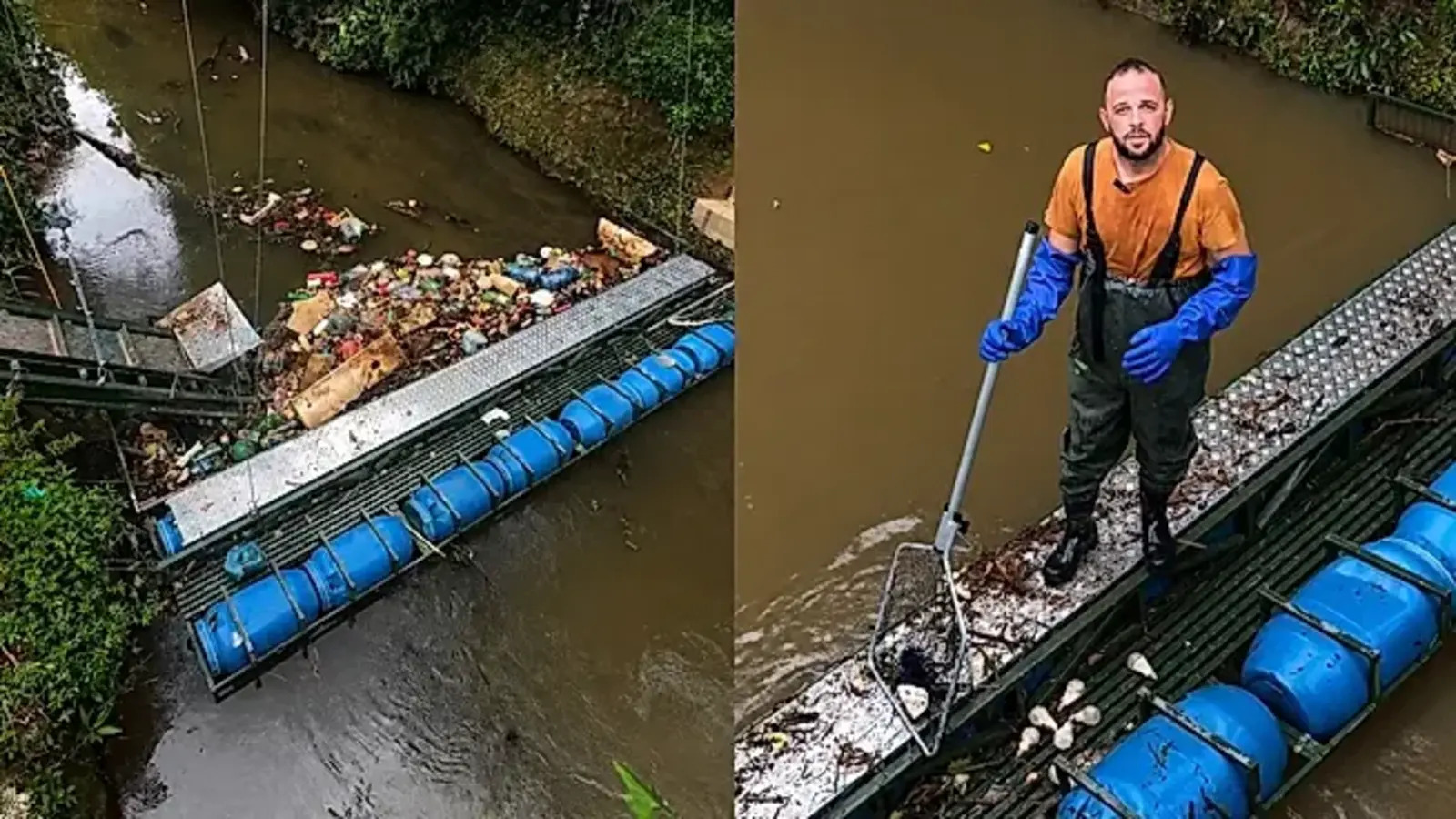
Brazilian promises his children to save a river, creates an eco-barrier in his backyard, has already removed more than 40 tons of trash from the water, and even inspires the idea in other states of the country.

-
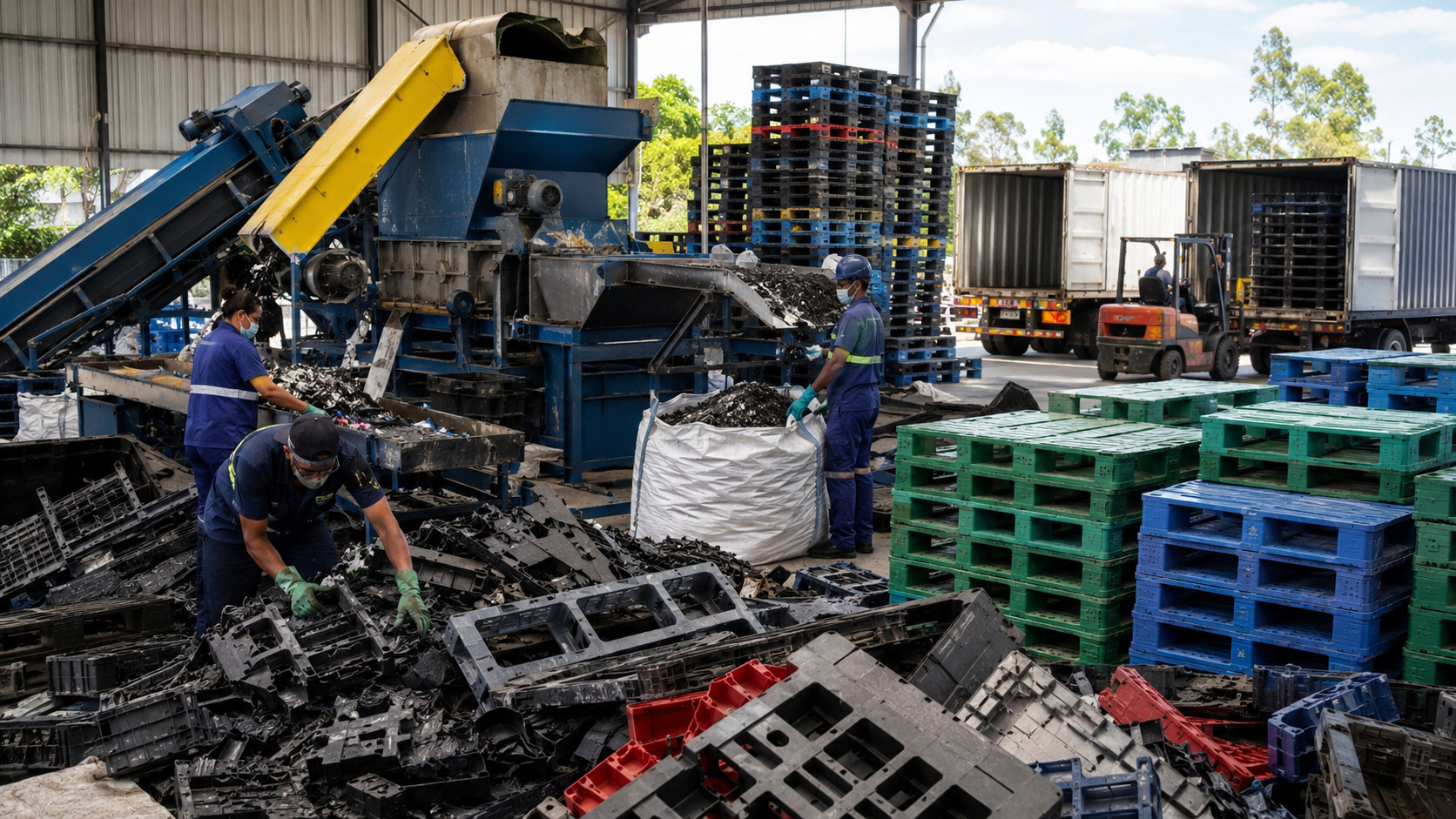
How a Brazilian company created a system that transforms broken pallets of any brand into new assets, recycles 80 tons of plastic per month, and found a profitable solution to a problem that challenges industries across the country.
-
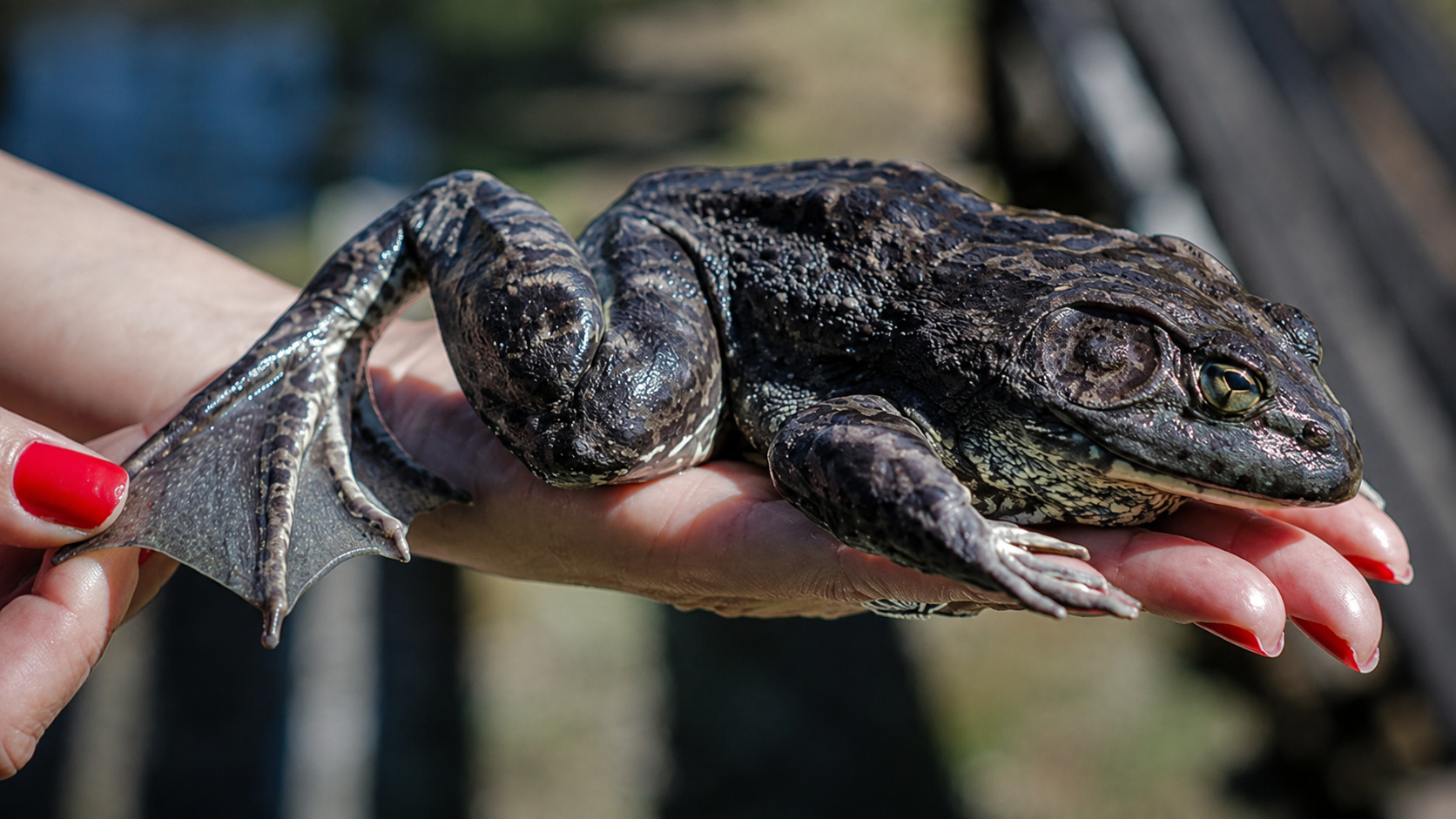
Invasive bullfrog capable of devouring other amphibians and laying up to 20,000 eggs is found in Florianópolis, raising an alert about the threat to native fauna.

The idea was to simply demonstrate how new tools, such as satellite images and artificial intelligence, are already helping to better understand underground resources.
As a result, the event went beyond theory: it brought practical studies that reveal useful information to strengthen public policies and support decisions that ensure the responsible use of water.
Advances in Water Resources Presented in Fortaleza
During the workshop, the Geological Survey of Brazil (SGB) presented research focused on water security and groundwater monitoring.
Researcher Cláudio César Aguiar Cajazeiras presented the study called Mapping of Areas at Risk for Water Insecurity.
This study aims to show which regions are most vulnerable when it comes to water access and availability.
The presentation brought data that can help governments and institutions better plan how to face scarcity situations.
Additionally, it emphasized the importance of understanding water behavior in the soil to avoid problems during drought periods.
Environmental Management Linked to Water Security
Another highlight of the meeting was the online lecture by Clyvihk Renna Camacho. He presented a study on water security and groundwater monitoring in Ceará using satellite data combined with artificial intelligence.
This approach demonstrated how environmental management can be supported by digital tools that facilitate real-time monitoring of water resources.
The use of cutting-edge technology has become an ally in identifying changes in groundwater volume and predicting situations that may affect communities dependent on these resources.
Artificial Intelligence Applied to Water Monitoring
The use of artificial intelligence in monitoring is transforming how water security and groundwater monitoring are analyzed.
Camacho’s study showed that this resource helps interpret spatial images more quickly and accurately, providing strategic information.
The practical application of this type of technology already allows for identifying trends and risks before they become larger problems.
In Ceará, this innovation can support both public managers and research agencies in building sustainable solutions.
Scientific Cooperation to Strengthen Sustainable Technology
The workshop was promoted by Funceme in partnership with the Ceará Water Resources Management Company (COGERH), the National Council for Scientific and Technological Development (CNPq), and the World Bank.
The presence of these institutions at the event reinforced that water security and groundwater monitoring need to be integrated into a scientific cooperation network.
The exchange of experiences between researchers and managers showed that sustainable technology, when combined with field studies, can generate impactful results.
Additionally, the Modeling and Spatial Monitoring Project of Water Quality in Reservoirs in the State of Ceará presented data that paves the way for new research in the sector.