






 Portuguese
  Spanish


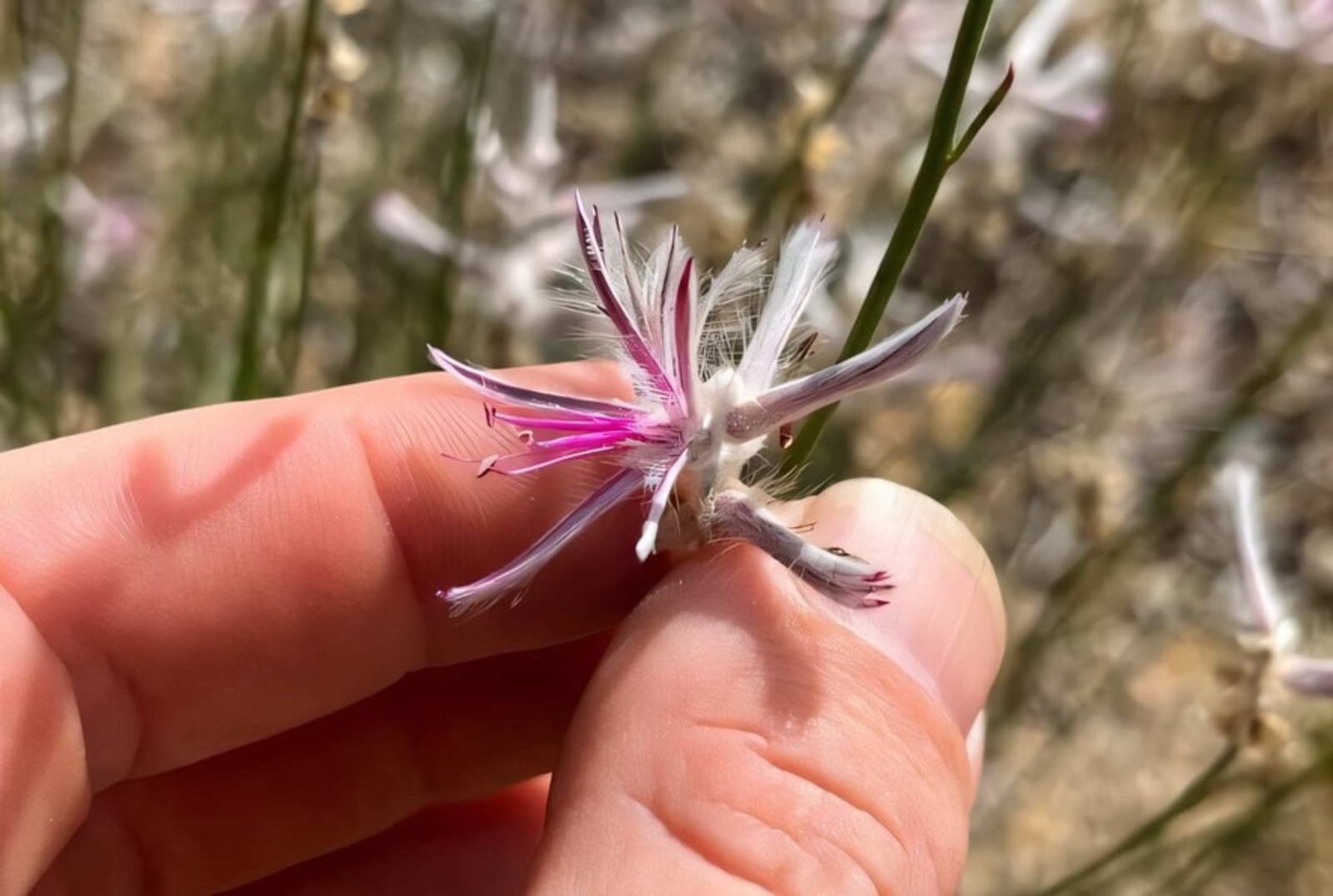
Discovery Made by Horticulturist in Queensland Following Publication on iNaturalist Led Botanists to Confirm Survival of Pilotus senarius, Absent from Records Since 1967 and Previously Considered Extinct in Rural Australia
The horticulturist Aaron Bean was recording birds on a farm in northern Queensland, Australia, when he photographed an unusual plant, published it on iNaturalist, and triggered the rediscovery of a species considered extinct since the 1960s, with a direct impact on botanical conservation.
Aaron was working on banding birds when the plant caught his immediate attention, leading him to pull out his phone, take a photo, and publish the record as soon as he had internet access.
The image was shared on iNaturalist, the main collaborative scientific database, powered by millions of people and dedicated to recording rare species.
-
In Somaliland’s Desert, Greenhouse Uses Sun and Seawater to Grow Lettuce, Cucumbers, and Tomatoes Without Rain: 1-Hectare Project Cools Crops, Desalinates Water, and Converts Brine into Commercial Salt

-
Trump Unveils $400 Million Boeing 747 Donated by Qatar as Temporary Air Force One Amid Boeing Delays, Sparking Debate on National Security, Costs, and Foreign Influence
-
Chinese Company Unveils Robotic Toilet That Comes to You, Featuring Lidar Sensors, Voice Command, Bidet, Hot Air Drying, UV Light, and Self-Cleaning Waste Disposal
-
Rotterdam Develops Floodable Square to Absorb Nearly 2 Million Liters of Rainwater, Doubling as Sports, Theater, and Leisure Space When Dry to Combat Urban Flooding



Unexpected Recognition of the Extinct Plant Species
The photos reached Anthony Bean, a botanist at the Queensland Herbarium, who recognized the specimen almost immediately as Pilotus senarius, a small and slender shrub.
The coincidence of the surname drew attention, but the highlight was the identification of a plant presumed extinct since the 1960s.
“It was a great coincidence,” said Thomas Mesaglio from the University of New South Wales in an interview with the Australian Journal of Botany when commenting on the case.
According to Mesaglio, Aaron is a frequent user of the platform and photographed interesting plants opportunely on that rural property.
A Plant Lost Since 1967
Pilotus senarius occurs only in a rugged stretch of terrain in the Gulf of Carpentaria, near Australia, and had not been collected since 1967.
For this reason, it became part of the list of 900 plant species considered extinct in the wild internationally since the 1750s.
The published images, however, confirmed that the species survived, changing its status to critically endangered, but not extinct, as was previously thought.
This change in classification repositions the plant in conservation strategies and rekindles scientific interest in its real distribution.
The Role of Citizen Science
iNaturalist brings together around 4 million people, 300 million records, and over 500,000 identified species around the globe.
The platform connects citizens with professional scientists and establishes itself as a relevant tool for monitoring global biodiversity.
The trend of citizen scientists photographing plants and animals allows analyses to be adapted without the constant physical presence of researchers.
Today, specialists follow online publications, evaluating records and directing studies based on this enormous collaborative volume of data.
Limits and Care in Records
Scientists encourage contributions even from people without formal training, although a single photo may be insufficient in groups of similar species.
More complete records include images of the whole plant, bark, leaves, and other details that enhance the scientific value of the observation.
“The more information and context you can provide, the more potential uses this record will have in the future,” Mesaglio emphasized again.
He recommends including extra data such as soil type, smell, and neighboring plants, details that aid in accurate taxonomic interpretation.
As complementary information, interested parties in Brazil can contribute to citizen science through SiBBr, expanding national records and strengthening future research, even if small errors occasionally go unnoticed, without compromising the overall value of the data.
With information from Revista Galileu.




-

-

-

3 people reacted to this.