






 Portuguese
  Spanish
 2 min of reading


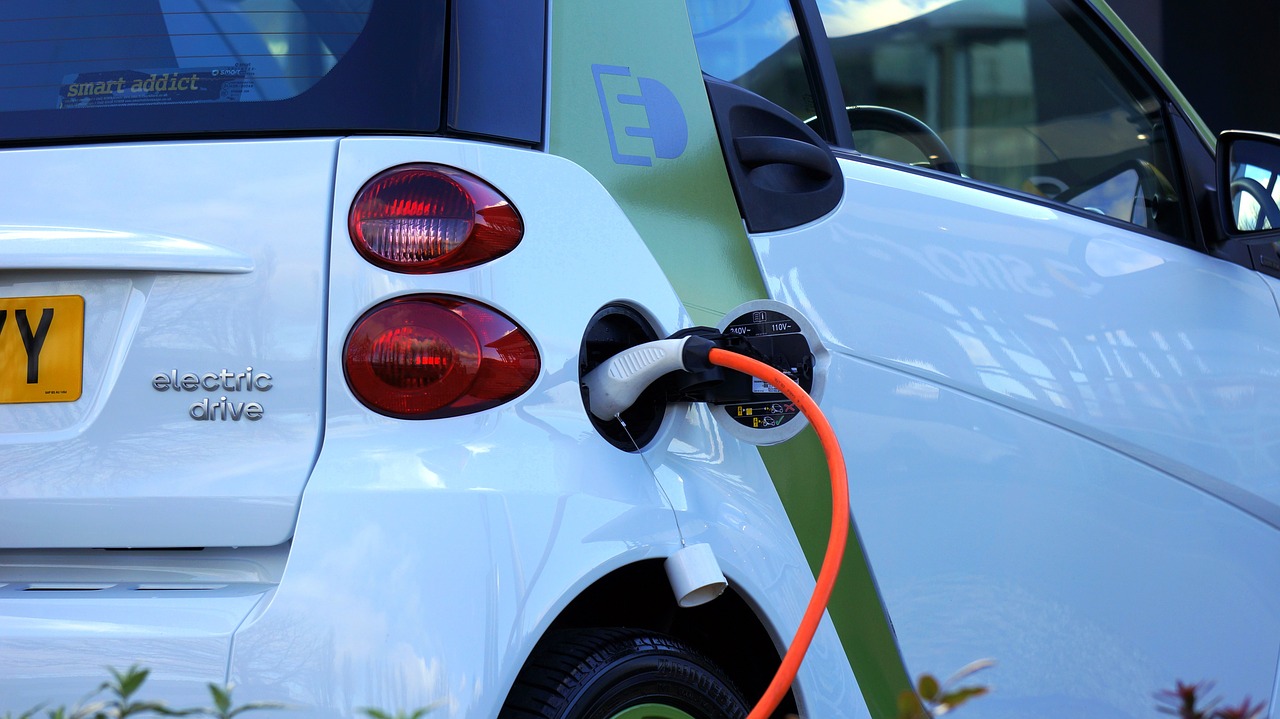
New Bill Approved in SP for Exemption from IPVA for Electric Cars to Come into Effect Soon
The São Paulo Legislative Assembly (SP) approved last week the bill 1256/2019, authored by state deputy Emidio de Souza (PT), which establishes a policy to incentivize the use of electric and hybrid cars in SP. The policy proposed by the deputy eliminates the IPVA tax applicable to the state of SP for electric cars and reduces the IPVA tax on hybrid cars by half for the next 5 years.
Read Also
To qualify for the benefit, electric cars must have a price lower than 8,000 UFESPs (Fiscal Unit of the State of SP), which in 2021 corresponded to R$ 232,720. Therefore, the electric and hybrid cars eligible for the IPVA exemption under this project include the Toyota Corolla, Corolla Cross, and Prius.
New Partnerships According to the Bill and IPVA Exemption
According to the bill, in addition to the IPVA exemption, the state government can establish partnerships with Technological Parks, Research Institutes, companies, and universities. This allows these institutions to “carry out infrastructure works to support vehicles.”
-
FIRJAN’s mega plan of R$ 526.3 billion for Rio de Janeiro aims to revive Brazil’s largest industry, with two-thirds of the investments going to oil and gas.

-
China signals an increase in beef imports, Brazil has already consumed 70% of the 1.106 million ton quota and seeks to renegotiate the tariff that jumps from 12% to 55%, while demand from the US also skyrockets.
-
Food inflation rose 302% in 20 years in Brazil, but the supermarket changed: purchasing power yielded 87% more mortadella and 31% less fruit, and ultra-processed foods took over the cart.
-
Petrobras sells the first batch of 3,800 m³ of aviation fuel made with certified soy, capable of reducing emissions by up to 70%, in an unprecedented project that anticipates the aviation sector’s requirements expected for 2027.



In the justification, Emidio argues: “the presented proposal is based on various successful experiences in several countries that opted for vehicles powered by renewable energy,” he explains.
The deputy also mentions a 2009 study on the “Strategy for Implementing Electric Cars in Brazil,” conducted by economist João Paulo dos Reis Velloso. The conclusion was that electric cars offered a better cost-benefit ratio than conventional combustion cars.
The Increase in Electric Cars Purchased at the End of 2020
Although 2020 brought negative sales records, the electric and hybrid car sector celebrated a 66.5% increase in registrations. The market jumped from 11,858 units in 2019 to 19,745 in 2020, according to Fenabrave.
It is certain that the country is still in its infancy in this segment, and there is a lack of infrastructure that allows the growth of electric cars in the country, such as a wide network of charging stations. Additionally, one of the main challenges for this type of vehicle to become popular is its high price.





Be the first to react!