Portuguese
  Spanish


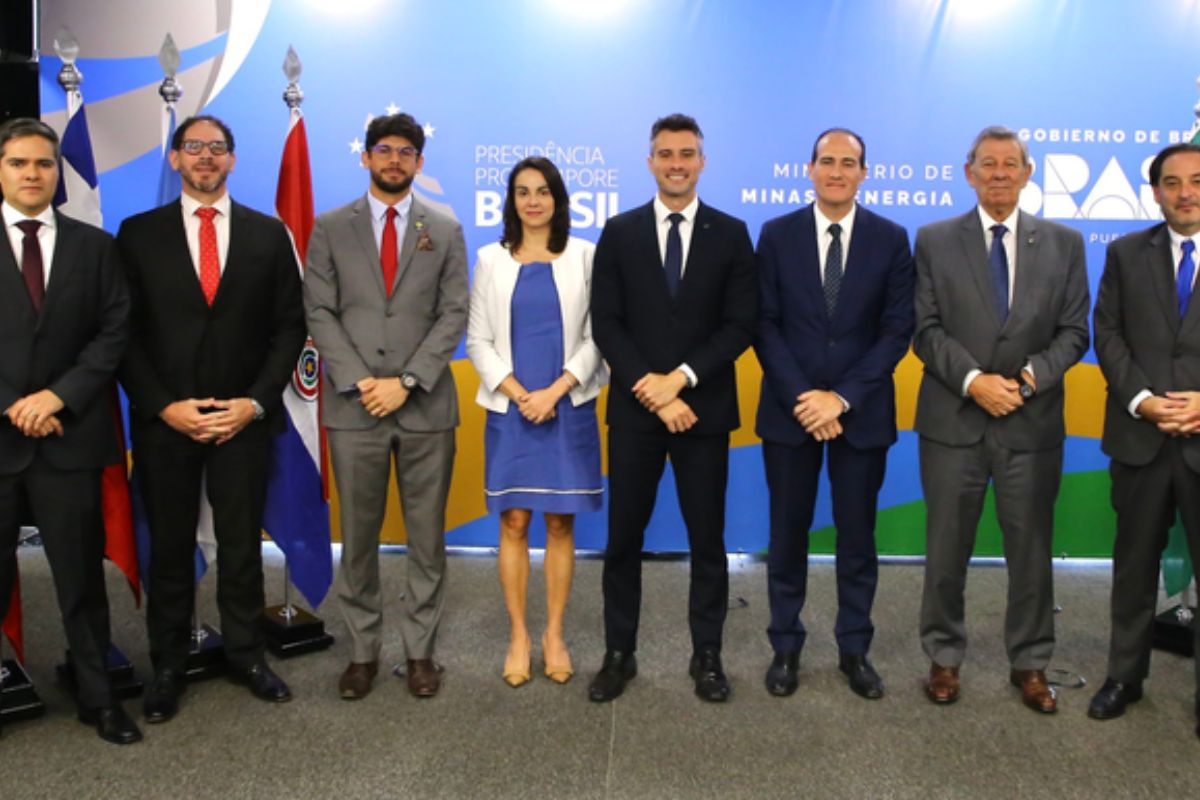

The Coordination of the Energy and Mineral Sector Gains New Momentum with Ministers of Mercosur Gathered to Expand Integration in Energy, Biofuels, and Strategic Minerals, Strengthening Joint Actions in the Region
Right at the opening, the energy and mineral sector emerged as the central point of discussions that brought together ministers and technical authorities from Mercosur at the meeting held on November 25 by the Ministry of Mines and Energy (MME), according to a report published
The event took place under the Pro Tempore presidency of Brazil and received representatives from the States Parties, as well as delegations from Chile, Colombia, and the Latin American and Caribbean Organization of Energy (OLACDE).
The meeting mobilized essential agendas for regional development, connecting energy, mining, and long-term planning through discussions aimed at active integration among the countries of South America.
-
China could reduce iron ore imports from 80% to 50% of consumption by 2030, while its share in global steel production falls from 52% to 46%, in a shift that could reshape the global market, says CMRG.

-
Brazil is sitting on one of the largest lithium reserves in the world, in the Jequitinhonha Valley, but national mining has almost become an appendage of China: 97% of the metal’s export goes to a single country, which also dominates refining.
-
Iron ore falls to 762 yuan in China as real estate sales decline and steel production hits lowest level since 2018
-
Brazil has minerals, clean energy, and a waiting market, but it could miss a billion-dollar opportunity if it doesn’t speed up the race for green minerals, while the steel industry seeks to reduce emissions.


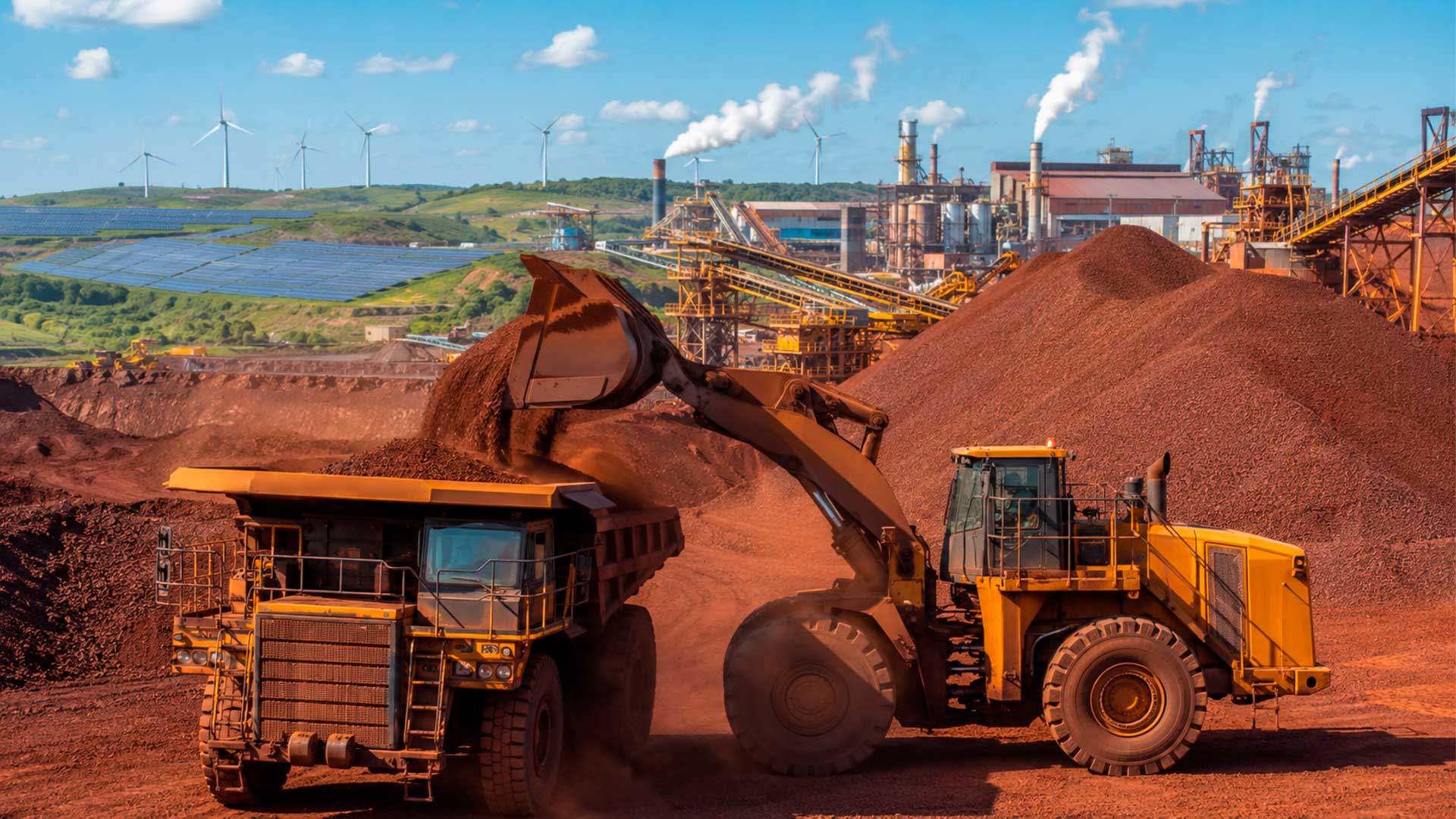
Throughout the meeting, joint advances related to energy supply, industrial strengthening, and ensuring affordable prices for consumers and productive sectors were highlighted.
Gustavo Ataíde, national secretary of Energy Transition and Planning, represented Minister Alexandre Silveira at the opening and emphasized the importance of unity among the countries.
In his speech, he noted that expanding cooperation requires building shared pathways.
According to him, integrating energy and mineral markets makes it possible to accelerate reindustrialization, support economic growth, and ensure stability for regional systems, especially in the face of growing demands for sustainable sources and the need for greater resilience.
Regional Energy Integration as a Basis for New Initiatives
The Declaration of the Ministers of Energy and Mines, approved during the meeting, formalized commitments aligned with regional energy integration and once again recognized the strategic value of the energy and mineral sector for security and long-term stability.
This document highlighted that cooperation among neighboring countries also favors the expansion of gas and electricity networks, a theme that had already been addressed in previous editions but has advanced in recent years.
Among the reaffirmed points are the relevance of regulatory convergence and the common goal of consolidating a more efficient, competitive, and integrated regional market.
The delegations also reinforced the importance of ensuring that the adopted policies preserve the sustainable development of South American populations, expanding productive and industrial opportunities.
South American Mineral Cooperation on the Ministers’ Agenda
In the second block of discussions, South American mineral cooperation gained prominence, especially for involving strategic minerals essential for energy transition.
This focus again reinforced the role of the energy and mineral sector in the joint planning of the countries.
The in-depth dialogue on mining also addressed regulatory structures, sustainability goals, and the need to share experiences to strengthen the Working Groups 9 (Energy) and 15 (Mining and Geology), both coordinated by the MME during the Brazilian presidency.
Representatives of the Associated States reiterated that expanding technical cooperation facilitates the creation of productive chains and boosts regional competitiveness.
Mercosur Ministerial Declaration and Paths to an Integrated Energy Market
The Mercosur ministerial declaration also summarized the advances related to the expansion of biofuels and the application of Sustainable Aviation Fuels (SAF).
These topics connect energy, innovation, and emission reduction, consolidating the collective commitment to expand actions of the Ad Hoc Biofuels Group.
The text reinforced alignment among countries to strengthen an integrated energy market that utilizes common regulatory principles and encourages clean technologies.
At this moment of discussions, the energy and mineral sector again emerged as a structural axis, allowing long-term policies to combine energy security and economic efficiency.
Without reaching a closed conclusion, the meeting pointed out strategic directions that should guide the next steps of the Brazilian presidency within the bloc.
At the end of the meeting, the delegations highlighted that the energy and mineral sector would remain a priority topic in joint actions.