Portuguese
  Spanish




With High Demand in Brazil, Shein’s Arrival at Northeast Factories Promises to Boost Not Only the Local Economy but Also the Creation of Job Opportunities for the Manufacturing of the Pieces Sold by the Company.
Shein is heavily investing in Brazil, with the promise of generating thousands of job opportunities through its local production strategy. The company has established partnerships with factories in 12 states across the country, with a special focus on the Northeast, and aims to make Brazil a global production hub alongside China and Turkey. Additionally, Shein will launch specific collections for the Brazilian market, based on consumption data, aiming to meet the needs of local consumers.
Shein and Its Local Production Strategy in the Brazilian Market
The e-commerce giant Shein is making bold moves in Brazil.
With the promise of bringing thousands of jobs and strengthening local production, the company is heavily investing in the country, focusing on factories in the Northeast.
-
They exchanged the idea of a large house for a 35 m² warehouse, spent US$ 12,000 on the structure, and created a tiny house in Colorado with space to live and work.

-
While modern cities rely on pumps and electricity, in Iran, ancient tunnels carried water through the desert using only slope and gravity.
-
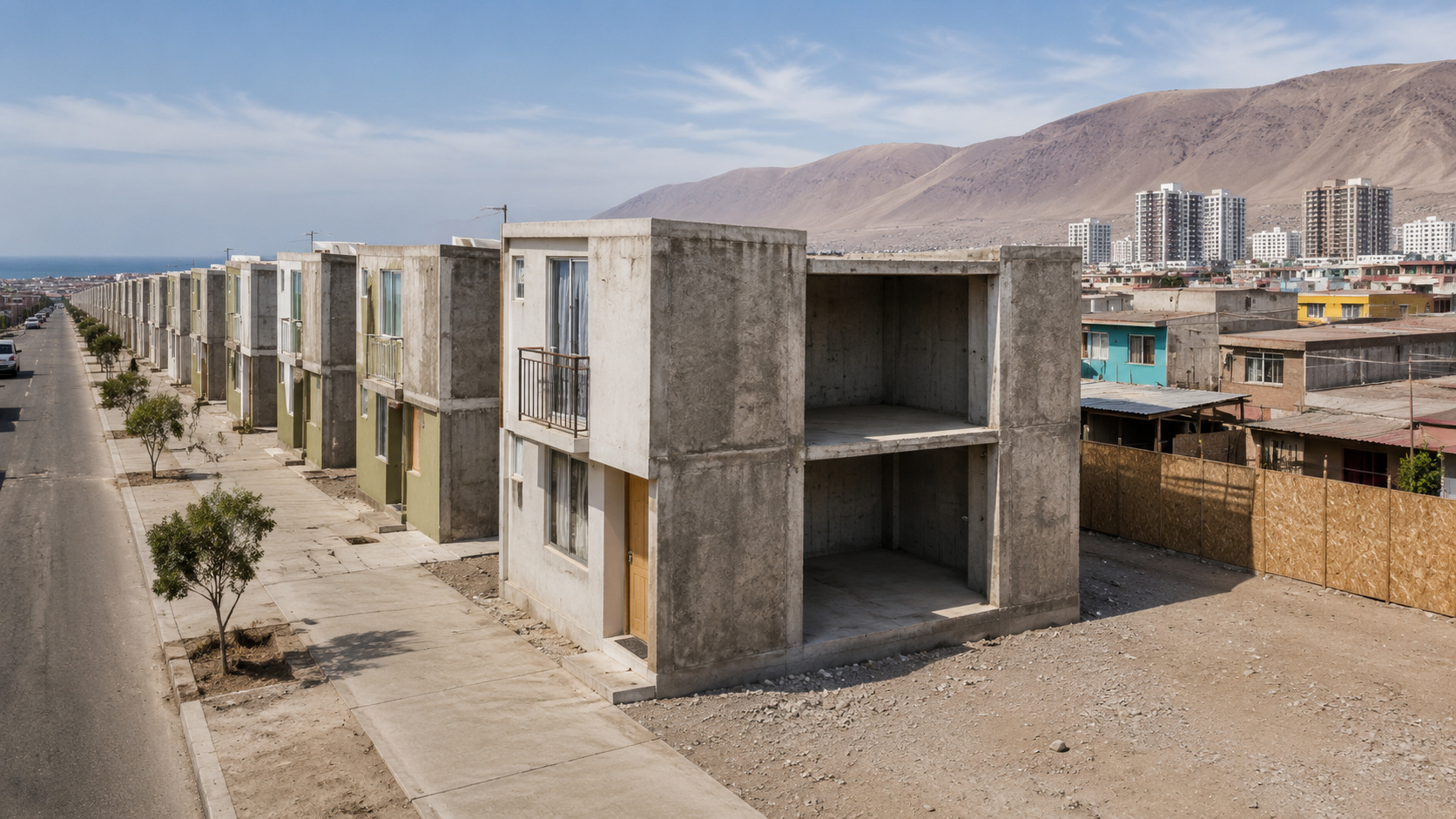
Instead of sending families far from the city, a project in Chile intentionally created incomplete houses on expensive urban land and left technical space for each to grow.
-
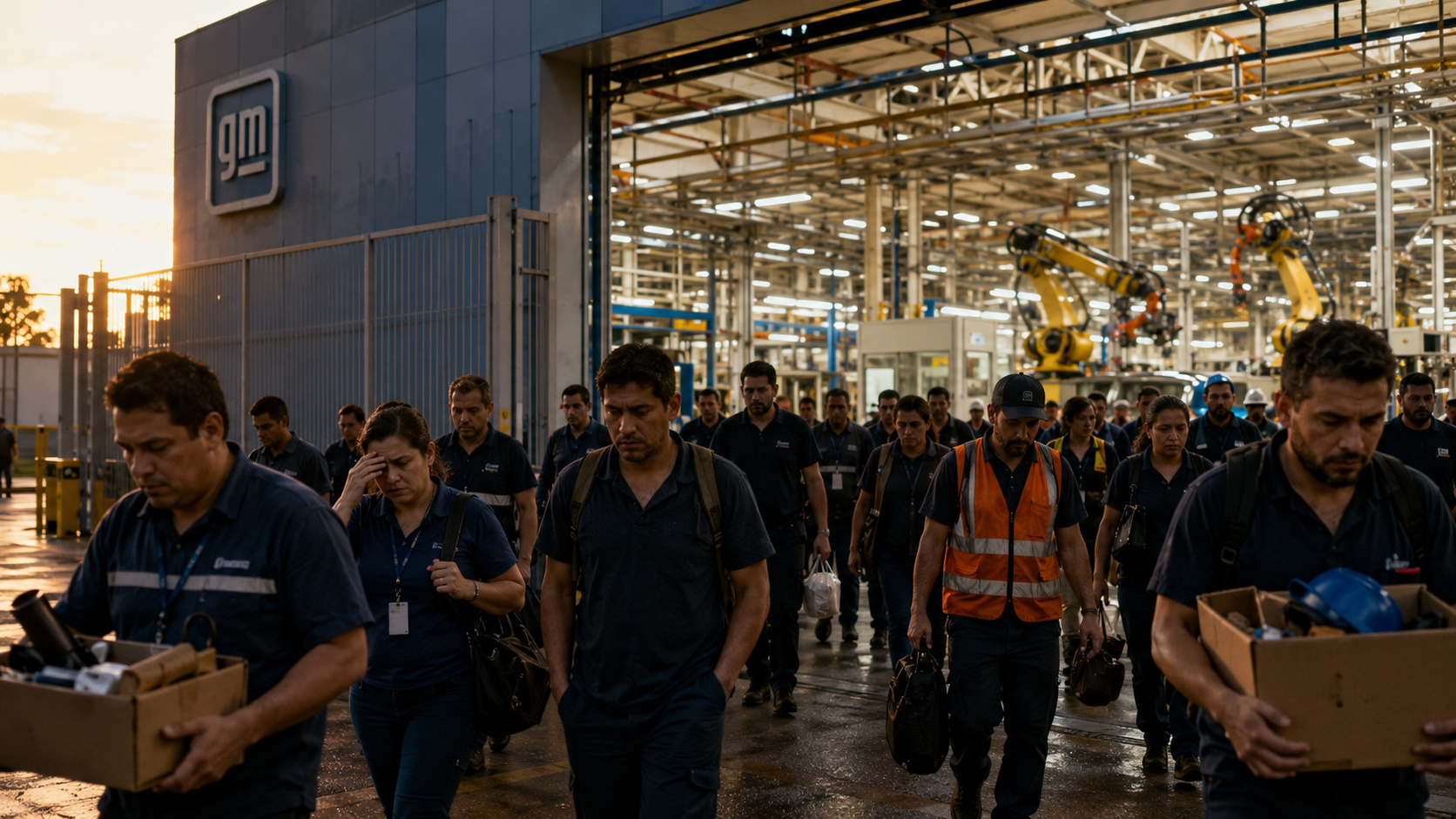
General Motors Replaces Over a Thousand Workers with 50 Cobots at Electric Vehicle Plant, UAW Union Criticizes Move Amid Industry’s Automation Push

To meet local demands and reinforce its commitment to the country, the company is expanding its local production with an ambitious investment plan.
The company was founded in 2012 by Chris Xu, headquartered in Singapore, and today operates in 150 countries.
The company has already initiated its local production plan in the Northeast, specifically in Rio Grande do Norte, partnering with the Coteminas factory in Macaíba, Natal.
This initiative aims to create direct and indirect jobs in the Northeast, a region that has historically suffered from high unemployment rates.
Furthermore, Shein aims to have 85% of its sales related to products coming from local market factories by the end of 2026.
With this strategy, Brazil will become one of the three main global production centers for the company, alongside China and Turkey.
One of Shein’s main goals is to generate jobs in Brazil. The company’s target is to mobilize 100,000 direct and indirect jobs in the country.
This initiative will bring strong benefits to the Brazilian economy, which has faced significant challenges in recent years.
Moreover, Shein’s expansion is not limited to Rio Grande do Norte.
The company has already established partnerships with 336 suppliers in factories across 12 Brazilian states, including Santa Catarina, Paraná, São Paulo, and others. The strategy aims to decentralize production and create jobs throughout Brazil.
Company Ensures Innovation in Local Production Aiming for Job Creation
Shein is not just a retailer; it is a technology company. Its innovative approach includes the integration of artificial intelligence in production.
Shein’s partner factories, especially in the Northeast, are known for their innovations in product launches, using data to determine the acceptance of each piece.
Additionally, it gives its suppliers access to all company data, allowing them to track the sales evolution of each piece.
This creates a collaborative environment where factories can adjust their production based on market trends.
The company is also attentive to the needs of the Brazilian market. As part of its expansion, the company is launching three new collections aimed at the local audience: plus size, fitness, and underwear.
All of these product lines are designed based on consumption data, ensuring they meet the tastes and needs of Brazilian consumers.
With its significant investment in Brazil, Shein promises to change the landscape of e-commerce and local production in the country.
Its innovative approach and promise to employ thousands of Brazilians are positive news at a time when the country needs job opportunities.
Now, it is determined to make Brazil a global production hub and generate many job opportunities throughout the country, with a special focus on Northeast factories, bringing hope for an even more promising future in local garment production.
Shein in Brazil: Impacts on Brazilian Retailers