






 Portuguese
  Spanish
  3 min of reading
  0 comments


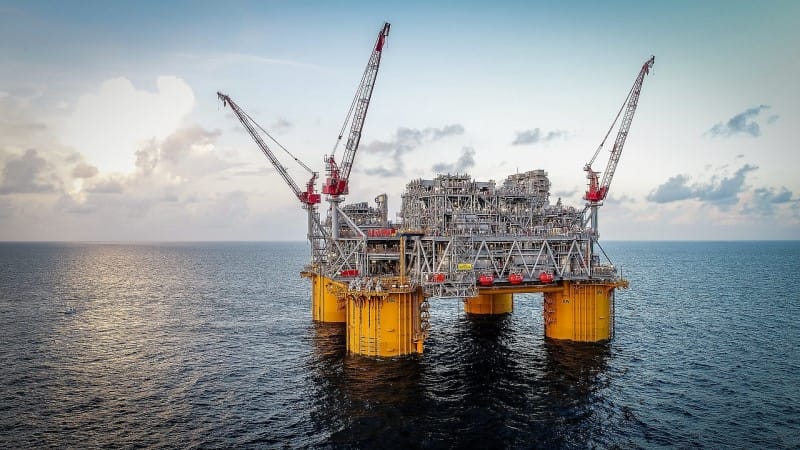
Shell Offshore Inc., a subsidiary of Shell plc, made the final investment decision for Sparta, in deep water in the Gulf of Mexico, representing our cost-effective and efficient approach.
Shell Offshore Inc., a subsidiary of Shell plc, announced its final investment decision for the Sparta project, a deep-water venture in the U.S. Gulf of Mexico. Sparta, owned by Shell Offshore Inc. and Equinor Gulf of Mexico LLC, aims to achieve a peak production of approximately 90,000 barrels of oil equivalent per day (boe/d) and currently has an estimated recoverable resource volume of 244 million boe. Sparta will be Shell’s 15th deep-water host in the Gulf of Mexico and is scheduled to start production in 2028. Shell’s cost-effective development approach through standardized and simplified host projects, first utilized in the Vito venture and later replicated in the Whale venture, will be incorporated into Sparta, representing the company’s commitment to efficient and competitive energy-wise.
The development of Sparta marks an important milestone for Shell, being the first of the company’s replicable projects to feature fully electric compression equipment. This technological advancement significantly reduces greenhouse gas intensity and emissions from Shell’s operations, demonstrating the company’s ongoing pursuit of innovation and efficiency in its operations in the Gulf of Mexico.
Sparta: A Deep-Water Investment Project
Sparta is one of today’s leading deep-water investment projects. With an estimated recoverable resource of 2 billion barrels of oil, the Sparta project has the potential to boost production and economic development in the region.
-
Petrobras is expected to complete the drilling of the Morpho well in the Foz do Amazonas in August 2026, the first well in the Equatorial Margin, an oil frontier that the ANP estimates at more than 30 billion barrels and could redraw the map of Brazil.

-
Oil returns to the center of concerns with tension between the US and Iran

-
IEA reduces forecast for global oil demand in 2026 after impacts of the Middle East crisis

-
Bank of Japan raises interest rates to 1%, reaching the highest level in over three decades



The Importance of the Sparta Project for Economic Development
The Sparta project aims to utilize standardized hosts for efficient replication across the concession area. This will ensure that the value of the resource is maximized, while also ensuring efficiency in deep-water oil production.
Technical and Operational Challenges in the Development of Sparta
High pressure and the need for state-of-the-art compression equipment are challenges faced by the Sparta project. However, the reserve of oil and natural gas associated with the project makes the investment highly attractive for companies in the sector.
The quest for innovative solutions for deep-water production is one of the focuses of the Sparta project. With the implementation of advanced technologies and collaboration among the involved companies, it is expected to overcome challenges and increase efficiency in oil extraction.
The Promising Future of Sparta
The Sparta project has the potential to become one of the largest deep-water production ventures in the world. With a commitment to overcoming technical and operational challenges, the project is expected to boost not only oil production but also the economic development of the region.
Source: World Oil






-

1 person reacted to this.