






 Portuguese
  Spanish


Chevrolet Brazil Rescues Icons Like Opala and Monza in the Vintage Program, Combining Classic Design and Modern Technology.
Chevrolet Brazil Relaunches Opala and Monza in a Program Celebrating the Brand’s 100th Anniversary.
Chevrolet Brazil announced that it will return to selling Opala and Monza, two icons of the national automotive industry.
The relaunch is part of the Chevrolet Vintage program, created to celebrate General Motors’ centenary in the country.
-
Volkswagen to Cut Production by 1 Million Cars by 2030, Reducing Jobs and Platforms, Focusing on More Profitable Models

-
Toyota Launches First 100% Electric Car in Brazil: bZ4X with 343 HP, All-Wheel Drive, 361 km Range, Priced at $419,990 BRL, Limited to 99 Units

-
Chinese SUV Achieves 24.4 km/l, Outperforms Toyota Yaris Cross in Real-World Tests with 224 hp Hybrid System, Offers 51-Liter Tank for Greater Range, and Costs Up to R$ 5,000 Less.
-
Uber Black Revamps Fleet, Drops Ten Car Models and Sets Deadline for Electric BYD Dolphin


The project, which will begin in 2025, promises to restore and sell classic units of the brand in an auction format, combining nostalgia, modern engineering, and social actions.
Chevrolet Classics Return to the Streets
The Chevrolet Vintage program will restore and sell some of the most iconic classic cars from the 1970s, 1980s, and 1990s.
Models like Opala SS 1979, Monza 500 EF 1990, Omega CD 1994, Kadett GSi 1992, and even a S10 Rally 2004 are included in the initial list of vehicles returning to the scene.
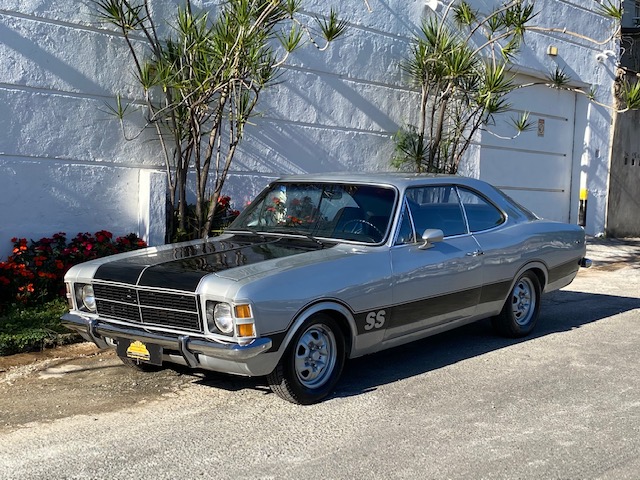
Each vehicle will undergo a rigorous restoration process, combining the preservation of originality and modern technology.
In the case of Opala, for example, the 4.1L engine has been adapted for electronic fuel injection, ensuring updated performance without losing its classic charm.
The Monza, a national pioneer with electronic fuel injection, retains its sporty DNA from the 90s.
/i.s3.glbimg.com/v1/AUTH_cf9d035bf26b4646b105bd958f32089d/internal_photos/bs/2024/C/b/FcKMHeR5uhVVf883vHmQ/monzaef02.jpg)
How Will Chevrolet Vintage Be
The Chevrolet Vintage will not operate as a traditional production line. Only 10 restored cars will be sold in physical and online auctions starting in 2025.
Part of the proceeds will go to the General Motors Institute (IGM), which supports social projects in various regions of the country.
According to the automaker, the vehicles will undergo comprehensive testing at the Cruz Alta Test Track in Indaiatuba (SP).
There, GM engineers will assess dynamics, braking, noise, and vibrations, ensuring that the cars meet the brand’s safety and authenticity standards.
Faithful Restoration and Cutting-Edge Engineering
The restoration process includes access to Chevrolet’s historical database, which contains technical manuals, original finishes, and reference images.
This allows every detail — from paint shades to metal components — to be reproduced with maximum fidelity.
In restomod versions (restoration with modernization), Chevrolet Brazil engineers integrate current technologies without compromising the retro appearance.
Thus, models like the Opala and Monza gain safety, efficiency, and comfort, while maintaining the original spirit that marked generations.
A Collector’s Project for Collectors
The initiative was born from the personal passion of Santiago Chamorro, president of GM South America, a known enthusiast of classic cars.
“Reviving and transforming these models into true unique collector’s items, with all the rigor and dedication of our engineering, is a way to honor this legacy and at the same time offer something special to passionate consumers,” says Chamorro.
The Chevrolet Vintage also aims to value the so-called “neoclassics,” vehicles from the 1990s and 2000s that are becoming coveted rarities in the collector’s market.
Chevrolet Brazil Rescues Its History
With the Vintage project, Chevrolet Brazil reinforces its connection with the audience passionate about classic cars, at a time when the automaker is also heavily investing in electric vehicles and Asian imports like the Spark EUV.
By reviving legends like the Opala and Monza, the company brings back an important chapter of national automotive history and reaffirms its commitment to innovation and cultural memory.





Be the first to react!