Portuguese
  Spanish


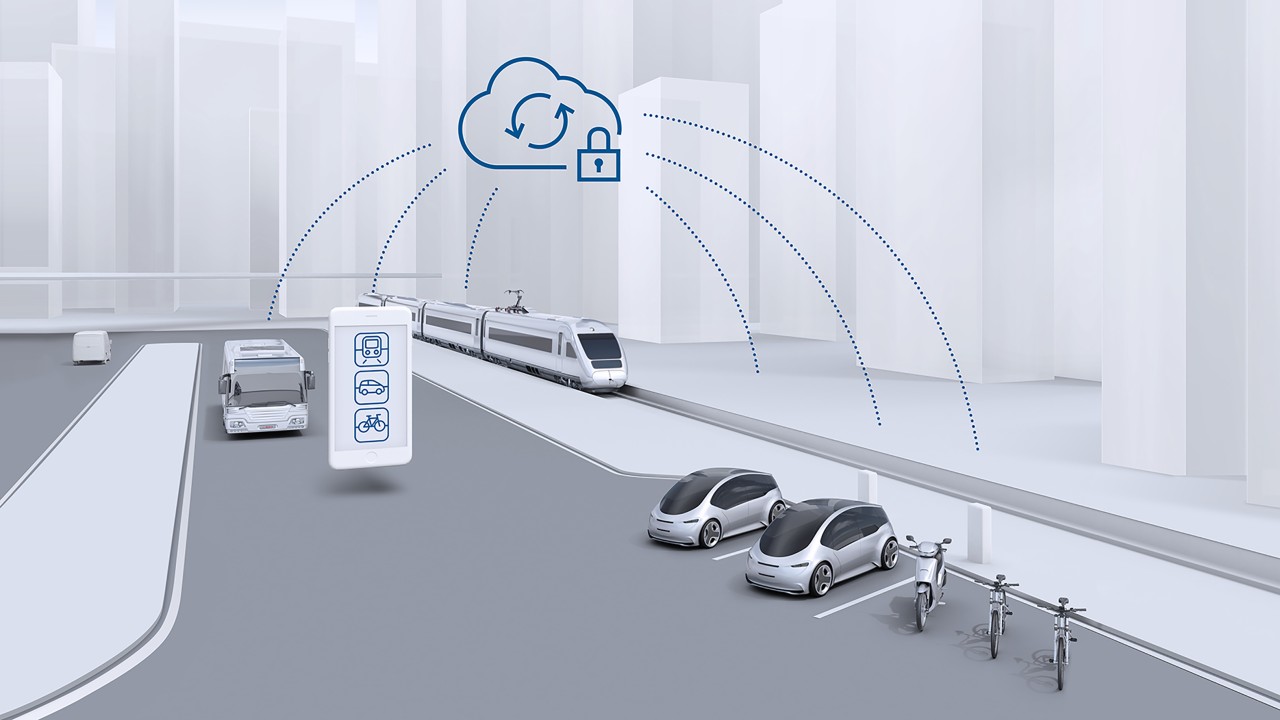

Discussed For Quite Some Time, The 6G System Could Enable Vehicles To Be More Efficient, Safe, And Relaxed In The Urban Mobility System. Furthermore, It Will Also Allow Cars To Exchange Data Reliably Between Themselves, Through Radars And Sensors.
In Practice, The 6G System Allows Sensors To “See” And Recognize Their Surroundings, Helping To Avoid Collisions And Accidents, For Example. On The Other Hand, To Ensure The Autonomous Operation Of Cars, Sensors Are Fundamental.
Currently, Automotive Communication And Sensor Systems Typically Operate Independently Of Each Other, Although They Are Similar When It Comes To Features Like Signal Processing Or System Architecture.
In This Sense, The 6G-ITS4Mobility Project Aims To More Quickly Interconnect Communication And Radar Systems, Which Currently Operate Separately, To Bring Them Together Into A Single 6G System. In The Coming Years, The Project Will Create Crucial Fundamentals For The Future Of The 6G Standard And Thus Ensure The Technological Sovereignty Of Europe.
-
Australian Megafactory Austal Constructs 380-Foot, $74 Million High-Speed Ferry for Canary Islands Capable of Carrying 1,100 Passengers and 278 Cars at 38 Knots

-
Scientists Develop Battery Using Mineral Found in Bones and Chalk, Surviving 1,000 Charges While Retaining 75% Capacity, Paving the Way for a Lithium-Free Future

-
Super-Earth Twice the Size of Our Planet Discovered Nearby, Offering Clues About Life Beyond the Solar System
-
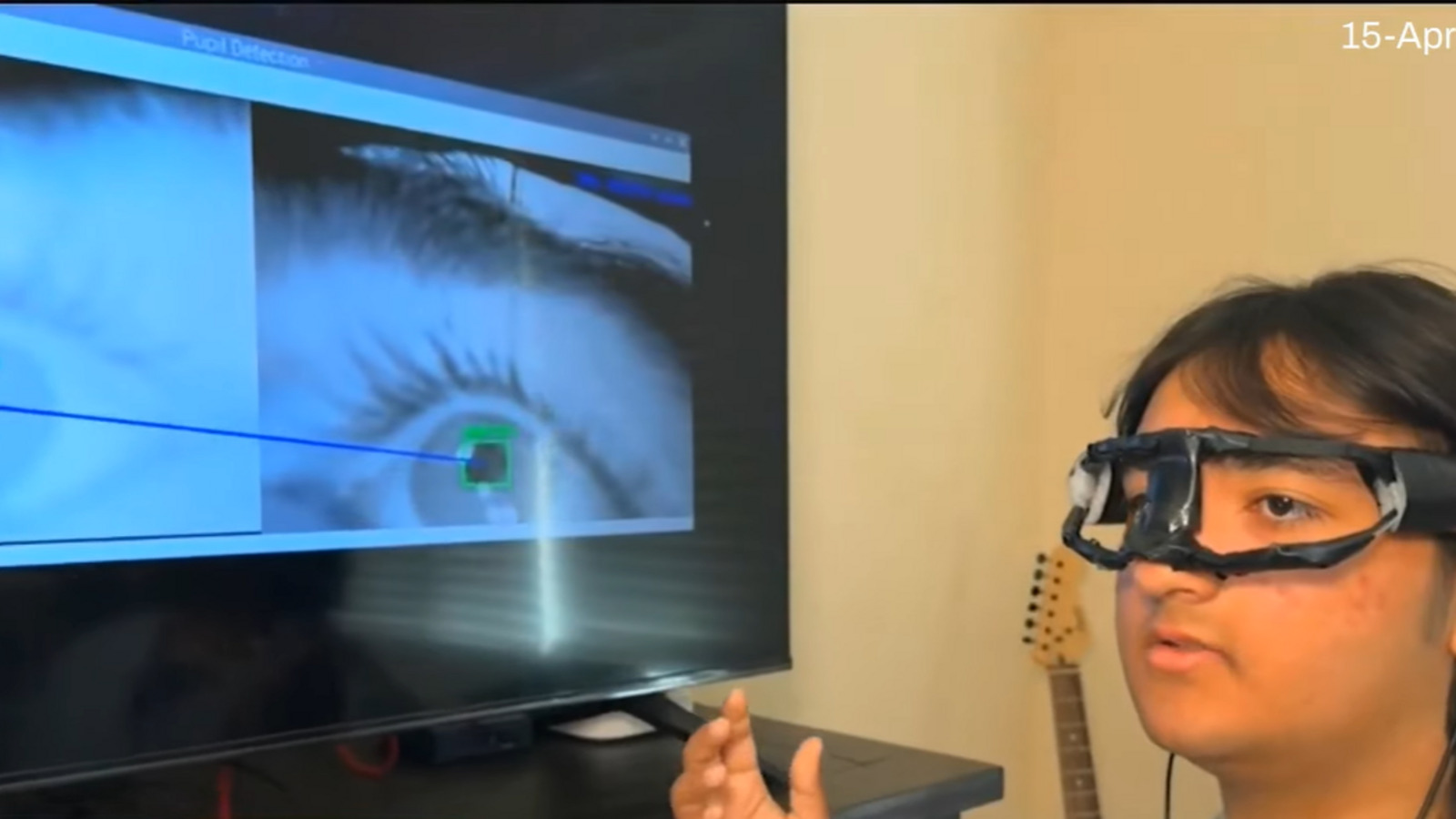
Teen Invents Promising AI Device to Detect Eye Misalignment Using 3D-Printed Visor and Small Cameras for $300




To This End, A Consortium Led By Bosch, Experts In Communication And Networking, Automotive Suppliers, And Drone Providers Has Started A Million-Euro Research In The Sector.
6G Project Opens Up Space For A New Future
In The Future, Real-Time Sensor Data From Different Cars Will Be Coordinated Through 6G Mobile Communications To Develop A More Accurate Picture Of The Vehicles’ Surroundings. Consequently, It Will Enhance Their Safety And Also The Safety Of The Roads.
At The Same Time, The Direct Integration Of Radar Functions In Future Communication Models Will Reduce Costs And Lead To More Efficient Use Of Wireless Resources, Such As The Current 5G.
In Addition To Discussing Relevant Scenarios For Road Traffic, Insights Gained From The Project Will Serve, Particularly, As Technical Fundamentals For Applications In The Domain Of Connected Drones, Mainly For Industry 4.0. Thus, These Systems Could Be Used In Driverless Cars, For Example.
The 6G-ICAS4Mobility Project Is Supported By The German Federal Ministry Of Education And Research, With Investments Estimated At 10 Million Euros.
6G System Is Already A Reality In Much Of The World


In Recent Years, ICAS, Which Aims For Closer Interconnection And Ensures Communication And Detection Integration, Has Been Widely Discussed. In This Sense, The 6G System Project Aims To Demonstrate That The Technology Works In Practice, To Then Be Used In Mobile Communication Systems.
Thus, The Initiator Of 6G-ICAS4Mobility, And Leader Of The Bosch Consortium, Andreas Müller, Stated That “ICAS Is Considered A Key Technology For Future 6G Systems. It Will Open Up Completely New Possibilities That Go Far Beyond The Potential Of Current Wireless Technologies.”
The 6G System Is Already Present Worldwide. As Examples, We Have The German Government, Which Is Financing Activities In The Sector Valued At 700 Million Euros Until 2025. In This Same Sense, The EU Already Foresees An Investment Of 900 Million Euros Between 2021 And 2027.
On The Other Hand, There Are Also Investment Programs In Other Parts Of The World, Such As Japan, South Korea, The USA, And China. In Practice, This Reflects The Geopolitical Importance Of The 6G System Which, According To Experts, Should Have Its First Cycle Completed By 2028.