Portuguese
  Spanish



Starlink changes business model and starts offering antennas only for rent in various international markets.
Starlink has initiated a significant change in its way of marketing satellite internet equipment. The company controlled by Elon Musk has stopped selling antennas to consumers in the United States, Mexico, Canada, and other markets, adopting exclusively the rental system for the devices.
The change affects new subscribers to residential plans and creates a new monthly charge linked to the use of the equipment. According to Tudo Celular, the strategy could be expanded to other countries in the future, although it has not yet been implemented in Brazil.
How does the new Starlink model work?
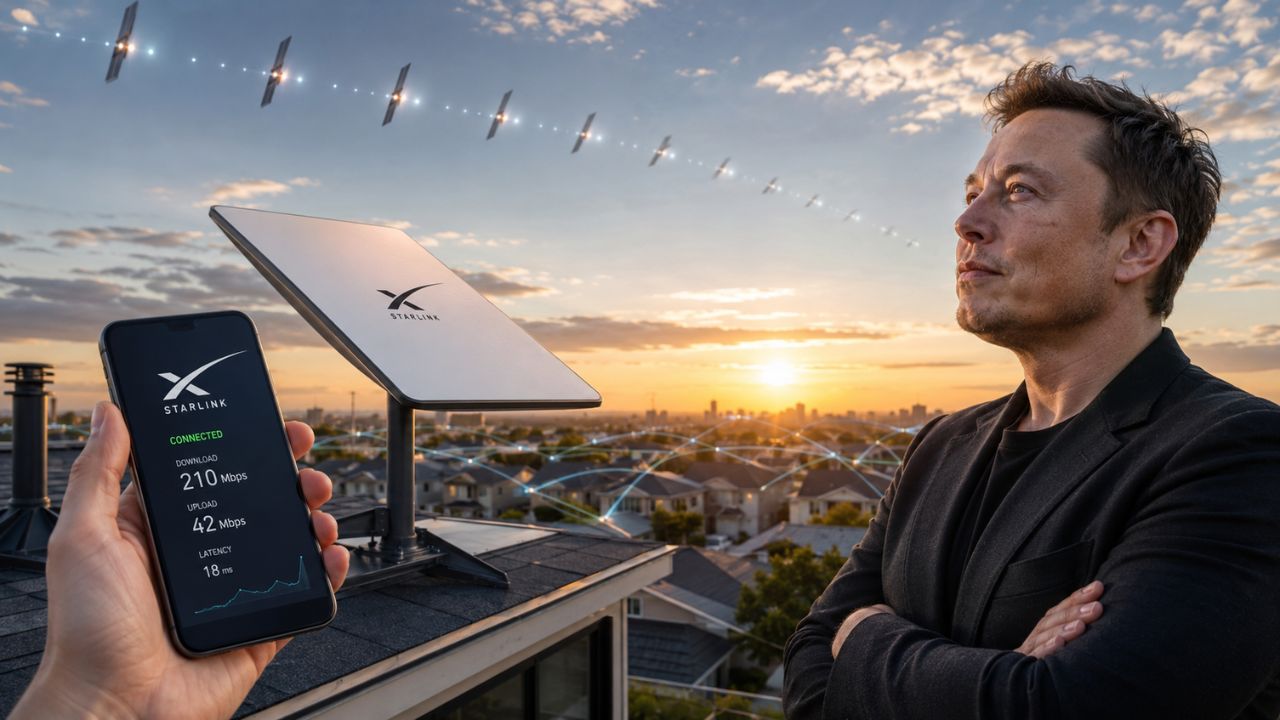
With the change announced by Starlink, customers who wish to subscribe to the residential service will no longer be able to purchase the antenna. Instead, the equipment will be available through rental.
-
China Builds World’s Largest Power Grid, Generating Enough Energy to Supply 15 Times Brazil’s Needs, Surpassing the US, EU, and India Combined

-
Brazil’s First 3D-Printed House Built in 30 Hours with Two Operators and 20% Lower Costs

-
Parker Solar Probe Discovers High-Speed Dust Grains Near the Sun, Offering New Insights into Solar Corona’s Mysteries
-
Google Revives Historic Hangar for Cutting-Edge Tech in Silicon Valley: Once Built for a “Flying Aircraft Carrier,” Now a Hub for Drones and Robotics




In practice, the user will pay an additional fee of $10 per month for the use of the antenna. Thus, a plan that previously cost $55 per month now incurs a total charge of $65.
In addition to the monthly fee, Starlink continues to require an installation fee of $199 for new subscribers in certain modalities.
What changes for Starlink customers?
The main difference lies in the ownership of the equipment. Previously, consumers purchased the antenna and became owners of the device used to access Starlink’s satellite network.
Now, the device remains linked to the company. Another consequence highlighted by the company is that customers using rented antennas will not have the option to temporarily pause the service.
According to the information disclosed, the new policy is valid only for residential plans.
Main announced changes
- End of antenna sales in certain markets;
- Additional monthly charge of $10 for the equipment;
- Installation fee of $199 maintained;
- Inability to pause the service for those renting the antenna;
- Initial application focused on residential plans.
Why did Starlink adopt this strategy?
The change represents a new source of recurring revenue for Starlink’s operation. Instead of receiving a one-time payment for the sale of the equipment, the company now obtains monthly payments related to the rental of the antennas.

The numbers presented help to understand the logic of the model. Previously, a Starlink antenna was sold for $499 in the United States. With a monthly charge of $10, the equivalent value of the equipment would be recovered after just over four years of subscription.
Only after this period, according to the analysis presented, would the revenue from the rental start to represent an additional gain for the company.
Special offer seeks to attract new subscribers
While expanding the rental model, Starlink also maintains a special condition for one of its packages.
The company states on its official website that customers who subscribe to the Max plan are exempt from the installation fee. This package has a monthly fee of $130.
Thus, the company combines the new rental policy with incentives aimed at consumers who opt for higher-value plans.
Expansion to other countries is in the plans
Although the change is already in effect in markets such as the United States, Mexico, and Canada, Starlink itself states that the strategy may reach other regions in the future.
For now, Brazilian consumers continue to have access to the traditional format of acquiring the company’s kits.
There is still no information on dates or schedules for a possible implementation of the new system in Brazil. The company has only indicated that the expansion of the policy is part of its plans.
Thus, Starlink consolidates a strategy based not only on the subscription of connectivity plans but also on the continuous charge for the hardware necessary to use the service.
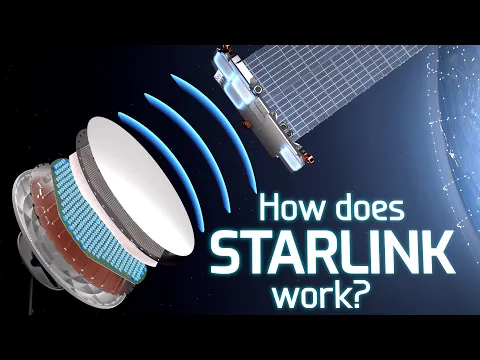
See how Starlink’s internet works