Portuguese
  Spanish


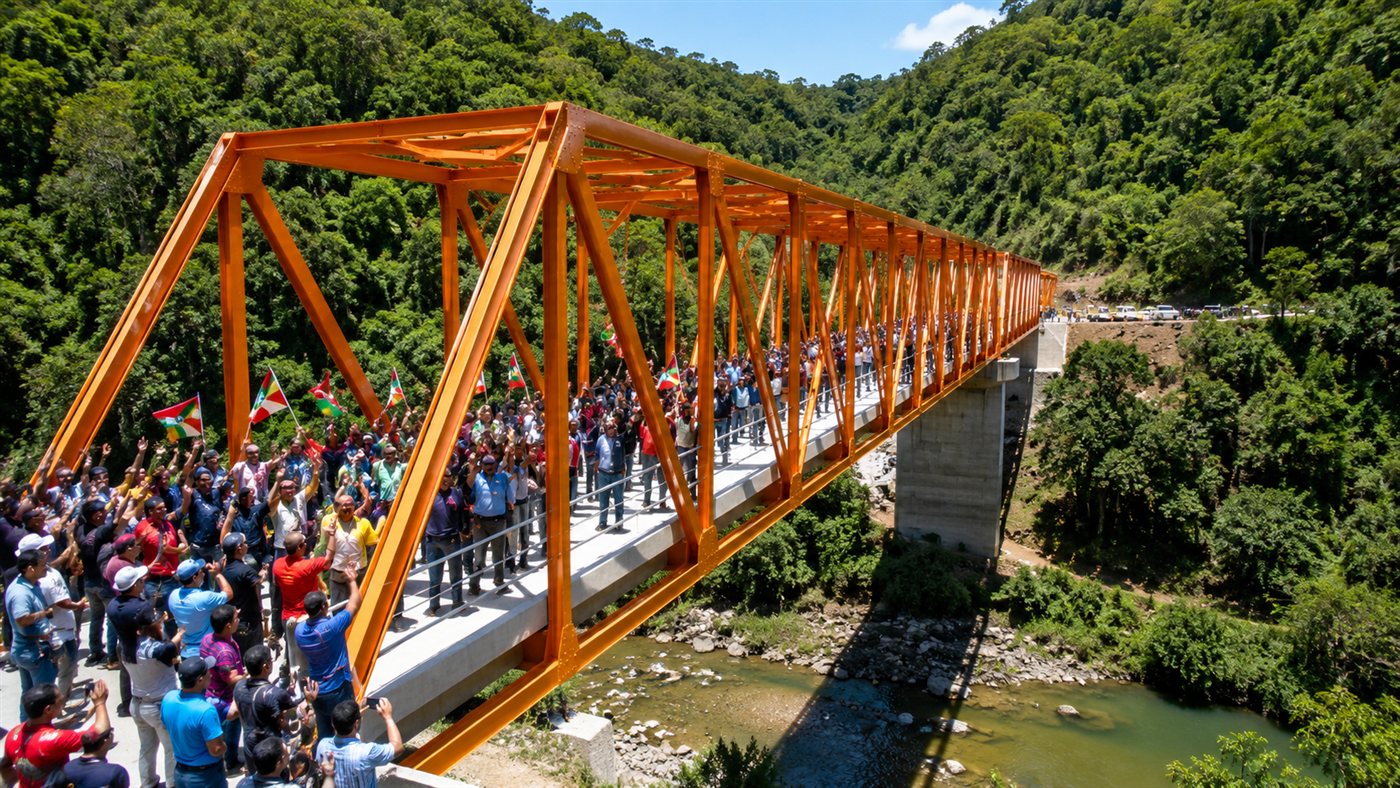

The Friends Association of Nova Roma do Sul raised the Nossa Senhora de Caravaggio bridge with Pix, chapel parties, councilors’ raffle, and company donations, spending R$ 5.72 million from a budget of R$ 6 million
While public works drag on for years, a city in the Serra Gaúcha solved its own problem in 138 days and with crowdfunding. According to Gaúcha, in an interview on January 22, 2024, on the Gaúcha Atualidade program, the community of Nova Roma do Sul raised more than R$ 7 million and delivered the Nossa Senhora de Caravaggio bridge, rebuilt in place of the century-old structure that the waters took on September 4, 2023.
The spirit of the endeavor was summed up in a phrase by the association’s president, Tranquilo Tessaro. If the current generation didn’t have the courage to build the bridge, it would be cowardly, because 93 years ago the ancestors built one without any of today’s resources, as Gaúcha records. The work was delivered on a festive Saturday, below the budget and ahead of any official forecast.
The fall on September 4 and the decision not to wait
The bridge was not a luxury; it was the city’s artery. According to ULBRA TV, in a report from the Fala Rio Grande program on January 23, 2024, the structure over the Rio das Antas, on RS-448, connects the city to Farroupilha, a municipality that is a health reference for residents, and traffic was blocked for the same 138 days that separated the fall from the inauguration.
-
Taiwan Unveils 914-Meter “Impossible” Bridge by Zaha Hadid, Cutting Travel Time by 25 Minutes and Withstanding Severe Earthquakes

-
Engineering Feat in Brazil: 6.4 km Tunnel and Powerful Pumps Overcome 200-Meter Elevation to Save São Paulo’s Cantareira Water System

-
Engineering Students Build Off-Grid Tiny Home with Sustainable Features and Offer Free DIY Guide
-
Historic Brazilian Championship Stadium Demolished for New Supermarket and Shopping Center Development


The reaction began the day after the disaster. The city’s leaders began meeting immediately, and two weeks after the fall, the city’s friends association was born, according to ULBRA TV, with a declared mission: to rebuild the connection on which the local economy and access to health depended in the shortest possible time. In the interview with Gaúcha, the president summarized: the city couldn’t imagine living 6 months or 1 year without the bridge.
The 4 goals: Pix, chapel parties, raffle, and companies
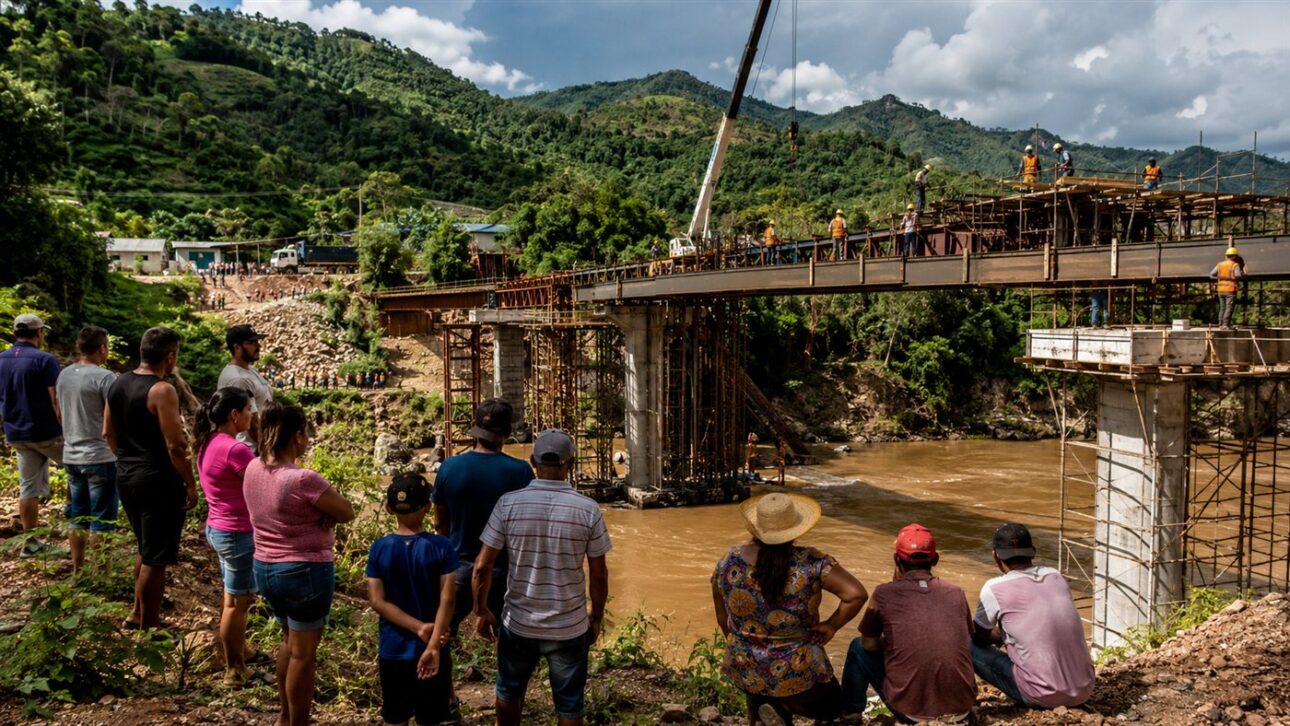
The fundraising turned into a plan with company goals. According to ULBRA TV, the treasurer Heleno detailed the four fronts: the Pix account announced to the entire country, with a goal of R$ 1 million, closed at around R$ 820 thousand, including even improvised raffles by bar owners; the chapel parties, a tradition in the Catholic city, started to allocate 100% of the profit to the bridge and yielded about R$ 620 thousand, with parties that jumped from 300 to 800 participants.
The larger fronts came from the productive sector and a surprise. The raffle organized by the 9 councilors sold 1,900 of the 10,000 tickets at R$ 1,000 each until the eve of the inauguration, and the goal of R$ 2 million in company donations exceeded R$ 3 million, according to ULBRA TV, completed by a R$ 300 thousand contribution from the Sicredi cooperative, the surprise boost that helped close the account, as the president told Gaúcha. Small deposits also counted: there were Pix transactions of R$ 10 and even cents, all thanked one by one.
R$ 5.72 million spent from a budget of R$ 6 million
The financial result would embarrass many bids. According to Gaúcha, the association estimated the project at R$ 6 million and closed the account at R$ 5.72 million, even having done more than agreed: abutments, entrances, complete concreting, and the external protections of the bridge, items that were not even in the original budget.
The fundraising, in turn, surpassed everything. With the latest company donations signaled, the total should reach close to R$ 8.7 million, about R$ 3 million above the cost of the project, according to ULBRA TV. It is the complete reversal of the classic script of Brazilian projects: in the mountains, there was money left over and a lack of bureaucracy.
The hoisting on Christmas night, with 36-hour shifts
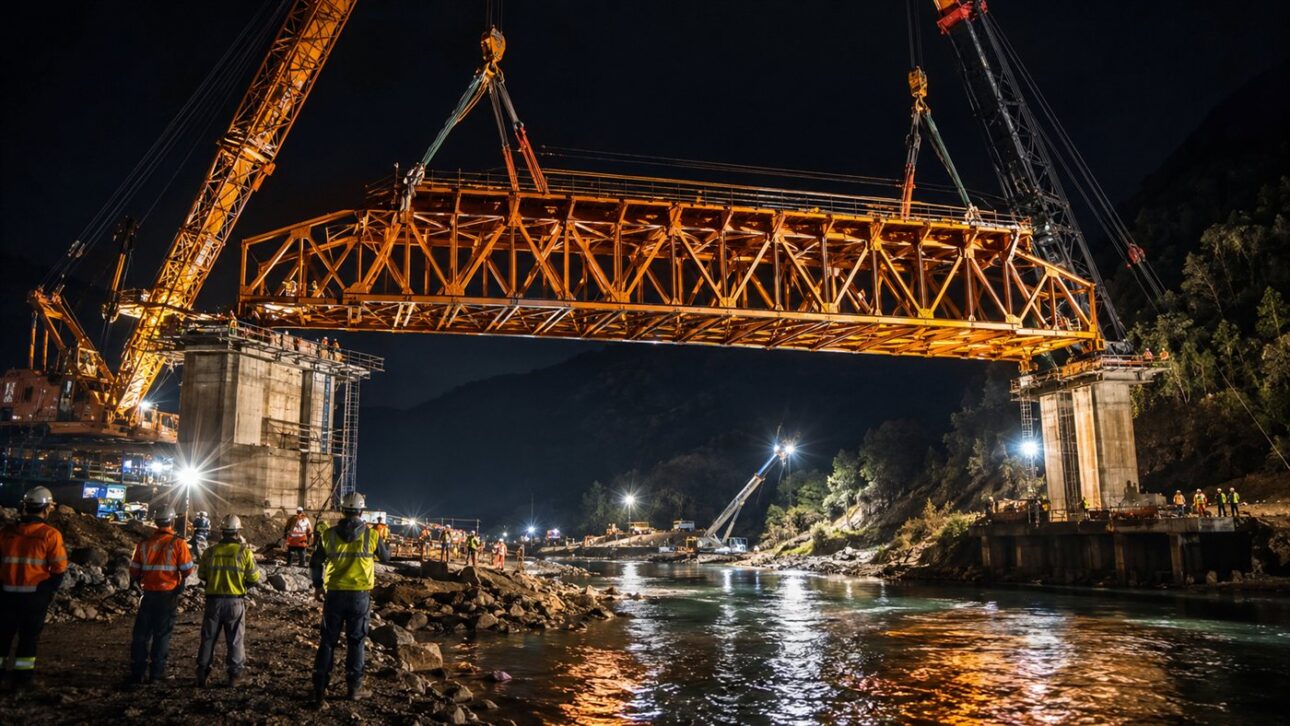
The physical schedule was a race against the river. According to ULBRA TV, the first metal structures arrived on November 15, and the construction site lived with a permanent risk: on November 17, a flood similar to the one that brought down the bridge passed again through the Rio das Antas, and even took away the workers’ locker room and bathrooms set up on the bank.
The decisive moment had a symbolic date. The hoisting began on December 23 with two cranes, one of them positioned almost at river level, and the bridge was raised on Christmas night, with workers pulling 36-hour shifts, as ULBRA TV reports. The rush had a financial justification beyond urgency: any rain could reach a crane valued at R$ 20 million parked at the low river level.
The million-dollar surplus that the 200 members will decide
The destination of the surplus already has an owner: the community itself. According to ULBRA TV, the association has about 200 members, all of whom must be residents of the city, and they will vote in an assembly on where to apply the surplus, in community projects that the board will propose.
The rule of belonging is taken seriously. Those who do not reside in the city cannot join, and the association promises to remain active after the bridge, as ULBRA TV recorded in the interview with the treasurer. To Gaúcha, the president confirmed the same plan: meetings with the community will decide where each remaining real will be applied.
What the public authorities did, and the message from the organizers
The association makes a point of noting that it did not work against the State. According to ULBRA TV, the state government allocated the bridge to the municipality, which passed it on to the association, and Fepam issued an ordinance waiving the environmental license for one year for the reconstruction of bridges taken by the flood of September 4, which unlocked the schedule.
The contrast, however, became an inauguration speech. The same project for a bridge connecting Nova Roma to Veranópolis has been waiting for more than 300 days just for the issuance of the environmental license, and the government promised state reconstruction only for December 31, 2024, as ULBRA TV recorded in the inauguration speech, which ended with a message to the parliamentarians: let this be an example, Brazil can be fixed, and change starts with us.
Why the community bridge became a symbol
The case of Nova Roma do Sul brings together the ingredients that turn a project into a story: a disaster with a date, a small community with a strong associative culture, public fundraising goals, and a schedule that did not depend on public budget. Engineering helped, but the difference was in management: each fundraising front had a person in charge, a goal, and accountability on the day of delivery.
There is also an embedded warning that the organizers themselves make. The model worked because Fepam waived the license and because the State transferred the ownership of the project; without these unlocks, not all the courage of the mountains would have raised the bridge in 138 days. The crowdfunding does not replace the public authorities, it exposes the size of the gap between the community’s pace and the pace of the state machinery.
Watch the community bridge interviews
The two videos tell the complete story: the interview with Tranquilo Tessaro on Gaúcha Atualidade and the inauguration report with the treasurer Heleno on Fala Rio Grande.


The Nossa Senhora de Caravaggio bridge was completed with money from centavos Pix, chapel party, and councilor raffle, and it made it to the list of the fastest constructions in Rio Grande do Sul post-flood. Tell us in the comments: would your city be willing to build a bridge by hand like Nova Roma do Sul did?