Portuguese
  Spanish


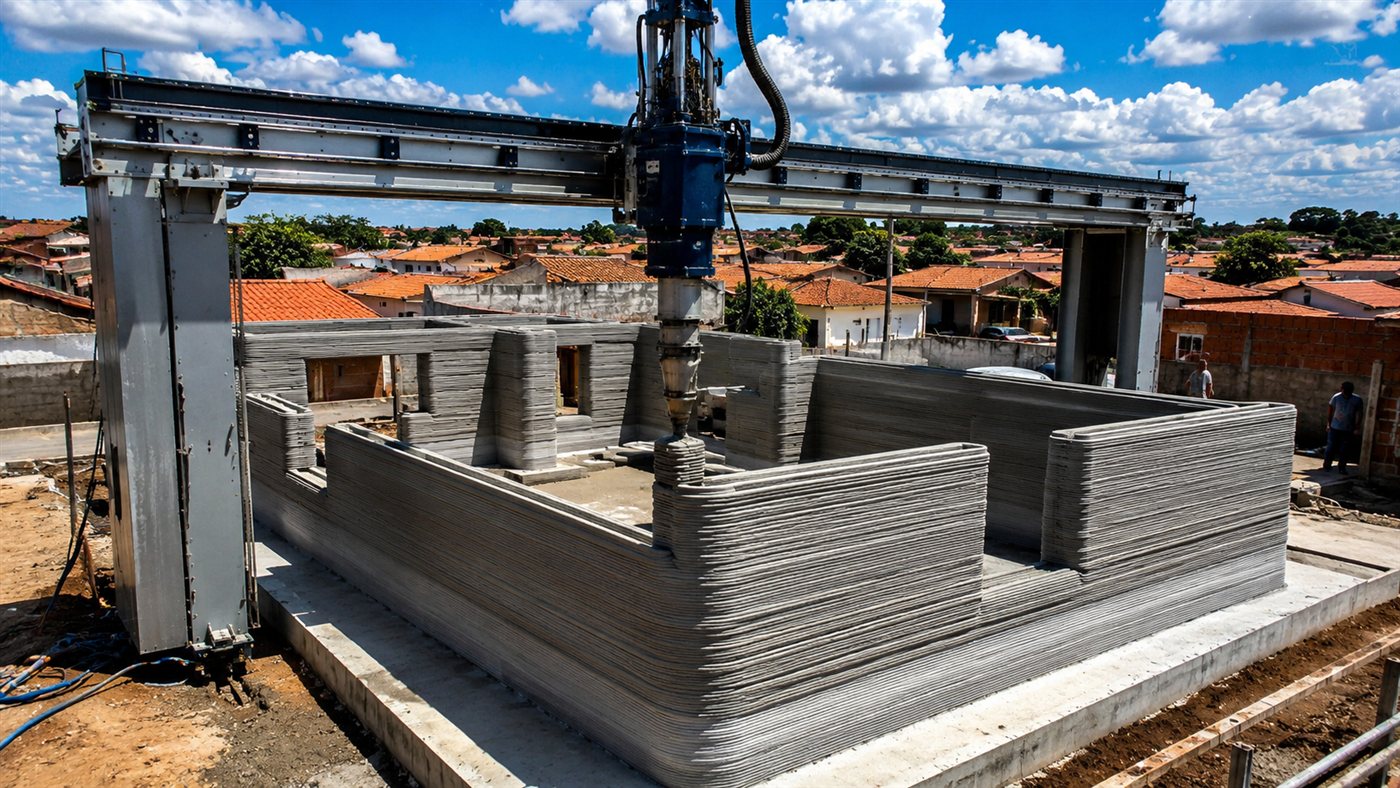

The company Home 3D developed its own printer and concrete, printed the house on the land in Mato Grosso, and passed the tests of the Senai Institute of Technology before targeting affordable housing, schools, and hospitals
Those who pass by see an ordinary house, with a balcony, sturdy walls, and traditional construction finish. According to Record News Sinop, in a report from January 7, 2025, the residence of just over 60 square meters built in Sinop, in the north of Mato Grosso, is the first house built by 3D printing in Brazil, and it was completed in about 30 hours of printing.
The detail that reveals the revolution is in the texture. The layered stripes visible on the balcony reveal that the entire residence came from a machine that deposits layers of concrete, one on top of the other, until the entire house is built, as shown by Record News Sinop. The construction company responsible is Home 3D, based in the same city and a pioneer of the technology in the country.
How the 10-meter printer builds the house
The machine is a giant of precision. According to Senai Mato Grosso, in a video from February 20, 2025, about the technical support for the project, the printer is 10 meters long by 5 meters high, is installed on the site, prints the house on location, and then leaves, leaving the construction ready in place.
-
Parker Solar Probe Discovers High-Speed Dust Grains Near the Sun, Offering New Insights into Solar Corona’s Mysteries

-
Google Revives Historic Hangar for Cutting-Edge Tech in Silicon Valley: Once Built for a “Flying Aircraft Carrier,” Now a Hub for Drones and Robotics
-
Son of Brazilian Farmers Develops AI Robots in Arizona, Wins $175,000, and Tests Machines for Farming Tasks Amid U.S. Labor Shortage
-
Canadian Student Wins $50,000 at World’s Largest Youth Science Fair with AI-Powered Sea Turtle Robot Hunting Microplastics and 3D Holographic Camera Exposing Ocean Threats



The system has two cores. On one side, the concrete plant set up in a container ensures that the mix always comes out with the same fluidity and quality; on the other, the printer’s nozzle deposits layer upon layer following the design, as detailed by Record News Sinop. Both the machine and the special concrete were developed by Home 3D itself, which turns the house in Sinop into a showcase of 100% national technology.
30 hours of work and only 2 operators
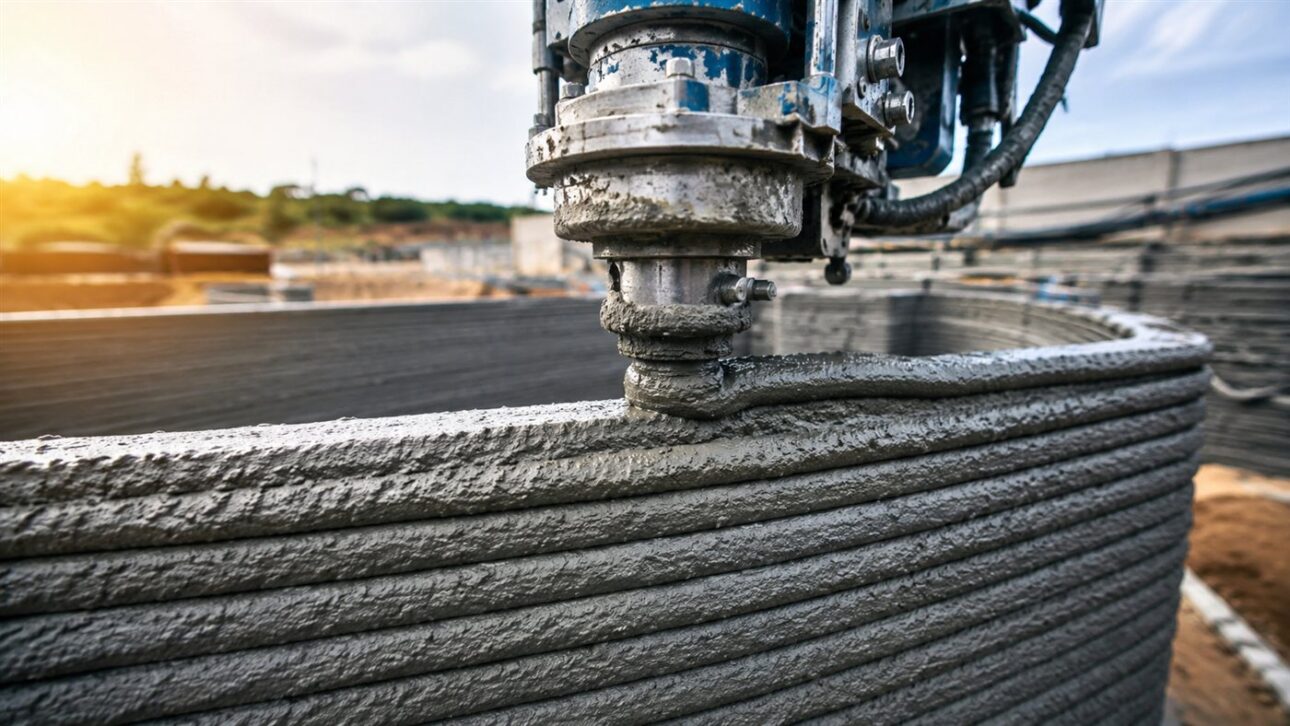
The numbers on the construction site seem like a printing error, but they are the central point of the business. According to Record News Sinop, the operation requires only two people: one responsible for the plant, who takes care of the mix, and a printer operator, who monitors the machine while it works.
The comparison with traditional construction explains the sector’s enthusiasm. The construction time plummets, the amount of labor shrinks, and several human errors are removed from the process, with gains in productivity and standardization, as Record News Sinop reports in the words of engineer Ederson, the project’s creator. There is also an ergonomic gain: the heavy load that punishes the construction worker’s body is transferred to the machine.
Up to 20% Cheaper: Where the Savings Come From
The final price is the argument that speaks to the buyer. According to Record News Sinop, houses built by 3D printing can cost up to 20% less than traditional constructions, a difference that arises from the combination of reduced time, less labor, and almost zero waste.
Sustainability is part of the same equation. The machine is designed to inject exactly the volume of material needed, reducing the surplus that in conventional construction turns into debris, as Senai Mato Grosso reports. In Brazilian construction, where waste is an invisible cost embedded in every square meter, printing only what is used is double savings.
The Tests That Proved the Wall Holds Up
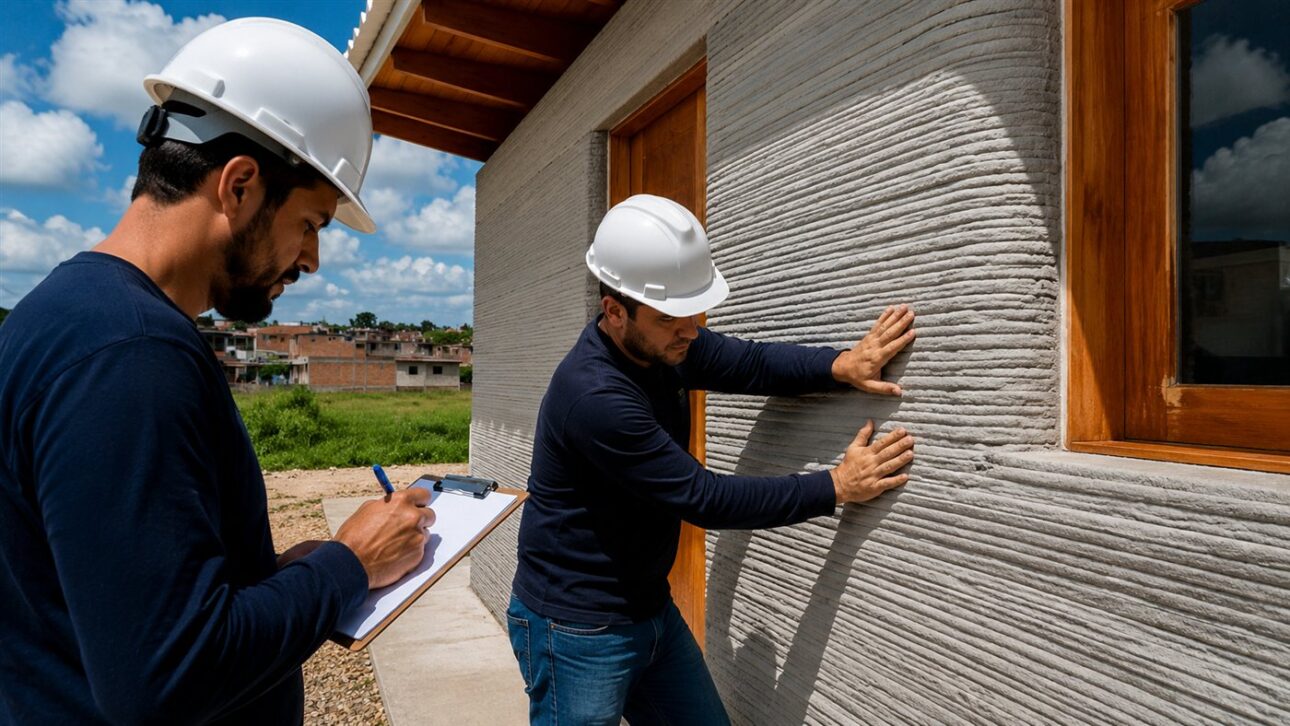
A house is a serious matter, and the project treated validation as a construction phase. According to Senai Mato Grosso, the technical team of the Senai Institute of Technology conducted laboratory tests in the civil construction area, from material evaluation to performance standards, and tested the resistance of the walls on-site with weights exceeding 80 kilograms.
The goal goes beyond the technical seal. Norm validation is the path for the company to access public financing and apply the 3D printing model in affordable housing, as Senai Mato Grosso highlights. In the words of the creator recorded by Record News Sinop, the printed house has the same technical and structural quality as a conventional construction, subjected to tests before and after completion.
The Problem the Machine Tackles: Labor 69% More Expensive
3D printing did not arrive to solve a whim, it arrived to respond to a crisis. According to Senai Mato Grosso, the cost of labor in Brazilian civil construction rose 69% in 10 years, according to the IBGE index cited in the report, and was the main factor driving sector costs in the recent period.
The testimony of those who have been on the construction site for decades sums up the squeeze. A builder with 40 years in the field reports the scarcity of bricklayers, carpenters, electricians, and plumbers, while young people lose interest in technical training, as shown by Senai Mato Grosso. It is in this gap that the printer enters: not to replace the existing professional, but to cover what is already lacking.
From affordable housing to schools: where 3D printing arrives now
The company’s plan does not end at the wall of the first house. According to Record News Sinop, the technology serves any type of construction: basic health unit, school, and whatever else the project requires, with the same logic of printing on-site.
Regional recognition came before national fame. In 2024, the project was awarded in a regional micro-entrepreneur incentive program, which selected more than 20 ideas and mentored the finalists for 5 months, as Senai Mato Grosso reports, validating investment, financial analysis, and target audience. The house in Sinop took the lead; the bet now is that 3D printing becomes a routine option in the Brazilian construction menu.
What changes for those who are going to build
For the consumer, the arrival of the technology creates a concrete alternative at the budget’s end. A 60 square meter house that is ready in days, with fewer people on the site and the potential to cost up to 20% less, changes the comparison standard for those planning to build in cities where labor is expensive or simply does not exist.
The usual caveat still applies. The real savings depend on the land, the chosen finish, and the logistics of bringing the printer to the site, and the current market phase is still one of validation and scale. But the milestone is set: the first house built by 3D printing in the country was not born in a research center in the Southeast, it was born in the interior strong in agribusiness and lacking bricklayers, where the problem the machine solves is felt every day.
It is also worth noting the pattern that repeats in major technological shifts in construction: first comes the expensive and skeptical prototype, then the technical validation, and only then does the scale bring down the price. The house in Sinop has just completed the first two stages in sequence, with the endorsement of laboratory tests and the standard of performance norms. If the third stage comes at the promised pace, the scene of the printer parked on the site may become as common as the concrete mixer, and the printed square meter will compete for budget on equal terms with the brick in any medium-sized city in the country.
Watch the report on the printed house
The videos show the finished house, the printer in operation, and the technical tests that validated the walls.


The house in Sinop sums up the new chapter of national construction: concrete developed here, machine developed here, and a labor shortage that, for the first time, found a response matching its urgency. Tell us in the comments: would you live in a house printed in 30 hours?