






 Portuguese
  Spanish




Understand The Feature That Turns Off The Car Engine At Stops To Reduce Pollutant Emissions And See If It Really Helps Save Fuel.
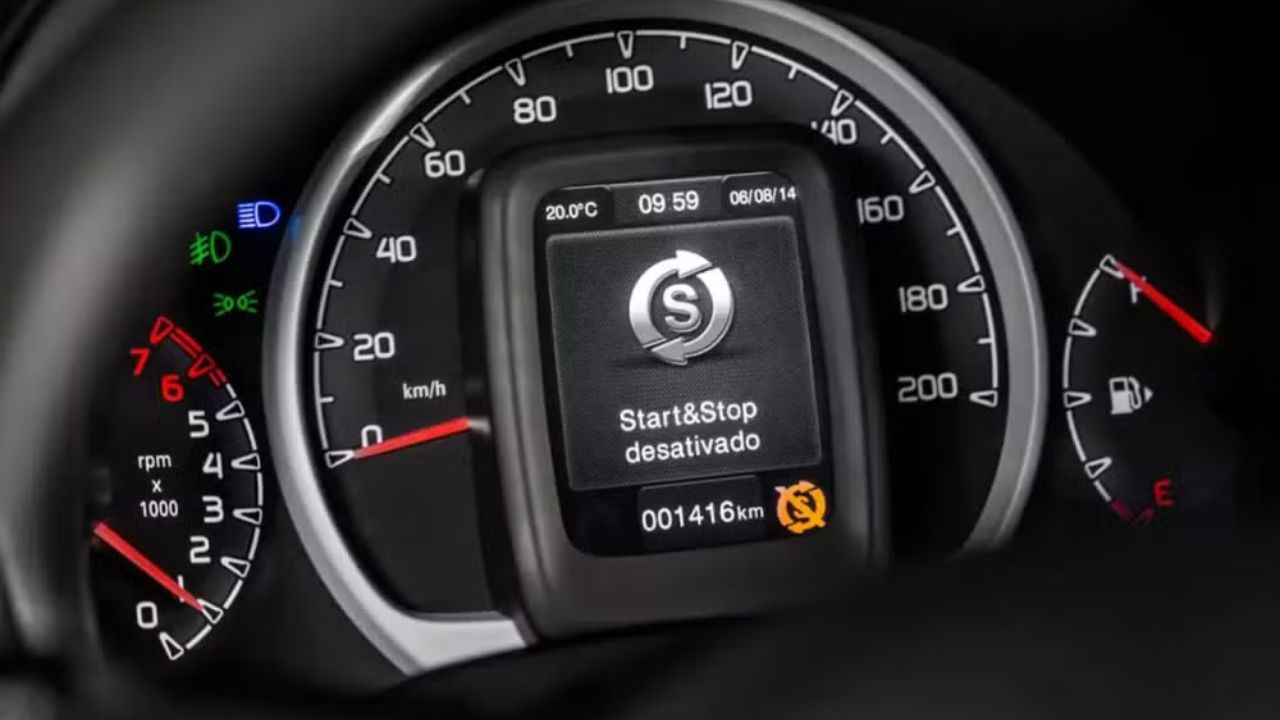
Many drivers of modern cars have already noticed something: the engine turns off by itself at stops, such as at traffic lights. When accelerating, it starts working again. This is the start-stop system. But what is it for? Does it help save? Is it possible to turn it off? We will explain everything below.
What Is The Start-Stop System And How Did It Come About?
The start-stop is an electronic system present in newer cars. Its function is to automatically turn off and turn on the engine under specific conditions. The technology emerged to meet a need. Manufacturers needed to reduce the emission of polluting gases. The system is a tool to meet global energy efficiency goals.
How Does Start-Stop Work In Practice?
The operation of the start-stop depends on several sensors. They monitor the engine, the battery, the steering, and even the seatbelt. An electronic control unit analyzes this information. The engine only turns off when the system confirms that the stop is safe for the occupants.
-
Sales of Brazil’s Cheapest Electric Car Halted Before First Deliveries: E-Motors Suspends Emova Easy Due to Import Tax Increase and Rising Freight Costs

-
Nissan Discontinues Qashqai SUV Amid Cost-Cutting, Chinese Competition, and Product Line Review

-
BYD Patents Revolutionary System Using Computer Vision to Detect Animals Under Cars Before Starting, Preventing Tragedies

-
Study Reveals Why Cars Are More Expensive to Produce and Buy in Brazil Compared to Mexico, Highlighting Taxes, Logistics, and Industrial Costs as Key Factors.



To do this, cars with start-stop come with special parts. The battery is of the AGM or EFB type, which are more resistant to many charge cycles. The starter motor is also reinforced to withstand constant starts, and in some cases, the alternator is more sophisticated.
What Is The Main Function Of Start-Stop?
The main function of start-stop is to reduce pollutant emissions. Automakers use the feature to comply with environmental laws. Keeping the engine running releases gases into the atmosphere, even when the car is stopped. The system is designed for the heavy traffic of cities. In the “stop-and-go” of urban centers, it helps to reduce local pollution.
Does The Start-Stop System Really Save Fuel?
Yes, the start-stop also helps save fuel. An idling engine consumes fuel without moving the car. The system eliminates this waste by turning off the engine. A study by SAE International showed that savings vary. In tests, cars became between 7.3% and 26.4% more economical, depending on the driving cycle.
Is It Possible To Turn Off Start-Stop? And Does It Damage The Battery?
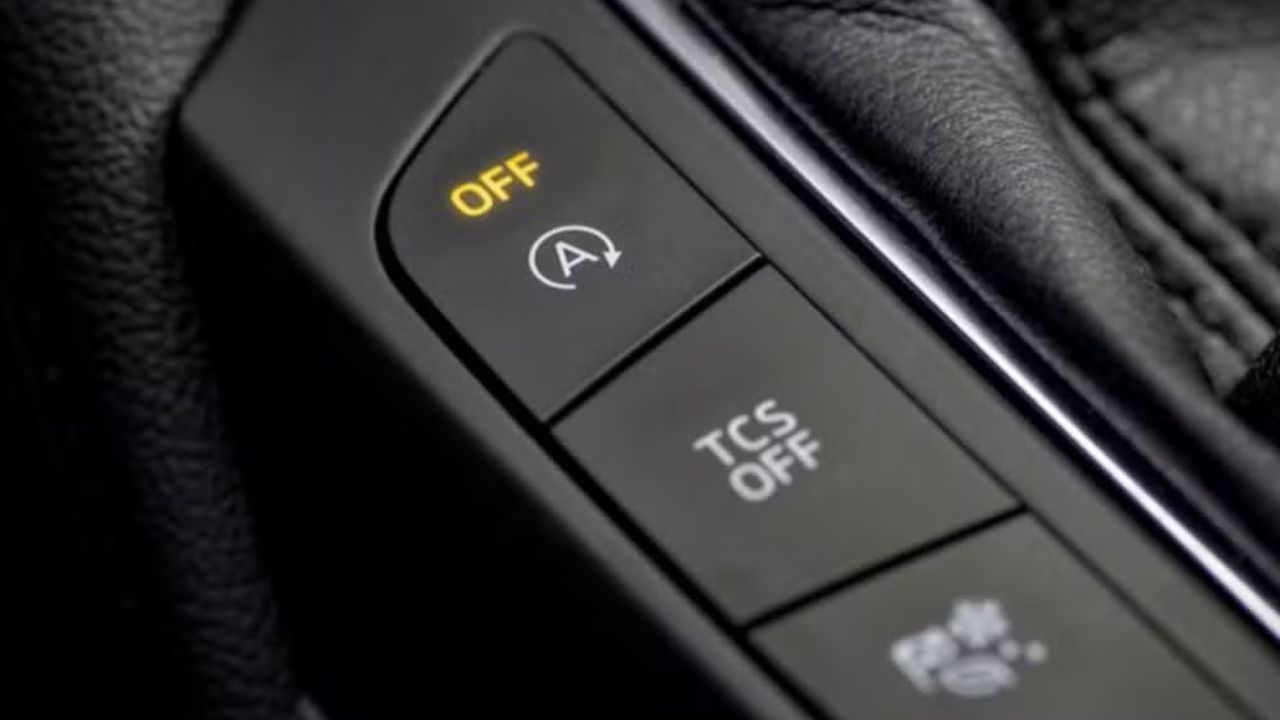
Many drivers prefer not to use the system. This happens because the air conditioning loses power when the engine turns off, since the compressor is powered by the engine. For this reason, almost all cars offer an option to deactivate start-stop. Generally, there is a button on the dashboard. It is identified by the letter “A” inside a circular arrow.
As for the battery, the idea that start-stop damages it is a myth. Cars with this technology use special and reinforced batteries. They are designed to withstand multiple charge cycles. Therefore, the system does not damage the battery, but it is important to know that these special batteries have a higher cost than conventional ones.









Tenho um Kwuid que trabalho com Uber. A economia é enorme. Discordo totalmente desses comentários de quem nem usa mas quer criticar. Ele nem tem tempo pra desligar mas é sensível aos pedais. Quando uso a 99, o consumo chega a ser menor, porque o app tem os principais semáforos com a contagem de tempo. Faço média de 15 km com álcool na cidade.
Não tem utilidade nenhuma, além das peças do sistema serem muito carras. A economia proporcionada é quase nula no final de um mês.
Não adianta nada fica só 30 s a 1 minuto,