Portuguese
  Spanish



Three Cars, Three Phenomena: How Xiaomi SU7, Lynk & Co 01, and Baojun 510 Exploded in Sales Early On and Changed the Rules of the Game
In an automotive market that is increasingly fast and competitive, some cars did not wait weeks or months to achieve success. They went straight to the top of sales within hours of their launch.
This is the case for three models that have gone down in history for their explosive commercial performance: the Xiaomi SU7, the Lynk & Co 01, and the Baojun 510. Each, with its unique characteristics, demonstrated how consumer desire can quickly turn into impressive numbers.
Xiaomi SU7: A Sensation in the First 24 Hours
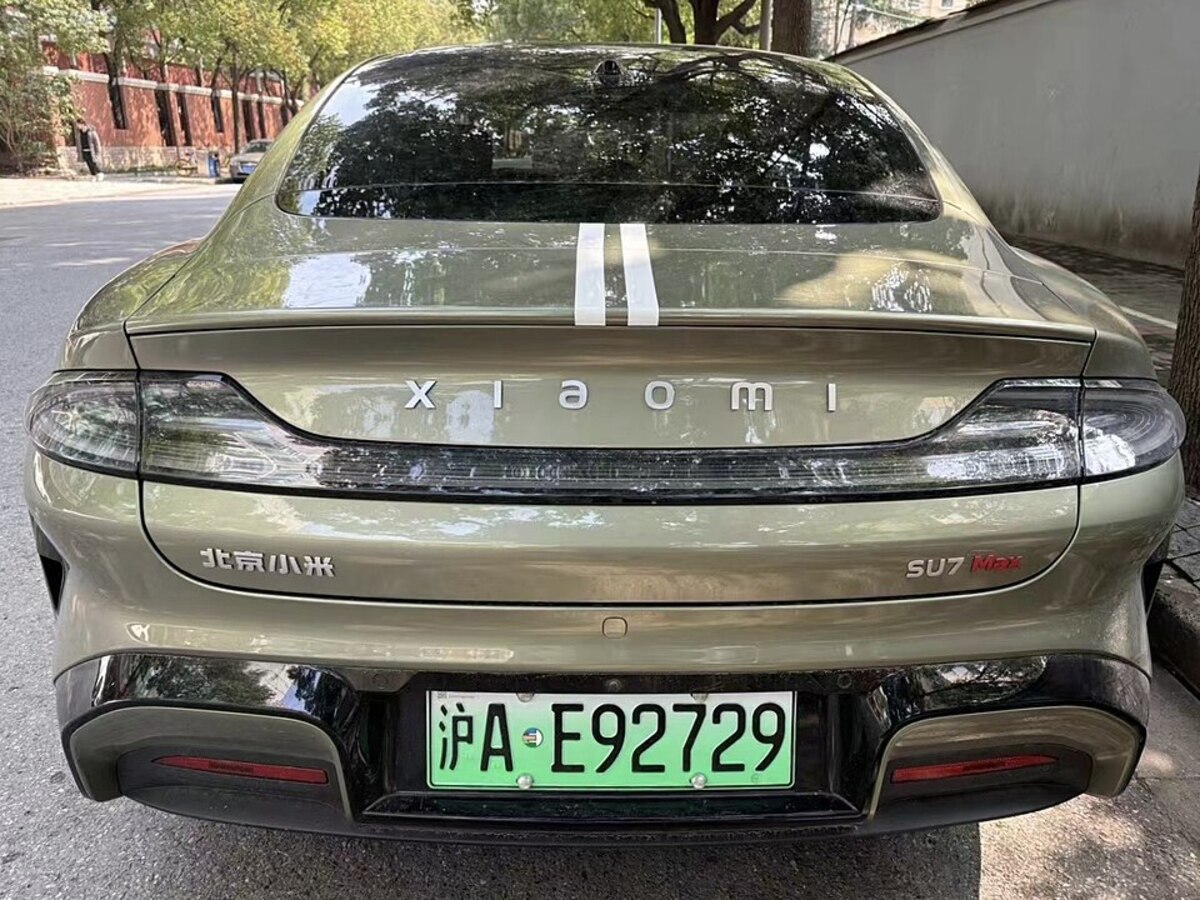
The electric sedan Xiaomi SU7 was launched on March 28, 2024. In just 24 hours, the model received 88,898 orders.
-
Suitcase-sized hydrogen engine spins at 25,000 rpm, nearly doubling the efficiency of conventional cars and replacing exhaust smoke with water vapor

-
1983 Chevrolet Runs Over 100,000 km Without Gasoline, Powered by Wood Chips, Reaches 125 km/h in Airport Test

-
Workshop Converts Giant Tractor Tire Tricycle into a Three-Wheel Drive Hybrid with 36,000-Watt Electric Motor Capable of Climbing Hills

-
Sales of Brazil’s Cheapest Electric Car Halted Before First Deliveries: E-Motors Suspends Emova Easy Due to Import Tax Increase and Rising Freight Costs




The immediate success can be explained by several highlights: the sporty design, a competitive price starting at US$ 30,000, and strong integration with the Xiaomi ecosystem.
The brand already had a strong presence among young consumers, and this was decisive for the outcome. The SU7 is a bet by the company to unite electric mobility and technology, and the initial numbers show that the formula worked.
Lynk & Co 01: 6,000 Cars in Two Minutes
Another sales phenomenon was the plug-in hybrid SUV Lynk & Co 01. Launched on November 17, 2017, it reached 6,000 orders in just 2 minutes and 17 seconds.
One of the secrets to its success was the online and direct-to-consumer sales model. The strategy of offering subscriptions and the brand’s digital presence created an ideal environment for a lightning launch.
The 01 became an example of how innovation in sales channels can impact market performance.
Baojun 510: Domination in the Chinese Market
The third highlight is the compact SUV Baojun 510. Launched in February 2017, it achieved sales of 416,883 units in its first year.
The model combined affordable pricing and attractive design, with a strong presence in the Chinese market. The strategy was successful in reaching consumers looking for a modern and economical vehicle.
These three vehicles are clear examples of how technology, marketing, and timing can transform a launch into a phenomenon. The market changes quickly — and those who understand the consumer from day one get ahead.