Portuguese
  Spanish





An Unprecedented Global Crisis Threatens The Taste Of Traditional Bottled Orange Juice. Climate Problems, Diseases In Crops And Rising Prices Indicate A Lasting Transformation In The Product That Is Part Of The Routine Of Millions Of People.
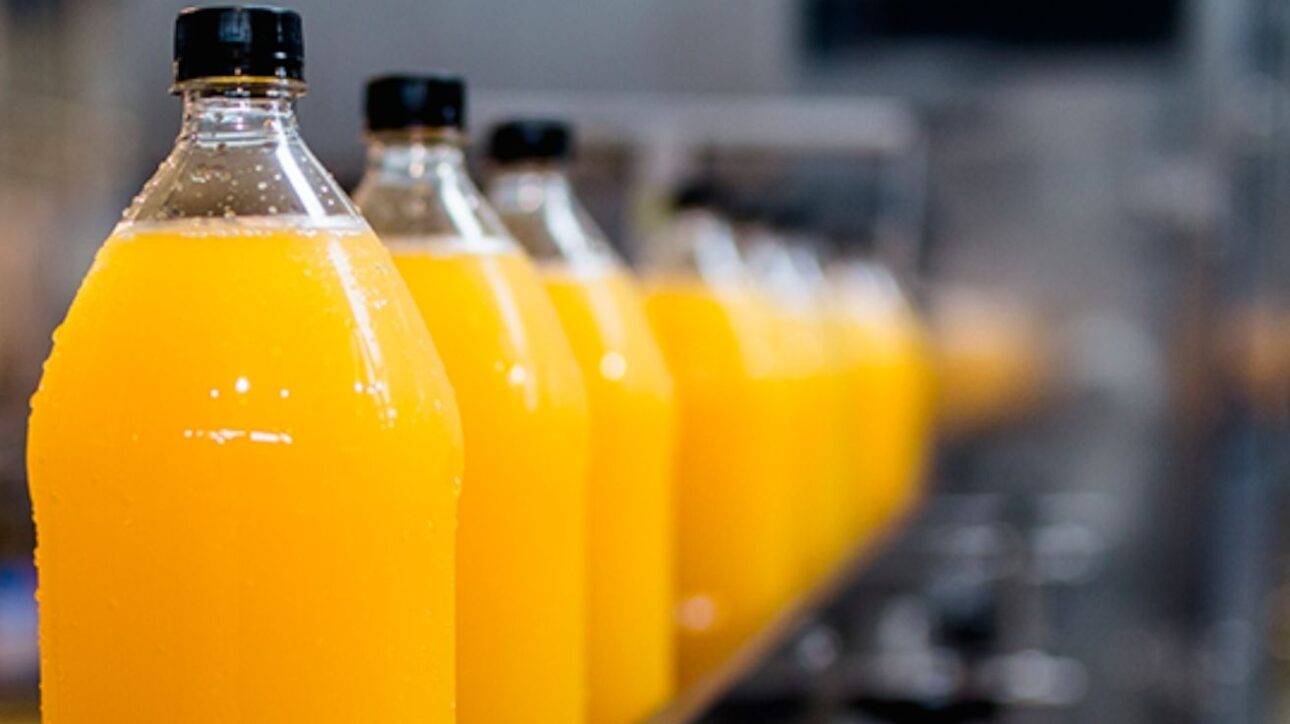
The bottled orange juice, an icon of breakfast, faces an unprecedented crisis: historic drop in global production, growing adoption of flavorings and increase in natural additives, all to maintain flavor and consistency.
In Brazil, the largest producer and exporter in the world, the 2024/25 crop is plummeting and will further pressure stocks and consumers.
Global Orange Juice Production In Collapse
Global orange juice production reached its lowest level in nearly four decades, due to the advance of the greening disease and extreme weather conditions.
-
Chinese Farmers Develop “Blanket Greenhouses” to Grow Vegetables in Extreme Winter Without Heaters

-
Centuries Before Modern Greenhouses, English Gardeners Used Horse Manure to Grow Pineapples in Cold Climates

-
Sugarcane Cultivation in India: A Symbol of Water Stress and Environmental Strain Amidst Global Demand for Sugar and Green Fuel
-
Innovative Farm in Northeastern Brazil Combats Drought with Advanced Techniques, Aiming for 10,000 Liters of Milk Daily Production



In Brazil, estimates from CitrusBR point to a crop of only 8.8 million tons in the 2024/25 season — down from 12.5 million in the previous cycle, according to the USDA.
If confirmed, it will be the lowest harvest in 30 years.
In the United States, Florida is facing its worst harvest since 1930, with a drop of about 30%, exacerbated by hurricanes and trade tariffs.
This scenario of reduced supply has inflated prices.
The price per ton of oranges on the New York Stock Exchange went from US$ 1,119 in 2019 to US$ 5,364 in 2024 – an increase of over 380%.
In Brazil, the price of the box rose from R$ 58.70 in January to R$ 136.51 in November 2024, according to Cepea/Esalq.
Orange Juice Industry Bets On Flavor Packs And Natural Additives
To maintain the flavor of the juice, industries such as Kerry Group and IFF have increased the use of flavor packs, concentrated aromatic components repurposed from oranges.
This technique, developed during World War II, allows standardization of aroma even with low quality of the fruit.
Due to scarcity, many of these flavor packs no longer use citrus derivatives.
The company PeelPioneers, for example, transforms orange peels discarded by restaurants into aromatic raw material.
Kerry launched the JuiceXcel program, which uses natural additives to maintain flavor with less concentrated juice.
Exports And Global Consumption In Decline
The crisis has drastically reduced the volume exported by Brazil.
In the 2024/25 crop, the country shipped 430,000 tons of juice — a drop of 19.7% compared to the same period last year.
The European Union, the largest buyer, has reduced its imports by nearly 12%.
Even with the drop in volume, revenue increased by 42.7%, reaching US$ 1.88 billion, driven by high prices.
With the product becoming more expensive, global consumption also declined.
In Europe, volume dropped by 15% to 20% in 2024.
In the United States, per capita juice consumption has fallen by more than half since the 1990s.
Frozen concentrate, which once cost less than R$ 33 per kilo, reached almost R$ 55 in February 2025.
Brands Adopt Strategies To Secure Market
Brazilian companies are adapting their products to reduce costs.
Among the measures are:
- Blends with mango juice.
- Dilution with water to create nectar-type beverages.
- Reduction of packaging from 1 liter to 700 milliliters, keeping the final price more accessible.
Outlook For 2025/26: Moderate Improvement
The forecast for the 2025/26 crop is recovery.
According to Fundecitrus, production could reach 314.6 million boxes, an increase of 36% compared to the previous season.
This growth is due to more favorable weather and improved orchard management.
Still, stocks remain low.
Diseases such as greening and climate events continue to threaten production stability.


Price Increases May Continue
In the U.S., a 350 ml bottle cost US$ 2.30 in 2020 and reached US$ 4.50 in March 2025.
Analysts point out that, even with slight rebalancing, prices will remain pressured by low stocks and high costs.
Risk Of Permanent Abandonment By Consumers
Experts warn that the crisis may cause a definitive change in consumption habits.
Even if production recovers, the loss of consumers may be irreversible.
Kees Cools, president of IFU, stated: “Orange juice is part of a healthy lifestyle for many consumers, but it needs to be affordable, and at the moment, it is not.”
And you, do you feel a difference in the taste of the juice you buy? Do you think it’s worth paying more or would you rather look for alternatives?