Portuguese
  Spanish


The research by Uece with powdered coconut water will leave the laboratory and reach industrial scale in Ceará, with a biofactory in Jaguaretama, capacity for 2 thousand liters per day and focus on populations in nutritional vulnerability.
A research project by the State University of Ceará (Uece) initiated over 40 years ago is about to become industrial-scale production. The university is preparing to inaugurate the first biofactory dedicated to processing powdered coconut water and dairy compounds, in Jaguaretama, in the interior of Ceará, with a start planned for the end of the first half of 2026.
The project takes a technology born in the 1980s out of the laboratories, which over time has gained new applications in nutrition, health, and biotechnology. The idea now is to transform scientific knowledge into a real-use product, especially for children, the elderly, and hospitalized patients.
According to UECE, the proposal also marks an important change in the research trajectory: moving from the bench to achieve continuous production, with direct impact on sensitive areas of health and nutrition.
-
Scientists Develop Needle-Free Insulin That Penetrates Skin, Reduces Glucose in Animals Within an Hour, Paving the Way for Diabetes Patches and Creams for Humans

-
Queen Guitarist Brian May Collaborates with ESA Scientists to Study Asteroids Bennu and Ryugu Using 3D Simulations
-
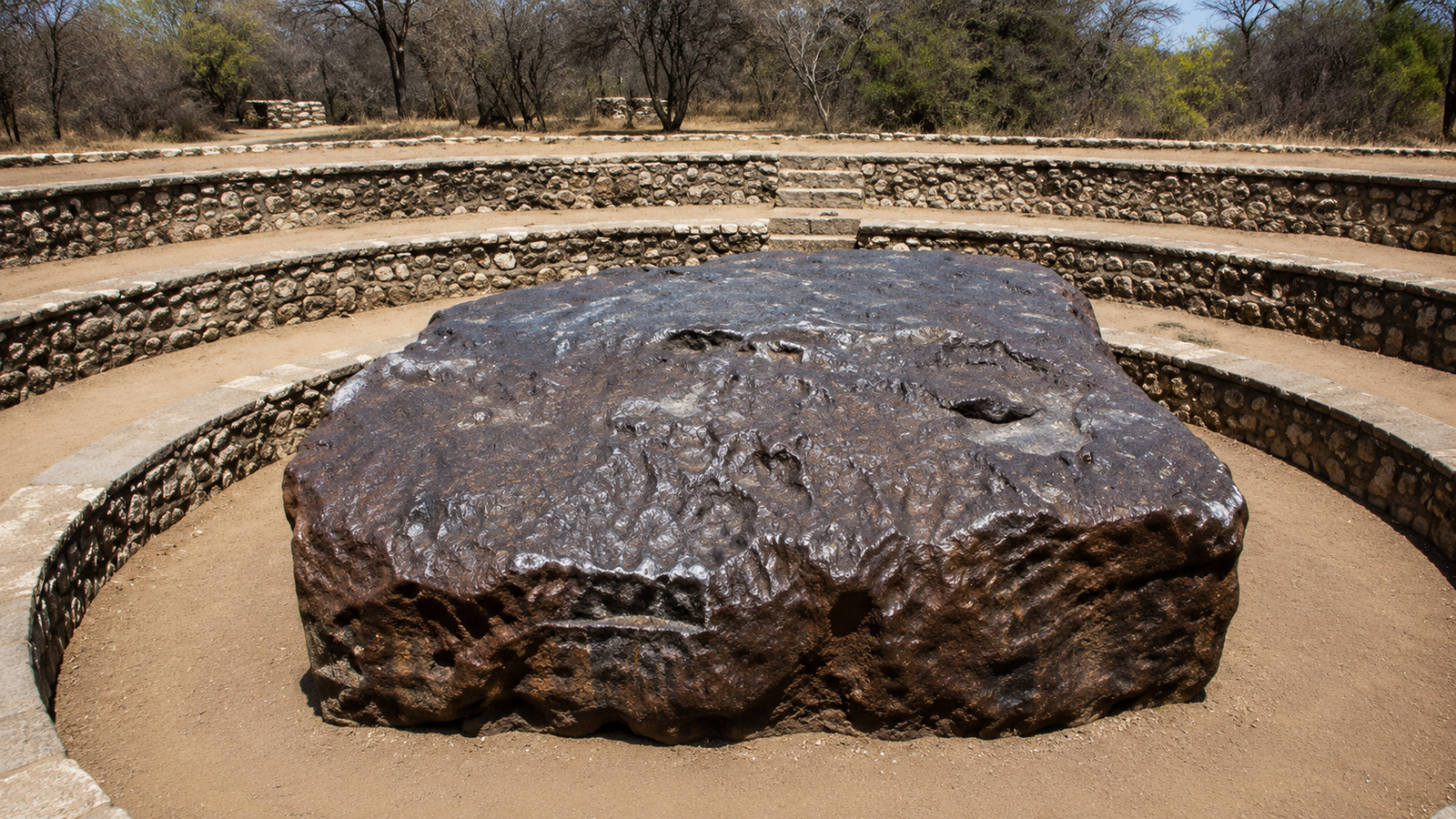
Largest Known Single-Piece Meteorite, Weighing 60 Tons, Puzzles Scientists with Its Intact Fall and Lack of Visible Crater

-
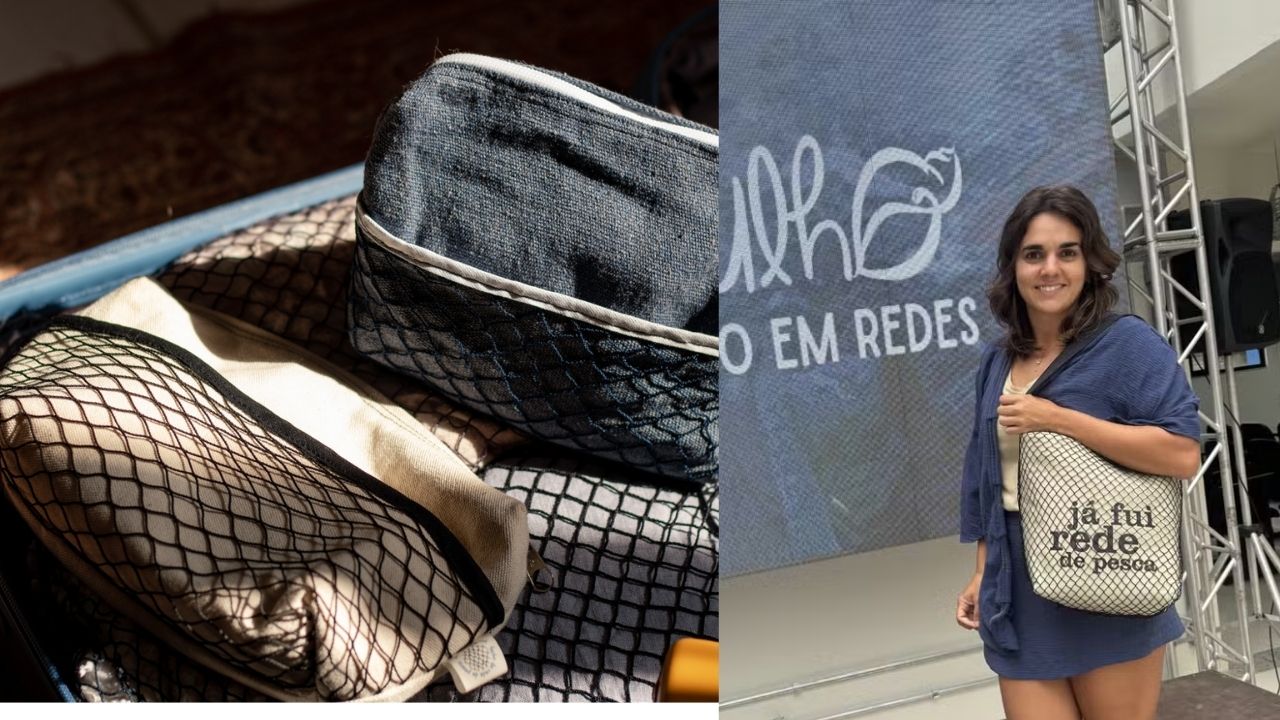
Oceanographer Turns Abandoned Fishing Nets from Brazilian Waters into Bags, Creating Jobs and Earning Over $7,000 Monthly


From a study in the 1980s to a patented product
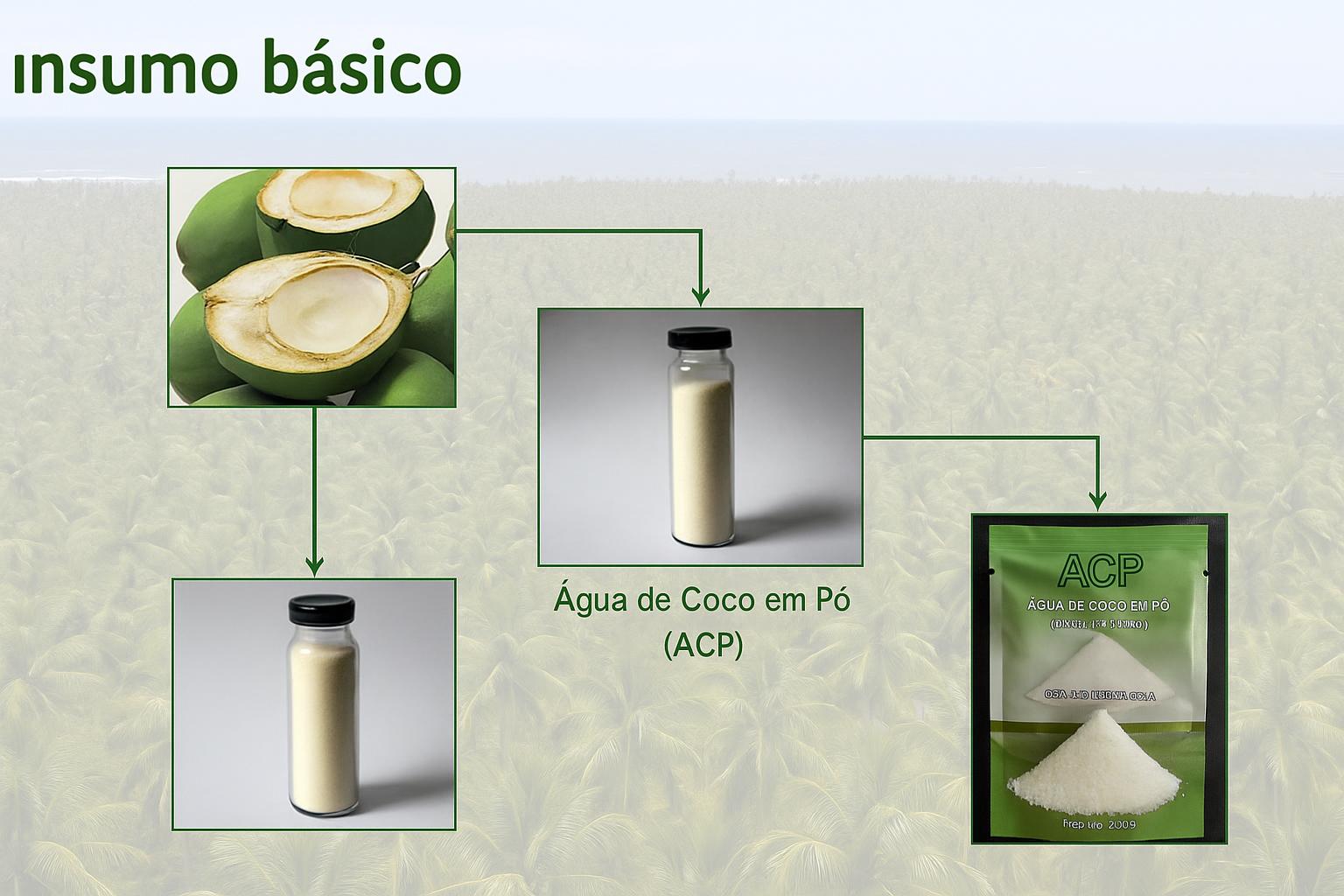
The origin of the technology is in the laboratories of the Uece Faculty of Veterinary Medicine, from the work of emeritus professor José Ferreira Nunes. The first research used coconut water in processes for preserving goat and sheep semen, within animal reproduction biotechnology.
This path led to Brazil’s first international biological patent in the field of animal reproduction. Over the years, the research line moved beyond just the “in natura” use of coconut water and advanced to powdered coconut water, opening up new application fronts.
It is in this evolution that ACP Lacte enters, a nutritional compound developed from the combination of powdered coconut water and goat milk. The technology had a patent filed in 2019 by the group linked to the university.
Biofactory in Jaguaretama will process 2 thousand liters per day
The industrial unit will be installed in Jaguaretama, a city already known for its goat farming tradition. The project plans to have the capacity to process about 2,000 liters of raw material per day, a number that illustrates the transition from research to large-scale production.
Besides the scientific significance, the choice of the municipality also aligns with the local production chain. The implementation brings together partners such as Instituto Ecoco do Brasil, the Association of Goat and Sheep Farmers of Jaguaretama (Capritama), and the Agroindustrial Cooperative of the Jaguaribe Valley (Cooprivale).
In practice, the biofactory connects the university, the productive sector, and family farming around a single product. Uece states that this collaboration strengthens technology transfer and expands the reach of what has been developed over decades.
Product targets children, the elderly, and hospitalized patients
The ACP Lacte was designed primarily to serve people in situations of nutritional vulnerability. Among the mentioned groups are children, the elderly, and hospitalized patients, groups that often require specific dietary support.
According to the publication “Biotechnologies of Coconut Water: 41 Years of Research Innovations,” organized by professors Cristiane Clemente de Mello Salgueiro and José Ferreira Nunes, the bioproduct represents an attempt to address social problems, particularly in combating protein hunger.
Beyond nutrition, the line of research has also advanced into other areas. Clinical studies reported in the publication indicate promising results of ACP Derma in treating chronic wounds, including cases of diabetic foot, with reduced healing time.
A scientific front that already totals 12 patents
Over more than four decades, the group has accumulated dozens of scientific projects, hundreds of published articles, and 12 patents related to the biotechnological use of coconut water. The outcome helps explain why the research gained enough momentum to reach industrial scale.
The journey also intertwines with the strengthening of postgraduate studies and biotechnology research at Uece. José Ferreira Nunes was one of the key figures in the creation of the Northeast Biotechnology Network (Renorbio), where the university was the focal point of the general coordination between 2006 and 2011.
Now, with the biofactory scheduled for 2026, powdered coconut water ceases to be just a laboratory bet and opens the path to the market and health applications. If the project progresses as planned, Ceará could gain a new innovation hub based on science developed within the university.
Want to follow other Brazilian research projects that transition from the lab to product? Keep following our upcoming publications and share this article.