






 Portuguese
  Spanish



Brazilian Navy Purchase Without Bidding Reignites Debate on Arms Importation and Risks to National Defense Industry.
The importation of arms carried out by the Brazilian Navy, through the purchase of 140 foreign-made rifles, provoked an immediate reaction from Taurus, the largest manufacturer of small and tactical arms in Latin America.
The acquisition took place in November, cost R$ 1.3 million, was made by waiver of bidding, and, according to the Brazilian company, ignores the existence of equivalent national production.
The debate involves industrial sovereignty, international competitiveness, and the direction of the national defense industry, especially in a global scenario of trade tensions.
-
U.S. Navy’s Ticonderoga-class Cruiser Becomes a 9,800-Ton Missile Fortress with Advanced Aegis System Capable of Tracking Hundreds of Targets

-
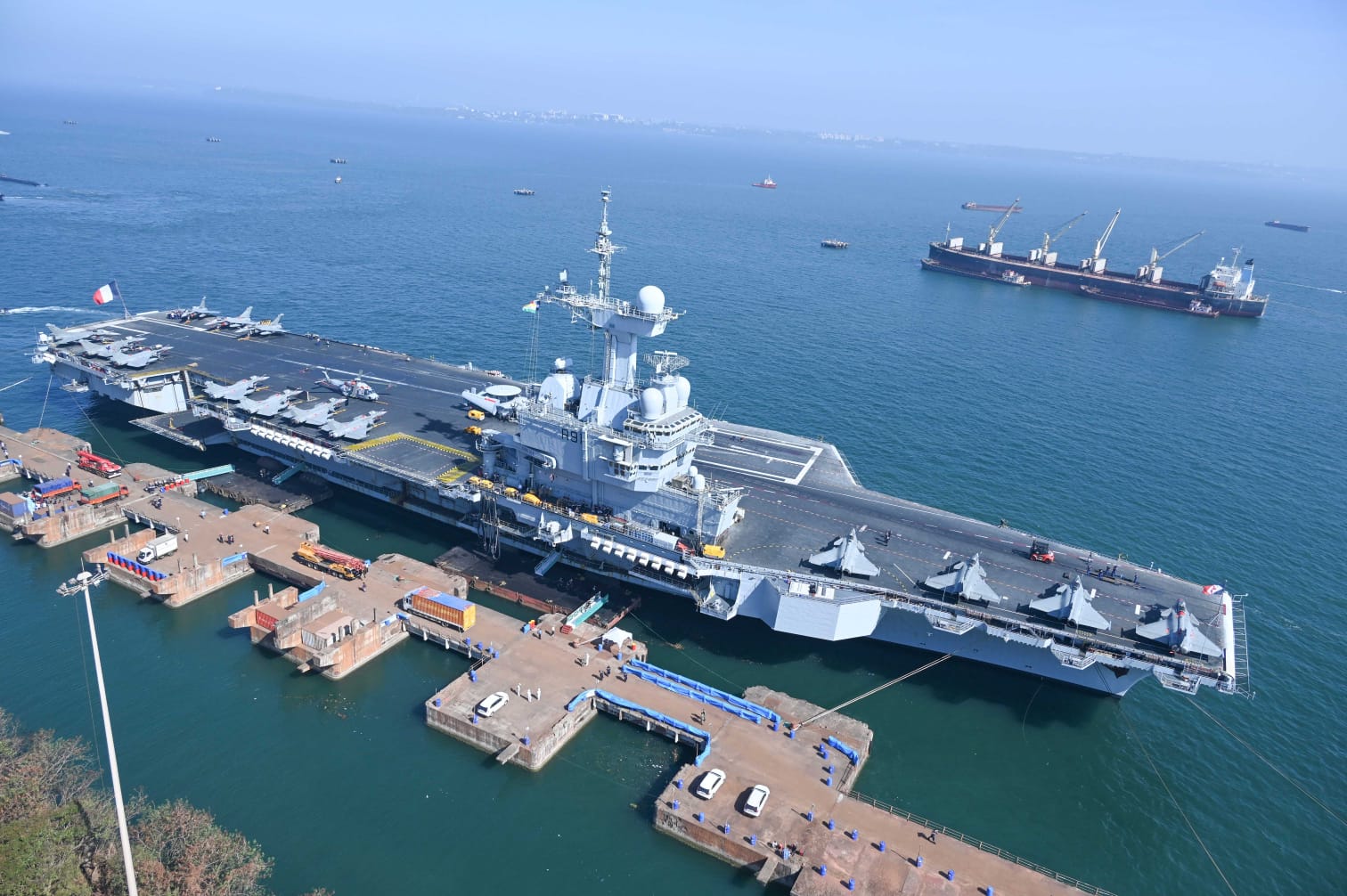
France’s Charles de Gaulle: The Sole Nuclear-Powered Aircraft Carrier Outside the US, Weighing 42,500 Tons and Equipped with Two Atomic Reactors

-
The military spaceplane that almost took the Cold War into orbit: Boeing X-20 Dyna-Soar was designed to re-enter above Mach 20, fly for up to 40 hours, land like a plane, and transform Titan rockets into a gateway to a new era of orbital warfare.
-
FAB bets on national drones and increases investments to strengthen the Brazilian aerospace industry




Purchase Without Dispute Reignites Debate on National Defense Industry
The central point of Taurus’s criticism lies in the format adopted for the acquisition.
The waiver of bidding allowed the Brazilian Navy to purchase rifles directly from the American Colt’s Manufacturing Company LLC, without opening competition among suppliers.
According to the Brazilian company, this type of decision reduces the competitiveness of the national defense industry and weakens a sector considered strategic for the country.
Furthermore, Taurus argues that Brazil has the industrial capacity to meet this type of demand without the need to resort to arms importation.
National Rifle Meets the Same Category as the Imported Model
In a statement sent to the column, Taurus President Salesio Nuhs highlighted that the company manufactures, in Brazil, a rifle of the same class as the model acquired by the Navy.
According to him, the Taurus T4 Rifle, 5.56 mm caliber, has been produced since 2017 using proprietary technology.
“Taurus has been manufacturing the Taurus T4 Rifle in Brazil since 2017, with proprietary technology, adopted by various national forces and already exported to several countries.
During this period, approximately 100,000 units of the model have been produced at the company’s industrial park in São Leopoldo (RS), reinforcing Brazil’s technological and industrial capacity in the defense segment,” says Nuhs.
Therefore, the company maintains that the importation of arms is unjustifiable from a technical or productive standpoint, since there is a consolidated national supply.
Economic Impact and International Tariffs Enter the Center of the Discussion
Another sensitive point raised by Taurus involves the current scenario of international trade.
The decision of the Brazilian Navy comes at a time when the United States imposes high tariffs on Brazilian products in the defense sector.
“The company considers it inconsistent and detrimental to the national industry that, in a scenario where the United States imposes tariffs of approximately 50% on Brazilian products exported by companies in the sector, Brazil opts for the importation of American arms,” says the president of Taurus.
Thus, the criticism goes beyond the purchase itself and involves commercial reciprocity, job creation, and the strengthening of the national defense industry.
Brazilian Navy Justifies Decision Based on Bidding Law
On the other hand, the Brazilian Navy justified the waiver of bidding based on Law No. 14,133/2021, known as the Bidding Law.
The legal provision allows for the direct purchase of military equipment when there is a need to maintain the logistical standardization of the Armed Forces.
Proponents of this argument use the justification to ensure interoperability between systems already adopted.
Still, experts assert that national suppliers can also meet standardization, provided they implement proper technical integration.
Taurus Highlights Trajectory and International Presence
Founded in 1939, Taurus has built a solid trajectory in the arms sector.
Currently, the company produces pistols, revolvers, tactical weapons, long guns, and accessories such as helmets and ballistic vests.
Additionally, the company has a factory in the United States and exports to more than 40 countries, reinforcing its global presence.
For the company, strengthening the national defense industry also means expanding Brazil’s presence in the international market for military equipment.
Debate Goes Beyond the Spot Purchase
The discussion raised by Taurus points to a broader theme: the role of the State in strengthening the industrial defense base.
The company evaluates that recurrent decisions of importation of arms, especially through waiver of bidding, may compromise the technological sovereignty of the country in the long term.
The topic, therefore, remains open and should stay at the center of the debate among industry, Armed Forces, and public policy makers in the coming months.








-

-

3 people reacted to this.