






 Portuguese
  Spanish
  3 min of reading
  0 comments


Temadre Increases Oil and Derivatives Movement by 5% in 2024, Highlighting Logistics Efficiency and Navigation Safety.
In 2024, the Waterway Terminal of Madre de Deus (Temadre) reached new heights by recording a 5% increase in oil and derivatives movement. This significant advance is attributed to ongoing improvements in infrastructure and a commitment to efficiency. Additionally, the terminal has solidified its role as a crucial link in supplying the North and Northeast regions of the country, demonstrating its capacity to meet the growing demand with logistics efficiency.
The enhancement of operations at Temadre highlighted the importance of advanced logistics and safe operational practices. Thanks to these improvements, the average loading and unloading time was reduced, further increasing the effectiveness of oil and derivatives movement. Additionally, emphasis should be placed on the integration of intelligent systems that optimized oil transportation, ensuring a smooth operation aligned with the best sustainability practices. This evolution reflects a continuous commitment to environmental responsibility and technological innovation, raising standards for maritime terminals across the country.
Greater Logistics Efficiency in 2024
In the year 2024, logistics efficiency was significantly improved, resulting in the highest volume of oil and derivatives movement, while also reducing operation time notably. Temadre, in particular, stood out by moving 24.5 million cubic meters (m³) of oil and derivatives, an increase of 5% compared to 2023, all while achieving a reduced Total Stay Time (TET) for ships. This key indicator, the TET of 2024, showed a significant reduction of 24.6% compared to 2022, the initial year of Acelen’s management, and a decrease of 16% compared to the previous year, 2023.
-
Three Chinese companies manufacture more than 96% of the world’s dry cargo containers and 100% of refrigerated ones, in a dominance built over 40 years that has made it almost impossible for the West to compete in this market.

-
The Panama Canal stores water in Gatún and Alhajuela lakes to maintain 38 daily crossings and prevent a drought linked to El Niño from once again stalling ships, raising freight rates, and putting pressure on global supply chains as occurred in 2023 and 2024.

-
While the US Navy still relied for decades on the subsonic Harpoon and Tomahawk missiles for naval combat, the US Air Force reactivated the AGM-183A ARRW program on May 12, 2026, in an anti-ship version capable of making a Nimitz-class aircraft carrier disappear in minutes.

-
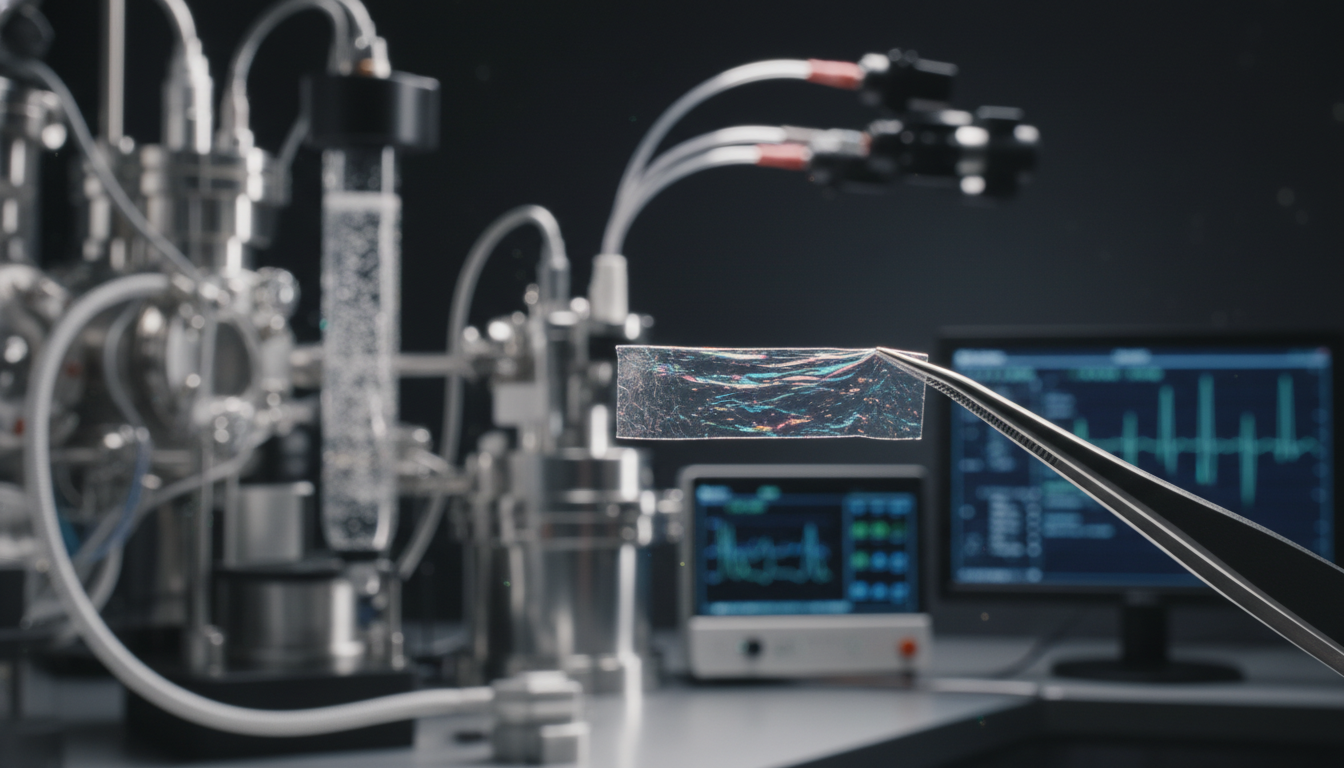
While commercial hydrogen fuel cells do not exceed 80 degrees Celsius due to the requirement of liquid water in the membranes, researchers at Monash University on May 18 made an ultrathin graphene and boron nitride-based membrane operate at 250 degrees Celsius without needing water.


Investments that Transform Processes
The advances achieved in logistics efficiency reflect the continuous improvements implemented in Acelen’s processes and the investments made in Temadre. This resulted in achievements such as increased delivery punctuality and cost optimization, making the company more competitive and enhancing customer satisfaction. Marcelo Mancini Stella, Vice President of Supply Chain at Acelen, emphasizes the importance of the maintenance dredging of the access channel to Temadre, which had not occurred for over two decades. This action was crucial to regain operational navigation depth, reaching close to 15.5 meters, thus allowing the reception of larger oil shipments.
Dredging and Revitalization of Assets
Dredging was a fundamental measure to increase the volume of oil and derivatives movement and help reduce logistics costs. Acelen allocated R$ 70 million to carry out this dredging, along with R$ 74 million designated for improving logistical assets, which included enhancements in tanking and operational capacity. These investments not only brought advantages in terms of navigation safety and the safety of individuals but also benefited the environment by reducing CO2 emissions.
Records at Land Terminals
At the Land Terminals (TTs) of Jequié, Itabuna, and Candeias, the movement of products also reached unprecedented levels in 2024. A total of 1.487 million cubic meters of derivatives were delivered to customers, marking the highest volume recorded in the last decade. Compared to 2023, there was a 16% increase, and compared to 2022, the first year of Acelen’s management at the Mataripe Refinery, the growth was 43%. The movement of cargo to these terminals was facilitated by the 669 km of pipelines that make up the ORSUB (Oil Pipeline of Recôncavo-Sul da Bahia).
Revitalization and Competitiveness
For Marcelo Mancini, investments in revitalizing assets are synonymous with increasing operational reliability and providing greater competitiveness for the company. The Mataripe Refinery, owned by Acelen, with 74 years of operation, stands out among the three main and most modern refineries in Latin America. Acelen’s refinery ranks as the second largest in Brazil and the second largest exporter in Bahia, holding 14% of the country’s total refining capacity. It supplies 42% of the Northeast region and 80% of the State of Bahia, also accounting for 17% of the ICMS and 10% of Bahia’s GDP.
Source: Imprensa TEMADRE







Be the first to react!