





 Portuguese
  English
  Spanish
  5 min of reading
  0 comments


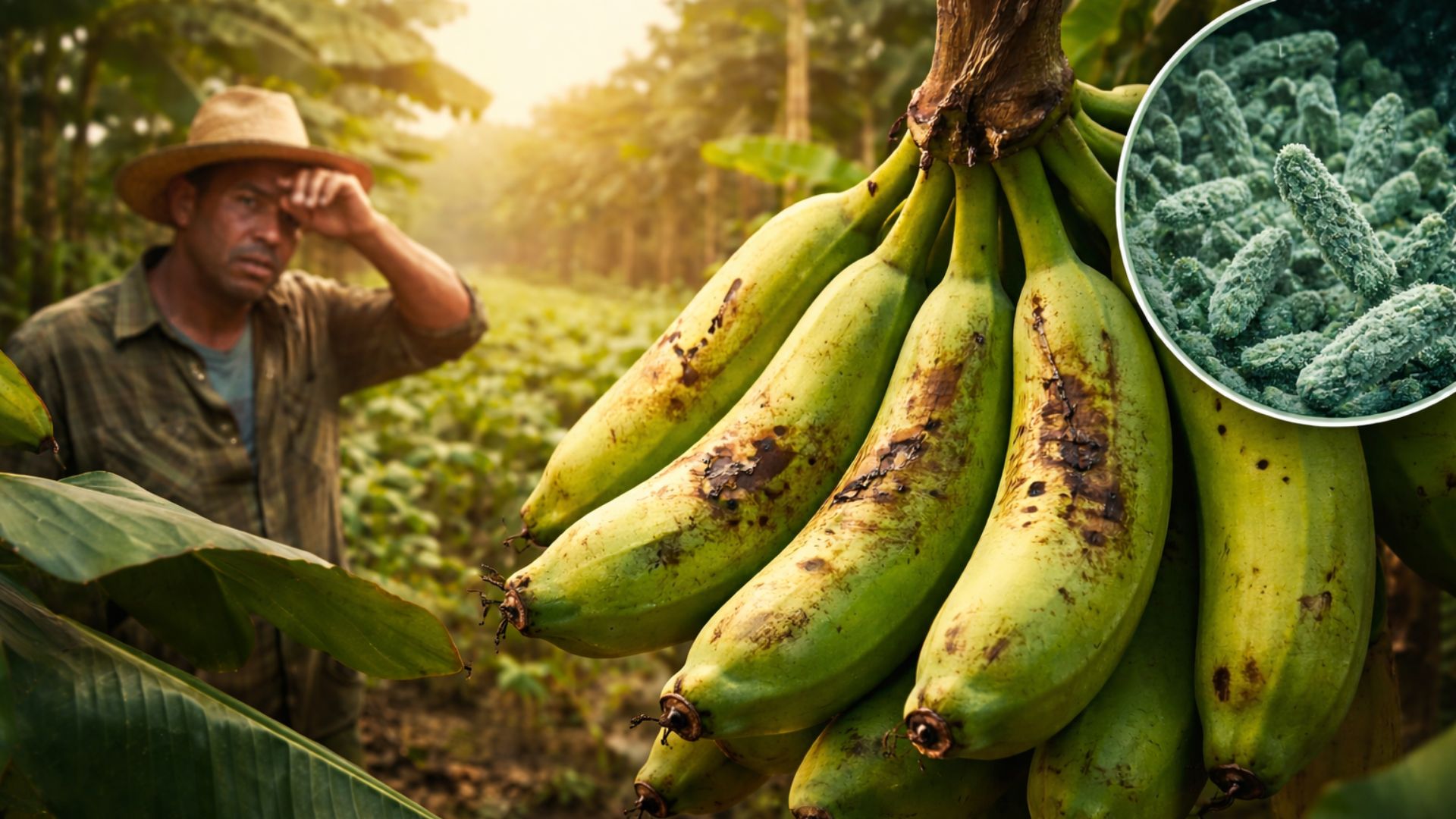
Global production concentrated on a single vulnerable variety puts billion-dollar supply chain under silent pressure as soil fungus advances across continents and threatens international supply, requiring urgent changes in cultivation, logistics, and sanitary strategies.
One of the most present foods on the world’s shelves has begun to coexist with an invisible threat that does not alter the appearance of the fruit but compromises the entire production system by remaining active in the soil for decades.
Responsible for this scenario, the fungus Fusarium oxysporum f. sp. cubense tropical race 4, known as TR4, directly affects the Cavendish variety, which dominates almost all global exports and supports a supply chain with millions of tons moved annually.
More than an agricultural problem, the situation involves food security and economic stability, as bananas and plantains are part of the basic diet of about 400 million people in over 135 countries.
-
Santa Catarina leads national production in 12 agribusiness chains and dominates more than 50 segments ranging from apples to oysters and from pork to knit fabrics. The state consolidates its position among the five largest producers in Brazil in almost everything it produces.

-
The most consumed fish in Brazil may be added to the official list of invasive exotic species this Wednesday, and Conabio’s proposal regarding tilapia divides the government, alarms fish farming, and reignites a debate that the Ministry of the Environment insists does not mean a ban.
-
After BYD and others, China invades Brazil with giant tractors of up to 700 hp, 50% fuel savings, and a billion-dollar factory planned after Zoomlion projects R$ 500 million in sales in Brazilian agriculture.
-
China buys 1.1 million tons of beef in four months, an increase of 25.75%, and Brazil leads with 612.87 thousand tons


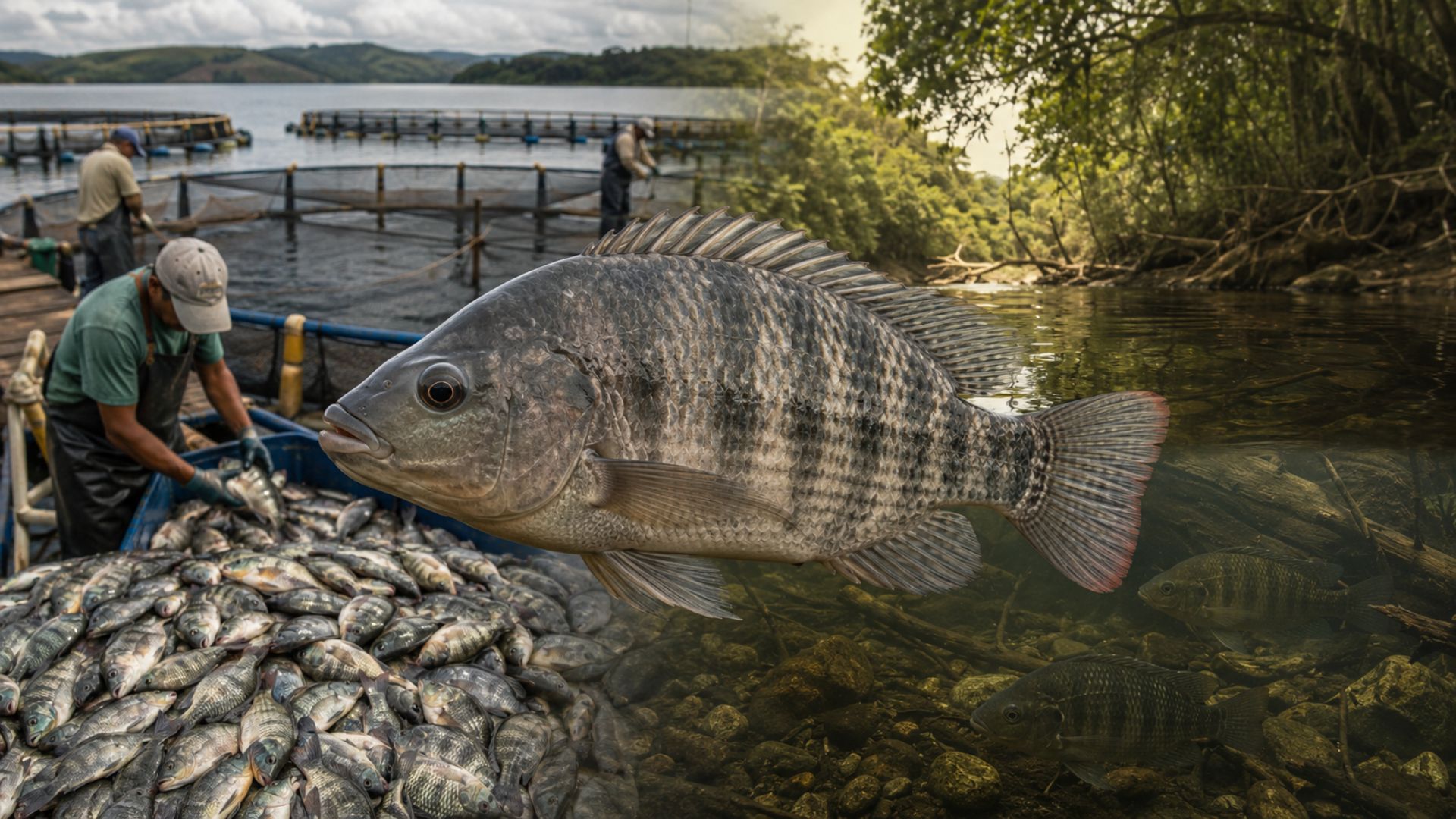


As it advances, the disease affects not only isolated crops but also rural workers, exporters, logistics operators, and consumer markets that depend on the regularity of this international flow.
This level of dependence helps to gauge the alarm observed by international organizations and governments, especially in tropical regions where production supports entire local economies.
FAO data indicates that bananas remain among the most produced and consumed fruits on the planet, with 125 million tons recorded in 2023, while global trade revolves around 20 million tons annually.
Dependence on Cavendish banana in global trade
Despite the existence of over a thousand banana varieties, the international market has consolidated the Cavendish due to logistical characteristics that facilitate transportation, storage, and large-scale standardization.
With predictable ripening and adequate resistance to maritime transport, the variety has become dominant, representing almost all exports and a significant portion of global production.
However, this genetic uniformity has brought a significant side effect, as entire plantations have begun to share similar characteristics, drastically reducing the natural capacity to react against pests and diseases.
Historically, the sector has already faced a similar crisis when the Gros Michel variety lost ground after successive outbreaks of Panama disease throughout the 20th century.
At that time, the replacement by Cavendish allowed the continuity of global trade but also consolidated a production model highly dependent on a single genetic base.
How the TR4 fungus destroys crops
Unlike visible pests, TR4 acts silently by penetrating the roots and compromising the plant’s vascular system, preventing the transport of essential water and nutrients.
As the infection progresses, the banana plant shows signs of yellowing, loss of vigor, and in more advanced stages, complete death, with no possibility of productive recovery.
One of the main challenges is the persistence of the fungus in the soil, where it can remain active for decades, complicating any attempts at definitive eradication in contaminated areas.
According to FAO, this is one of the most destructive diseases ever recorded for banana cultivation, precisely because of its ability for silent spread and difficult control.
Soil particles adhered to boots, tires, tools, or even irrigation water are sufficient to transport the pathogen between properties and regions.
This ease of dispersion increases the risk in intensive agricultural systems, where the constant movement of people and equipment is part of the operational routine.
Moreover, genetic concentration exacerbates the problem, as more than 80% of global production uses materials susceptible to TR4, according to estimates from FAO itself.
Advancement of TR4 in Latin America Concerns Exporters
In recent years, the advancement of the disease has gained strategic relevance by affecting the world’s main exporting region, responsible for supplying a large part of international trade.
The arrival of TR4 in Latin America was recorded in 2019, altering the global scenario by putting fundamental areas for external fruit supply at risk.
Initially identified in Colombia, the fungus was also detected in Peru and later confirmed in Ecuador, increasing concern among producers and health authorities.
Although countries like India and China lead global production, Latin America’s prominence in exports makes the region especially sensitive to any instability.
In this context, Ecuador, the largest global exporter, assumes a central role, as millions of tons shipped annually connect its production to markets such as the European Union and the United States.
Thus, any interruption in regional supply tends to quickly impact prices and the international availability of the fruit.
Biosafety Measures in Banana Plantations
In the absence of an effective cure, producers have begun to invest in rigorous prevention strategies to reduce the risk of contamination and contain the spread of the fungus.
Among the main actions are the use of certified seedlings, access control to properties, constant disinfection of vehicles, and digital monitoring of cultivated areas.
In addition to these measures, the movement of workers between different planting zones has been limited, reducing the possibility of involuntary transportation of the pathogen.
These changes influenced the entire production dynamic, from planting to harvesting, requiring greater technical control and standardization of agricultural processes.
During harvesting, for example, precision became essential, as minimal damage can compromise the quality of the fruit intended for export.
The logistics chain of bananas depends on the cold chain
After being harvested from the field, the banana goes through industrial stages that include washing, sorting, bunching, and inspection before moving on to packaging.
Subsequently, the product enters the cold chain, which is essential for keeping the fruit green during transport and ensuring that ripening occurs only at the final destination.
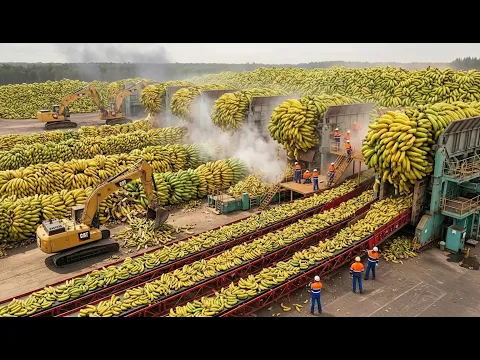

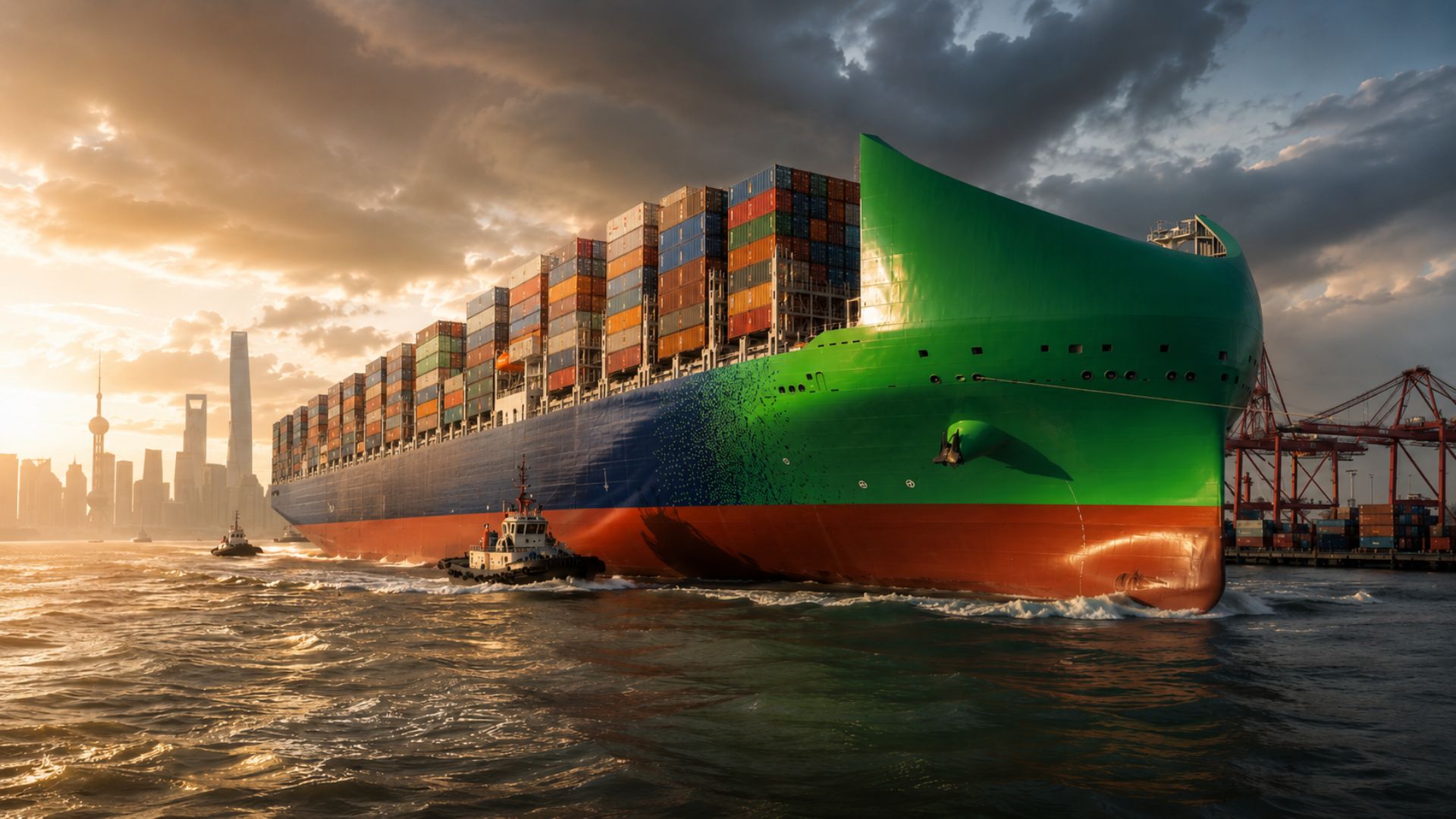
The use of refrigerated containers has revolutionized global trade by allowing long journeys with less loss of quality and greater logistical predictability.
This structure has helped consolidate the banana as the most exported fresh fruit in the world, but it has also increased dependence on a constant productive flow.
When factors such as diseases or climatic events reduce supply, the entire chain feels the effects, from the field to the final consumer.
Search for resistant varieties and scientific solutions
In light of this scenario, researchers and international organizations are focusing efforts on developing varieties more resistant to TR4, seeking to reduce the vulnerability of the current system.
Although there are advances in genetic studies and new cultivars in testing, large-scale adoption still faces technical, economic, and regulatory challenges.
While these solutions are not yet consolidated, biosecurity remains the main strategy to avoid widespread losses and maintain the functioning of the global chain.
In this context, the banana ceases to be just an everyday food and comes to represent a complex system that depends on a balance between production, science, and international logistics.





Be the first to react!