






 Portuguese
  Spanish
  5 min of reading
  0 comments


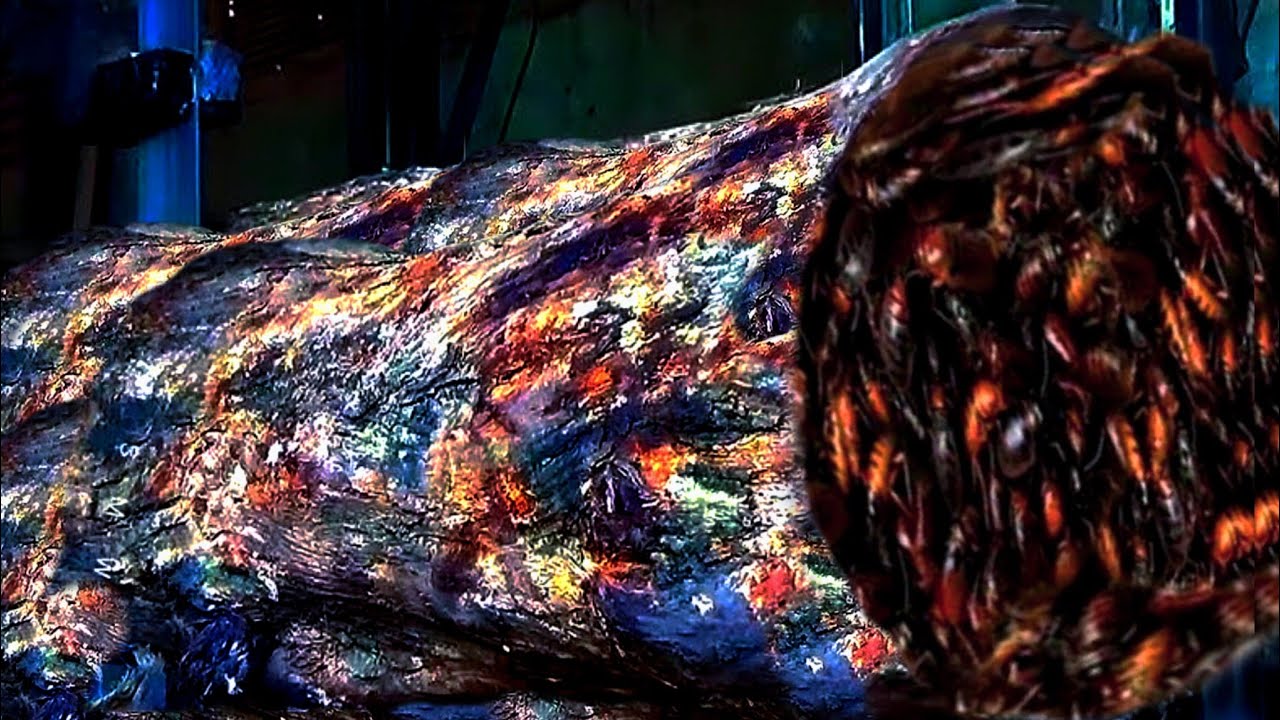
Jacarandá-da-bahia supplied the luxury market for centuries, became the most valuable wood in Brazil, and today is an endangered species of the Atlantic Forest.
For centuries, the jacarandá-da-bahia established itself as one of the most coveted woods in the world. Scientifically known as Dalbergia nigra, the species gained international prestige for its combination of dark color, striking grain, high durability, and great ornamental value, characteristics that transformed it into a luxury raw material for fine furniture and sophisticated woodworking. According to CNCFlora, its wood was “highly sought after since colonial times,” especially for the manufacture of luxury furniture, and eventually became “the most valuable in Brazil.”
This economic value helped sustain intense exploitation over generations. The result was the drastic reduction of the species’ natural populations, now officially classified as Vulnerable. According to CNCFlora, the jacarandá-da-bahia became very rare due to habitat destruction and indiscriminate wood exploitation, and the selective extraction of the past was so intense that it is estimated that at least 30% of the species’ population has been lost.
Jacarandá-da-bahia gained worldwide fame for its beauty and high wood value
The reputation of the jacarandá-da-bahia was built on very specific attributes. According to CNCFlora, its wood is considered extremely valuable and has historically been associated with the high-end market. It was not just an abundant forest resource, but a material with extraordinary aesthetic and commercial appeal, which helped consolidate its international fame.
-
Peter Andrews was reported by his neighbors, lost the farm to the bank, and saw his marriage fall apart, but the method that the government rejected for 30 years was recognized by the UN as one of the five agricultural models.

-
Billion-dollar agricultural bill worries the Treasury: rural renegotiation could consume R$22.4 billion in 2027 and hinder the return of accounts to the black

-
Producers pierce PET bottles, bury them next to the plants, and create drip irrigation that delivers water directly to the roots and reduces waste in the garden.
-
Seven women from the same family turned a cheese factory in Minas into a tourist attraction, where visitors can watch the milking process, see the artisanal cheese being made, and even take home products made on the farm.


The appreciation was also linked to the quality of the species as noble wood. Embrapa highlights that the jacarandá-da-bahia presents high-quality wood and maintains strong ease of commercialization, precisely because of its historical and economic value. This helps explain why the species was exploited so intensely over time.


Over the centuries, this prestige transformed the tree into a symbol of Brazilian forest wealth. The problem is that the market rewarded the species so much that it helped push it towards the biological rarity that today defines its conservation status.
Native and Endemic Species of Brazil Restricted to Atlantic Forest Fragments
According to CNCFlora, the jacarandá-da-bahia is a species endemic to Brazil and is exclusively associated with forest formations of the Atlantic Forest. Its distribution center is mainly located between the south of Bahia and the north of São Paulo, although there are records in other states of the biome.
Embrapa emphasizes that the largest natural occurrence zone of the species is in the south of Bahia and the north of Espírito Santo, in areas of Atlantic forest. This shows how the tree has always been linked to a specific ecological strip of the country, precisely one of the environments most historically devastated by human occupation.
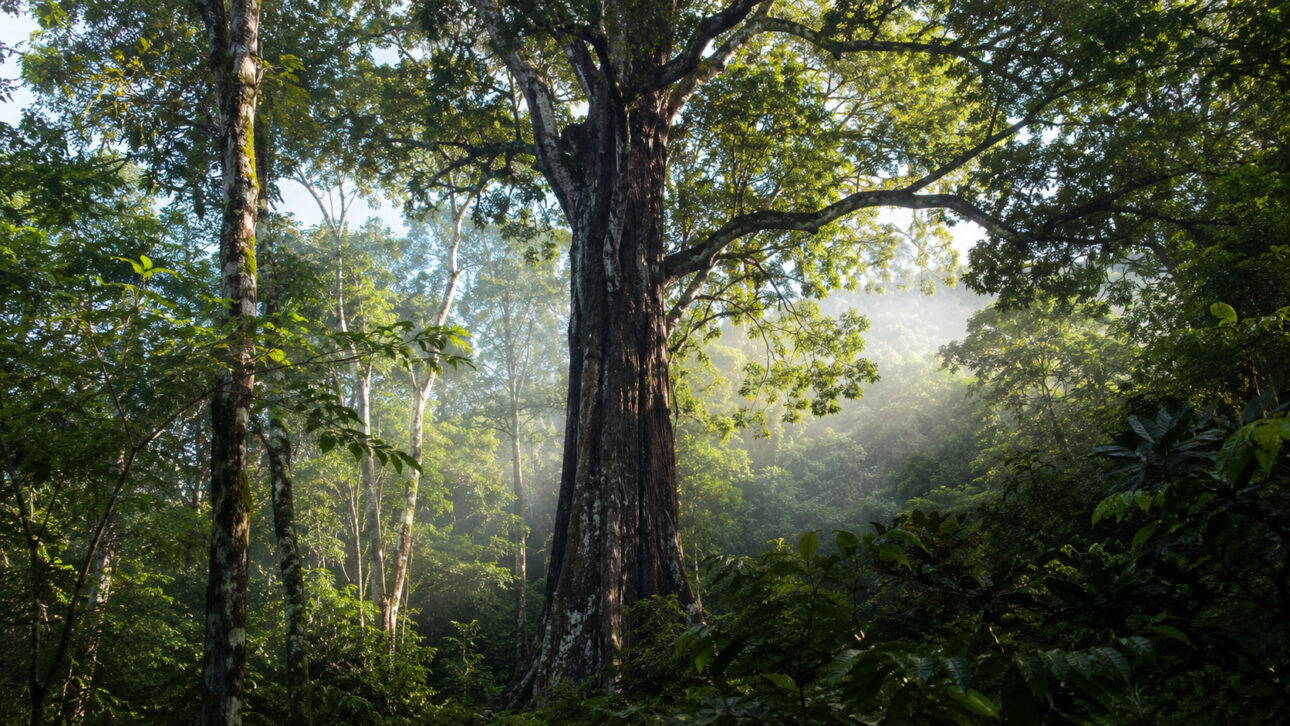
This geographical limitation made the jacarandá-da-bahia even more vulnerable. When a commercially highly valued species depends on an already heavily fragmented biome, the combination of selective logging and habitat loss accelerates the process of population decline.
Historical Exploitation Turned Brazil’s Most Valuable Wood into a Vulnerable Species
According to CNCFlora, the jacarandá-da-bahia is now classified as VU, meaning Vulnerable, on the Brazilian Flora Red List. The justification for the assessment is straightforward: the species became rare due to habitat destruction and excessive exploitation of its wood, even after decades of scientific recognition and protection.
The same survey indicates that, although it still appears in floristic inventories, it is already difficult to find large individuals. In many forest fragments, only small, often isolated subpopulations remain, which reduces genetic variability and compromises long-term recovery.
In other words, the jacarandá-da-bahia has not completely disappeared, but it no longer exists with the abundance and stature that sustained its fame during the centuries it supplied the luxury market. What remains is a species of high ecological and historical value, now dependent on continuous protection.
Recovery of Jacarandá-da-bahia is Difficult and Requires Careful Management
The recovery of the species does not depend solely on preventing illegal logging. According to Embrapa, the Brazilian rosewood requires specific regeneration and management care. Pure plantations in full sun should be avoided because the plants exhibit disorganized growth, short trunk, and greater vulnerability to structural problems.
Embrapa also highlights that the species can suffer from a high mortality rate in certain planting systems and recommends associations with other species and mixed planting models to promote straight growth and reduce trunk problems. This shows that restoring natural populations of the tree is not just a matter of planting seedlings, but of applying an appropriate technical model.
This point helps to understand why the Brazilian rosewood remains threatened even after the increase in protection rules. The species needs preserved habitat, correct forest management, and ecological time to recover, something very different from the immediate logic that guided its commercial exploitation for so many years.
Brazilian rosewood became a symbol of Brazil’s environmental and economic history
More than a noble wood, the Brazilian rosewood summarizes an important part of Brazil’s environmental history. The tree that helped supply sophisticated markets for centuries and became a reference of international luxury is today a protected species and much rarer than in the past.

According to CNCFlora, it is still remembered as the most valuable wood in Brazil, but now this appreciation coexists with the urgency of conservation. Meanwhile, Embrapa shows that the species still has potential for management and recovery, provided it is subjected to correct technical conditions and integrated into Atlantic Forest preservation strategies.
In the end, the Brazilian rosewood ceased to be just a high-value commercial product. It has become a clear portrait of how a natural wealth can generate prestige, profit, and historical legacy, but also move towards threat when exploitation advances faster than conservation.








Be the first to react!