






 Portuguese
  Spanish


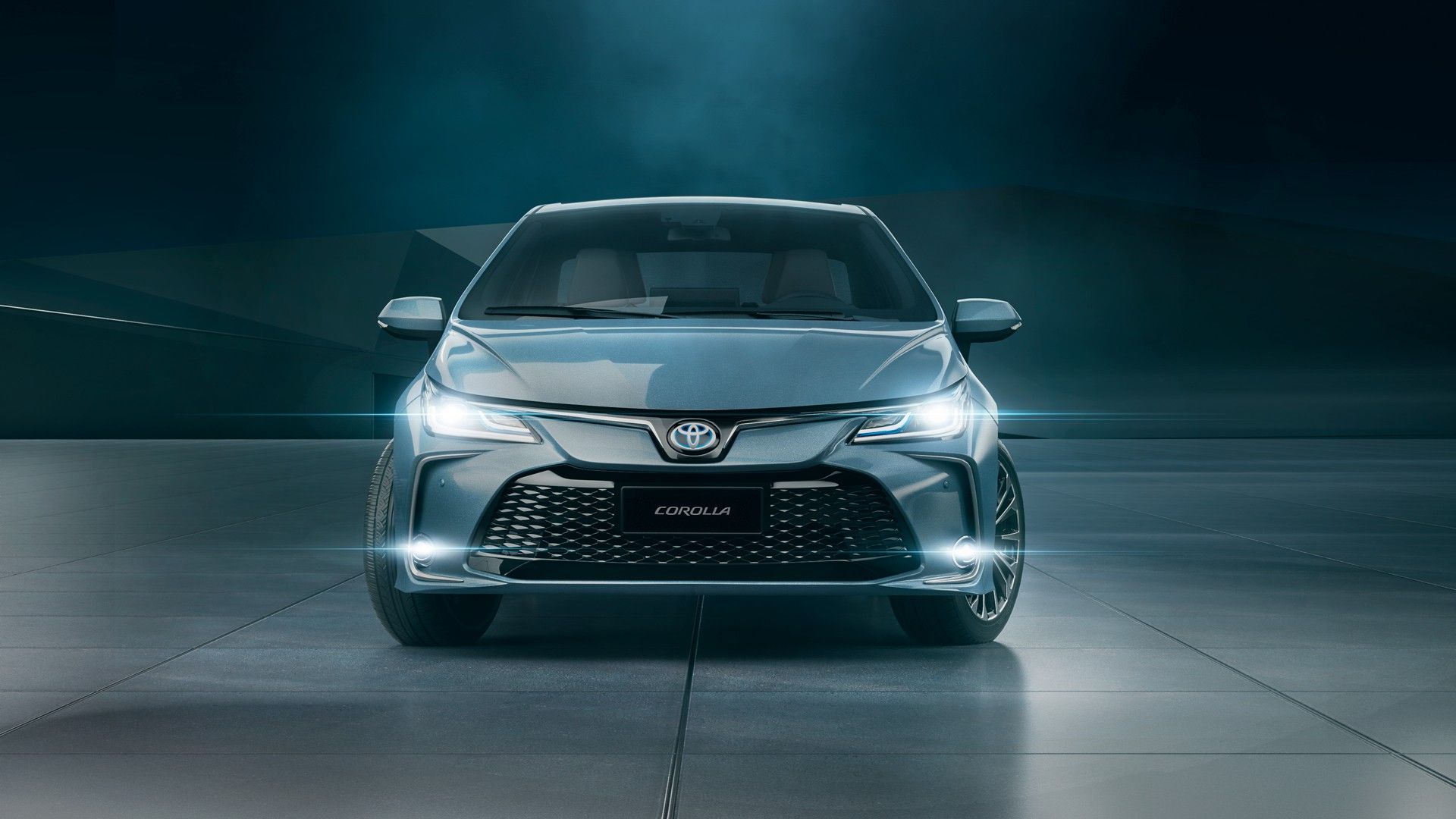


Toyota Hybrid Sedan Combines Economy And Sophistication, But Is Expensive For Modest Performance, Basic Technology And High Insurance. See The Positive Highlights And Points Of Attention Before Purchase.
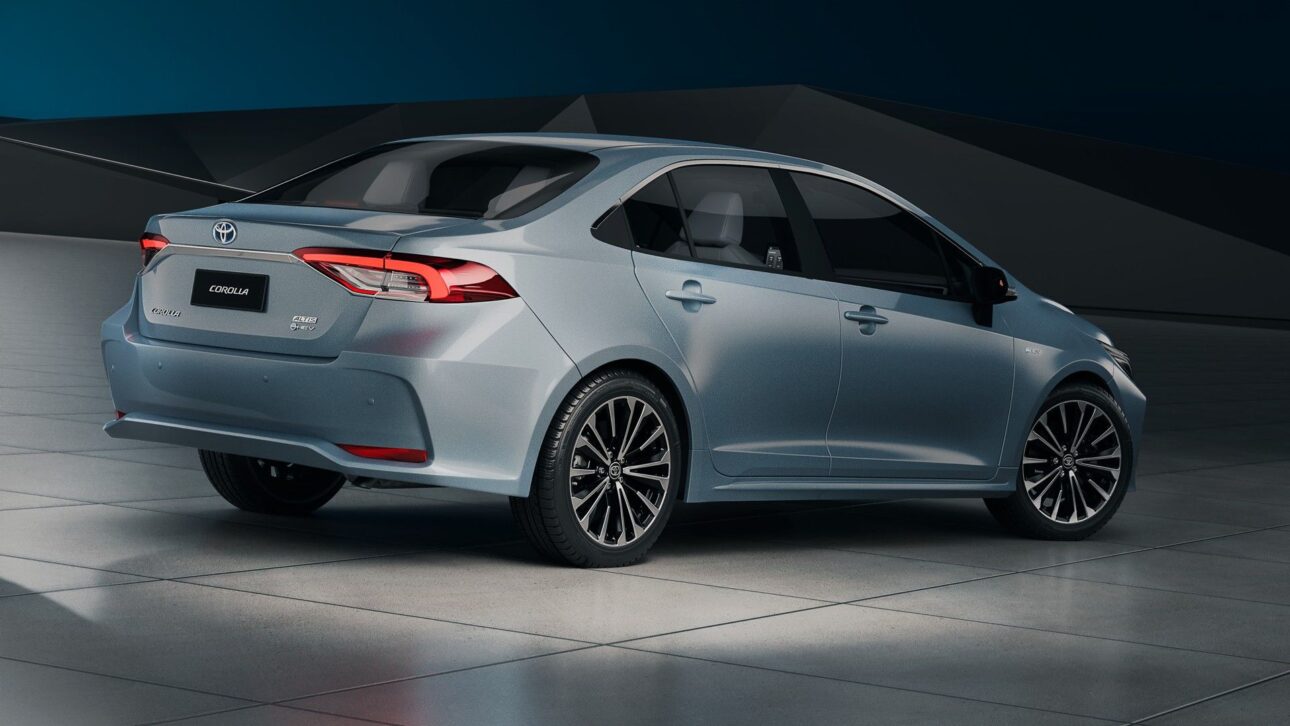
The Toyota Corolla Hybrid will complete six years in the market in 2025, maintaining its leadership among hybrid sedans in Brazil.
Even in the face of advancing Chinese rivals, the Japanese model remains a popular choice, offering efficient fuel consumption, refined finishing, and extensive warranty.
However, the model also raises questions regarding its modest performance, simplified technology, and high insurance costs.
-
Sales of Brazil’s Cheapest Electric Car Halted Before First Deliveries: E-Motors Suspends Emova Easy Due to Import Tax Increase and Rising Freight Costs

-
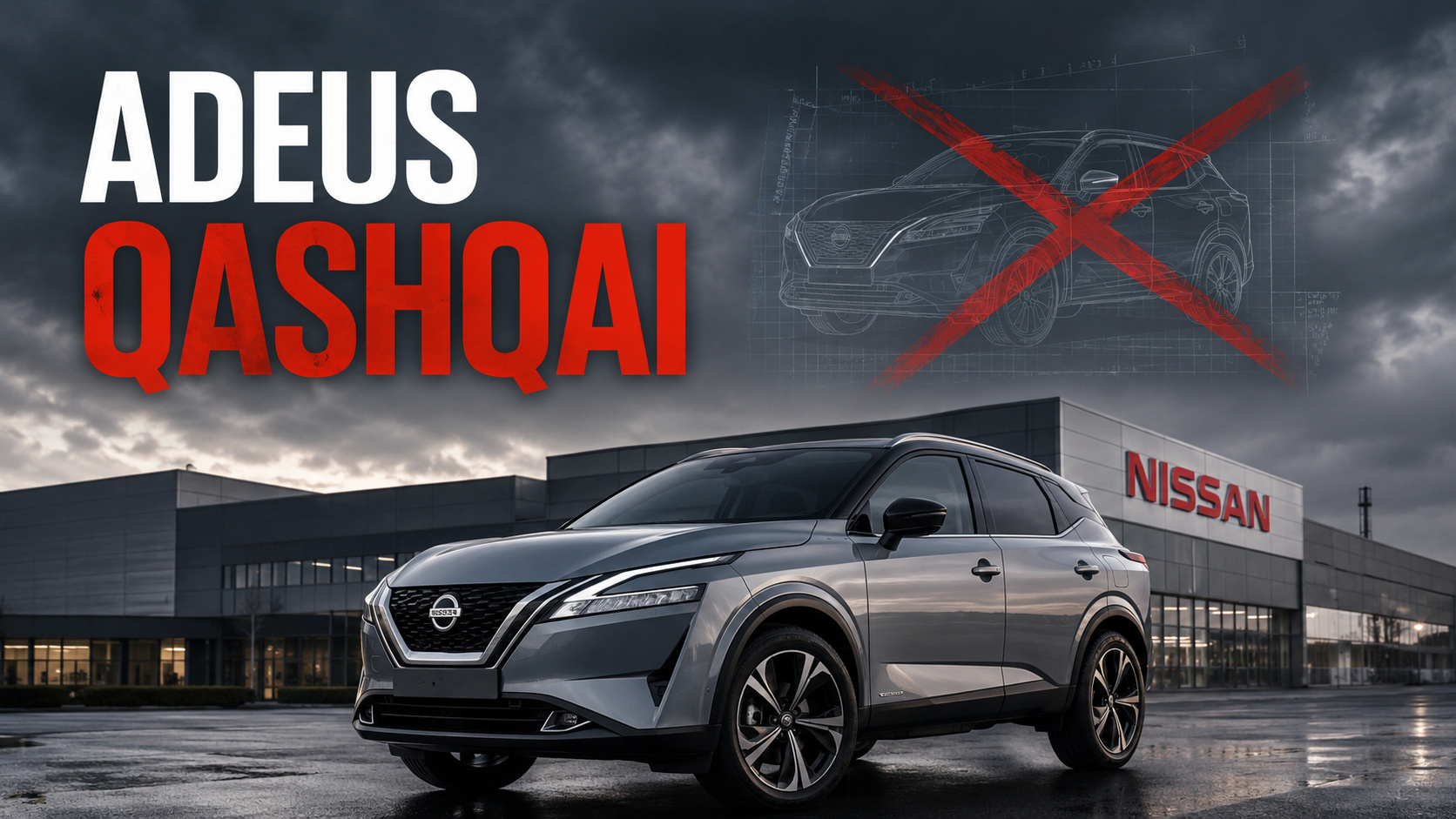
Nissan Discontinues Qashqai SUV Amid Cost-Cutting, Chinese Competition, and Product Line Review

-
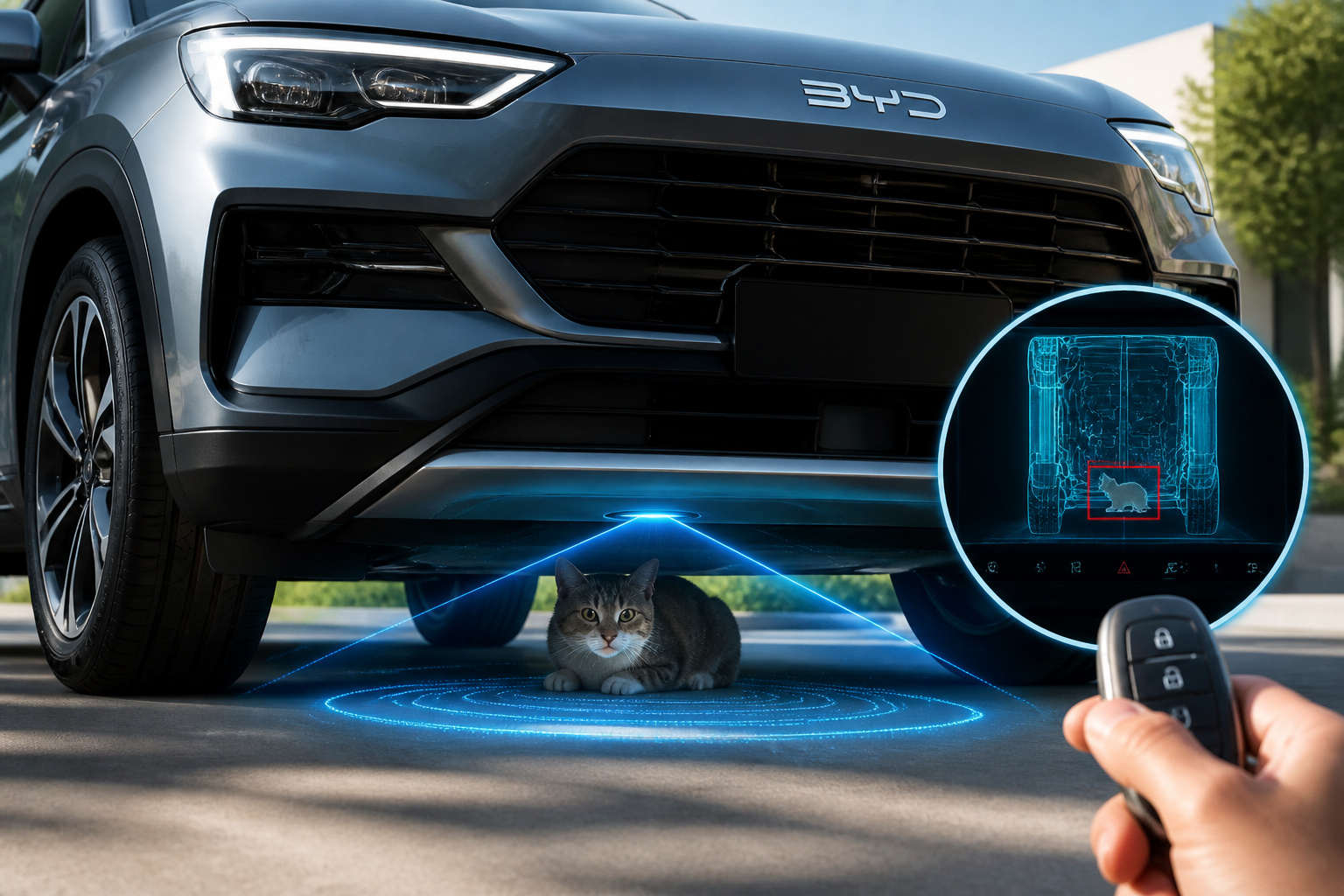
BYD Patents Revolutionary System Using Computer Vision to Detect Animals Under Cars Before Starting, Preventing Tragedies

-
Study Reveals Why Cars Are More Expensive to Produce and Buy in Brazil Compared to Mexico, Highlighting Taxes, Logistics, and Industrial Costs as Key Factors.


Below, see the main reasons to consider purchasing and also the points that require more attention before deciding on the purchase of the Toyota hybrid sedan.
Positive Points Of The Toyota Corolla Hybrid
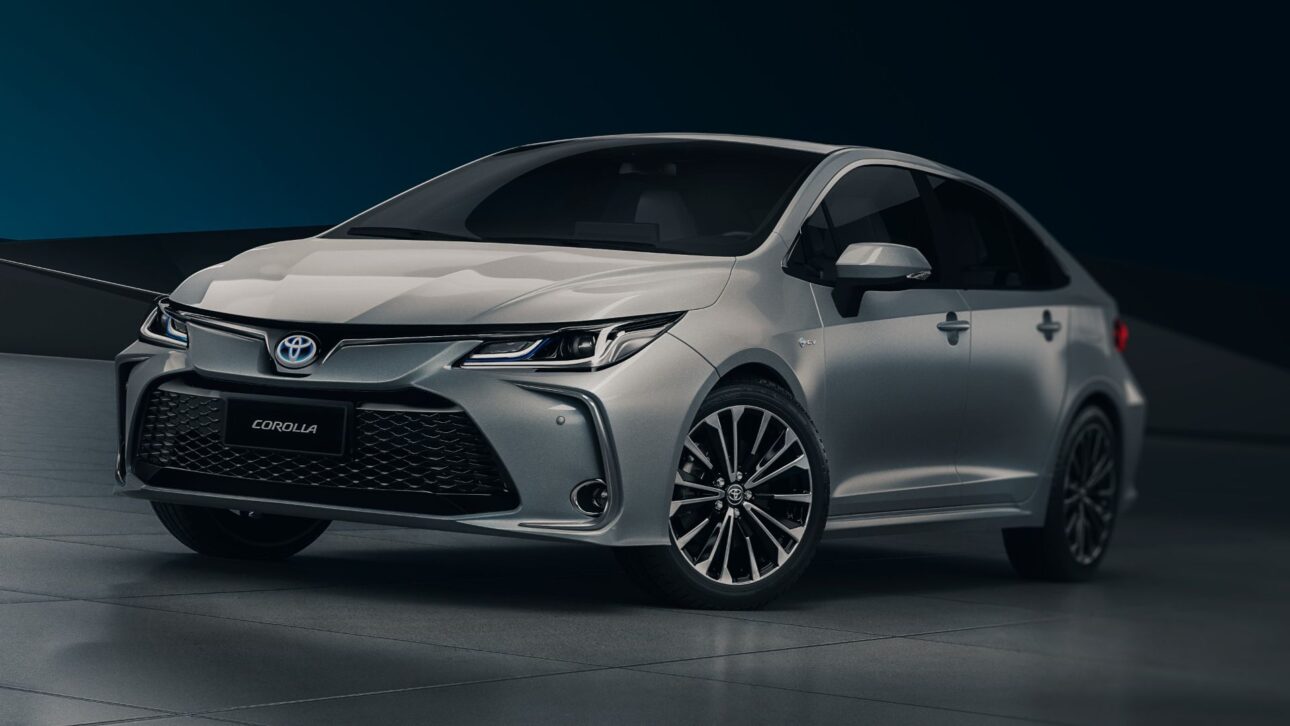
Energy Efficiency Of The Hybrid System
The Toyota parallel hybrid system combines a 1.8 flex engine with an electric motor and a 1.3 kWh battery, totaling around 122 hp (14.5 kgfm of thermal torque and 16.6 kgfm electric).
According to data from the Brazilian Vehicle Labeling Program (PBEV), the consumption is up to 17.5 km/l in the city and 15.2 km/l on the road using gasoline; with ethanol, it reaches 12.5 and 10.7 km/l, respectively, and maximum estimated range of 735 km.
Comfortable Handling And Efficient Suspension
The transaxle type transmission (e-CVT) enables smooth transitions between the electric and combustion engines.
The suspension absorbs urban irregularities well, avoiding severe impacts on speed bumps, although it requires attention on more abrupt potholes.
During curves, the vehicle keeps the body controlled and firm.
The acoustic insulation effectively filters external noises, but does not entirely eliminate the sound of the thermal engine at higher revolutions.
Premium Standard Interior Finishing
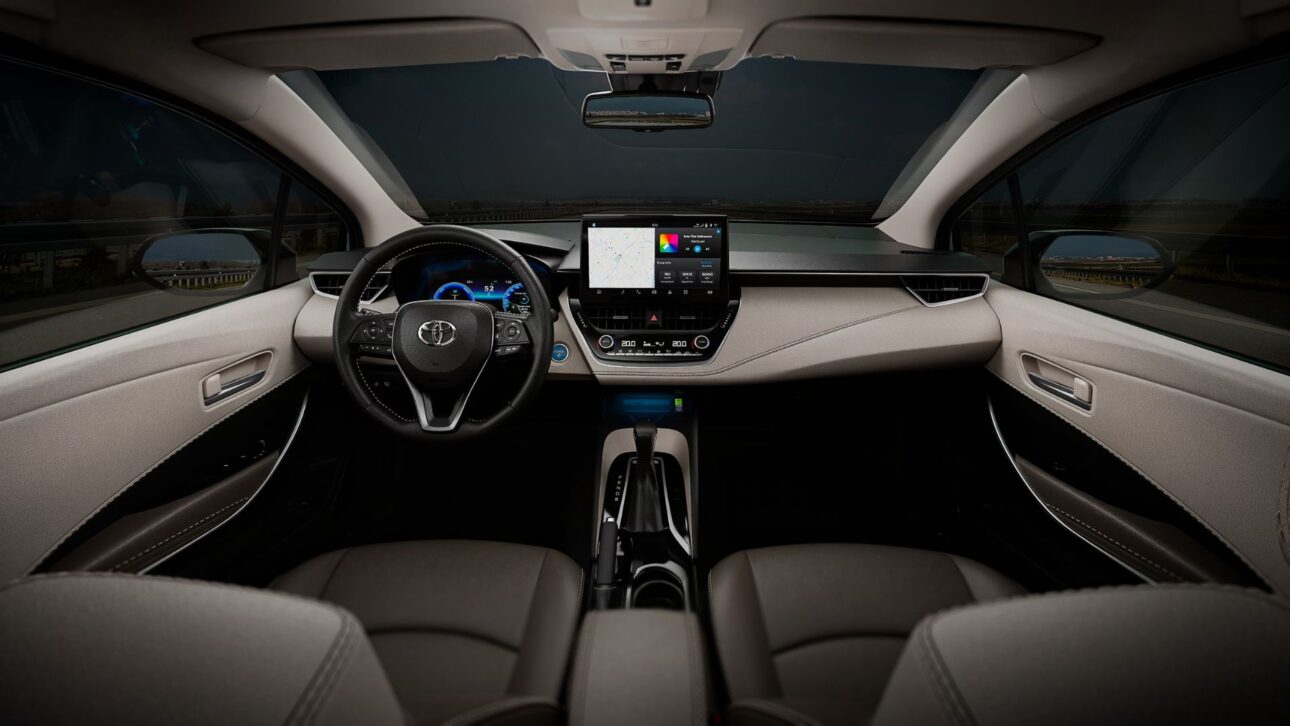
Unlike the Corolla Cross, the sedan features an interior with rubberized materials, leather, and visible stitching, conveying solidity.
Even the rigid plastics are well finished.
The rear doors have a rubberized upper trim, a rare detail in the national segment.
The cabin and trunk carpet has the appearance of synthetic fabric, reinforcing the sophisticated proposal.
Trunk With The Largest Capacity In The Category
The trunk of the Corolla Hybrid offers 470 liters, the largest among medium-sized sedans in Brazil.
In comparison: Caoa Chery Arrizo 6 Pro Hybrid (405 l), BYD King (450 l) and Nissan Sentra (466 l).
Despite the good capacity, the “goose neck” style opening limits the useful amplitude.
Extended Warranty Of Up To 10 Years
Since model year 2020 vehicles, Toyota Brazil has implemented the “Toyota 10” program, with free extension of the warranty after the initial 5 years, provided that maintenance is performed at an authorized dealership.
The additional coverage is renewable annually or every 10,000 km until reaching 10 years or 200,000 km.
The hybrid system receives differentiated coverage of eight years or 200,000 km, which can also be renewed within the same time and mileage limits.
Negative Points Of The Toyota Corolla Hybrid
Limited Performance And Slow Recoveries
Despite its efficiency, the sedan accelerates from 0 to 100 km/h in about 12 seconds and presents slow recoveries, requiring planning during overtaking.
With a load on board, it struggles to climb hills, even with the support of the electric motor.
Its combined power of around 122 hp has proven to be limited for those seeking vigor.
There has been no public confirmation of a replacement with a plug-in hybrid (PHEV) version so far.
Parking Brake Is Still Manual
The absence of an electric parking brake, a feature present in the Corolla Cross, means less convenience and takes up space in the center console that could be used for additional storage.
Multimedia Center Is Not Very Modern
Although the 10-inch center already offers wireless Android Auto and Apple CarPlay, it still lags behind competing Chinese systems.
The rear camera has inferior quality and lacks 360° vision, making maneuvers more difficult compared to vehicles like the BYD King.
High Insurance Costs
According to the 2025 Qual Comprar guide from Autoesporte, the insurance for the Corolla Hybrid costs about R$ 6,191 for female profiles and R$ 4,014 for male.
These are significantly higher values than those charged by the BYD King (R$ 3,404 and R$ 3,025, respectively).
Still Competitive Depreciation, But Overcome
Although it maintains good value retention, the Corolla Hybrid has a depreciation of 9.7% in one year, compared to 8.7% for the BYD King and 5.9% for the Caoa Chery Arrizo 6.
Still, it performs better than the Corolla 2.0, which depreciates 12.9% in the same period.
Is the cost-benefit of the Corolla Hybrid still valid today, or do competitors like the BYD King or future electric vehicles in Brazil already offer better conditions in the medium term?









Em São Paulo (Somente Corolla Hybrid) e em alguns estados tem isenção total de IPVA, uma economia significativa 8 mil reais…
Tem que melhorar. Prius mais antigo e também Toyota faz melhor.
E outros sem ser híbridos também como o caso do Chevrolet Ônix que fazem o mesmo km/l.
Daqui a pouco os chineses vão embora do Brasil e os brasileiros ficam falando sozinhos! Carro de verdade é toyota! Tenho um corolla gli 2025 um carro maravilhoso! Muito luxo é custo inútil!