Portuguese
  Spanish




Toyota President Criticizes Total Dependence on Electrics: Find Out Why the Automaker Bets on Hybrids, Hydrogen, and Synthetic Fuels
Akio Toyoda, chairman of the Toyota Motor Corporation, has brought up an important debate in the automotive world: is betting all chips on 100% electric vehicles (BEVs) really the best way to reduce global emissions? For him, the answer is no — and the main reason is far from just a matter of innovation.
In a recent interview, the Japanese executive highlighted a point that often goes unnoticed in discussions about decarbonization: where the electricity powering BEVs comes from. In Japan, for example, approximately 69% of the electricity is still generated from thermal power plants, which are highly polluting. In other words, while electric cars do not emit exhaust gases, their carbon footprint can be much larger than it seems.
Hybrids vs. Electrics: Toyota’s Numbers
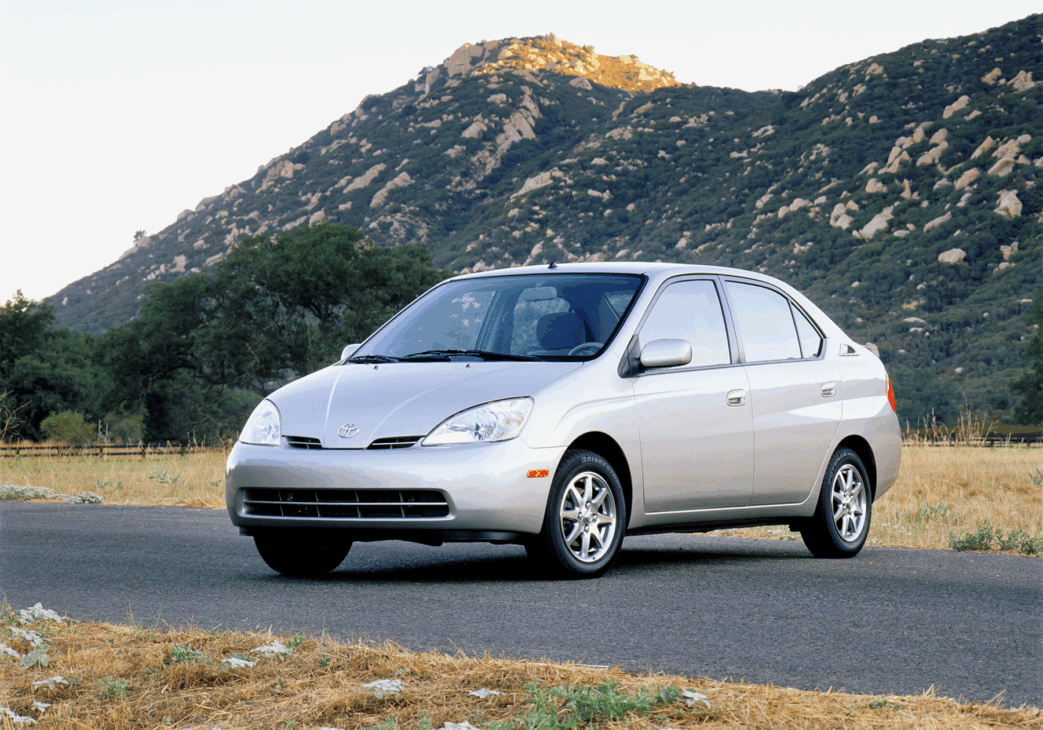
To support his argument, Toyoda presented an interesting comparison. According to him, Toyota has sold 27 million hybrid vehicles since launching the pioneering Toyota Prius in 1997 — the world’s first mass-produced hybrid car.
-
Sales of Brazil’s Cheapest Electric Car Halted Before First Deliveries: E-Motors Suspends Emova Easy Due to Import Tax Increase and Rising Freight Costs

-
Nissan Discontinues Qashqai SUV Amid Cost-Cutting, Chinese Competition, and Product Line Review

-
BYD Patents Revolutionary System Using Computer Vision to Detect Animals Under Cars Before Starting, Preventing Tragedies

-
Study Reveals Why Cars Are More Expensive to Produce and Buy in Brazil Compared to Mexico, Highlighting Taxes, Logistics, and Industrial Costs as Key Factors.



This sales volume, according to the president, represents a reduction in emissions equivalent to what would be achieved with 9 million BEVs on the road. In other words, the Japanese automaker has already made a significant environmental impact without relying solely on pure electrics.
And this is not an isolated view. According to an analysis by BloombergNEF, even in advanced markets, the complete transition to electrics requires complementary solutions, such as hybrids and alternative technologies.
A Diversified Technological Strategy
While other brands heavily invest in total electrification, Toyota has been following a different path. The company’s idea is to offer a range of technologies that adapt to the energy and socioeconomic needs of each region.
In practice, this means investing not only in BEVs, but also in:
- Conventional Hybrids (HEVs)
- Plug-in Hybrids (PHEVs)
- Hydrogen-powered Vehicles (FCEVs), such as the Toyota Mirai
- Research on Synthetic Fuels
This approach has a pragmatic side. According to Toyoda, meeting massive demand for electrics would require the construction of up to 20 new thermal power plants just to cover peak energy consumption — which, ironically, contradicts the very goal of reducing emissions.
And Electric Cars? They Are Part of the Plan
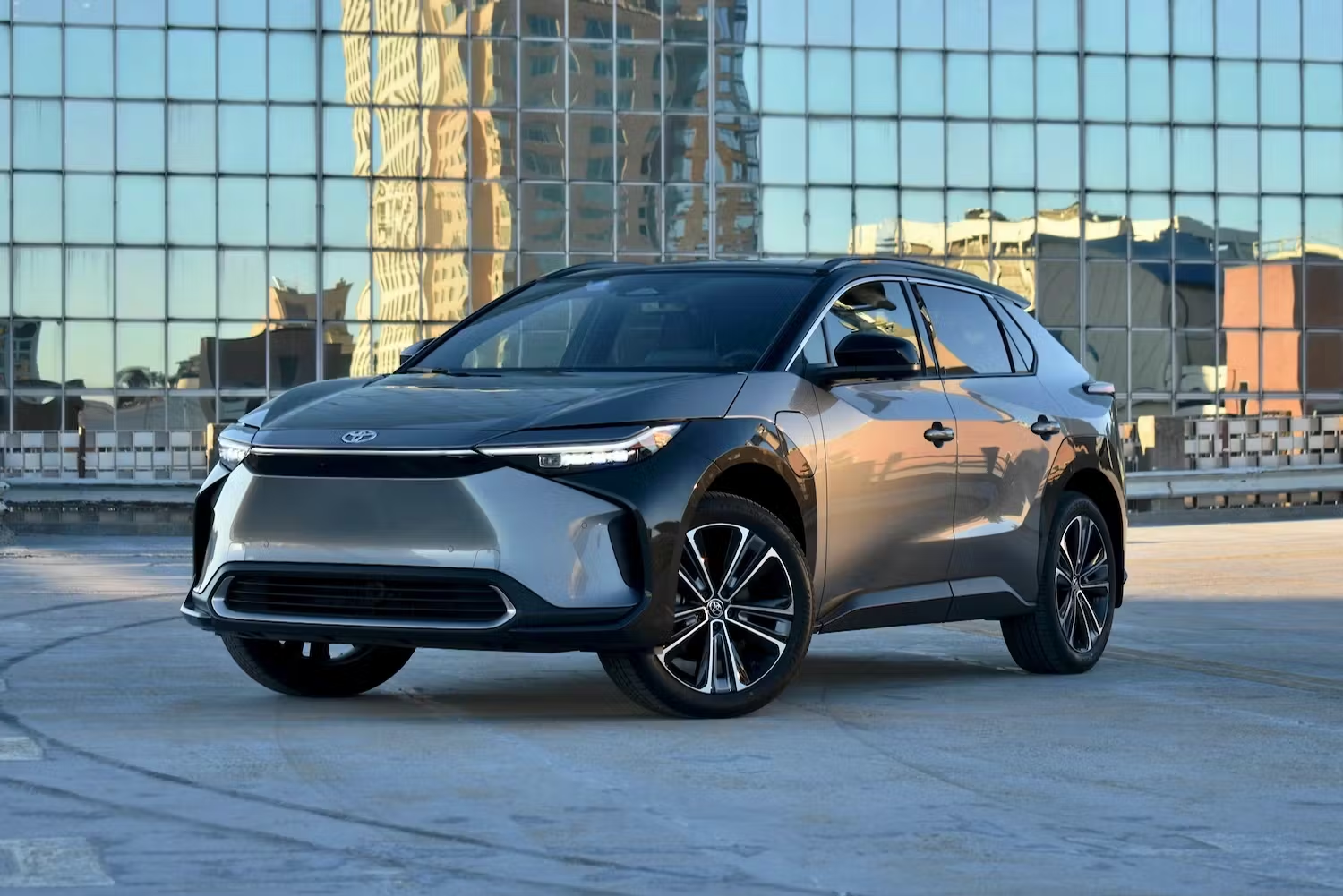
Although not 100% focused on electrics, Toyota does not intend to fall behind in this segment. The company’s goal is to sell 3.5 million BEVs per year by 2030. In 2023, production was still modest, with about 100,000 units, but the pace is expected to accelerate in the coming years.
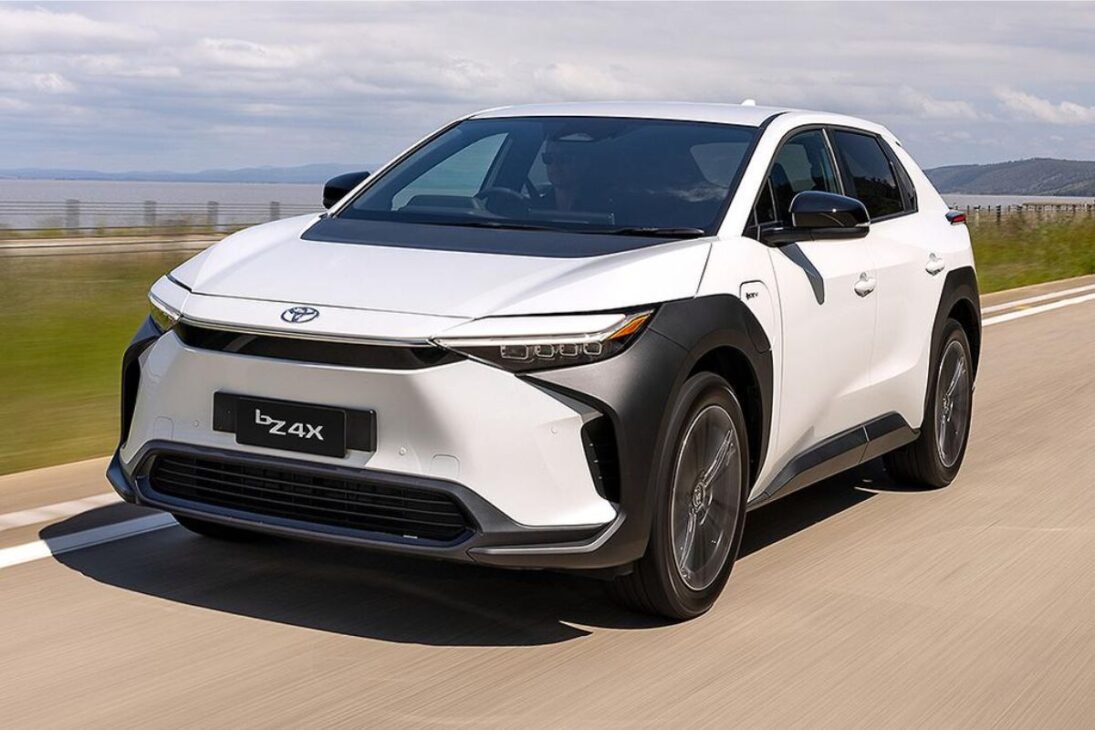
For now, hybrids remain the automaker’s flagship, representing more than half of global sales in 2024. Pure electrics, such as the SUV Toyota bZ4X, hold a small but growing share.
However, Toyoda emphasizes that BEVs will have their space. He predicts that in the future, about one-third of the global market will be occupied by these models. The executive stresses that there is no one magical solution to the climate problem, and that the choice of technologies must take into account the energy reality of each country.
A More Grounded Perspective
Akio Toyoda’s final message is simple: the automotive sector needs technological realism, not idealism. Focusing solely on BEVs, without considering the impact of the electrical matrix and the viability of infrastructure, can create new problems.
In this scenario, Toyota aims to continue leading with concrete and sustainable solutions that deliver immediate environmental benefits and respect the particularities of each market.
As the executive himself reminds: “There is no single path to zero emissions. We need an intelligent, data-driven approach tailored to the global context.”
If you follow the automotive market, it’s worth keeping an eye out. The battle for the future of mobility is just beginning — and it will not be decided solely by the electric takeover.