Portuguese
  Spanish


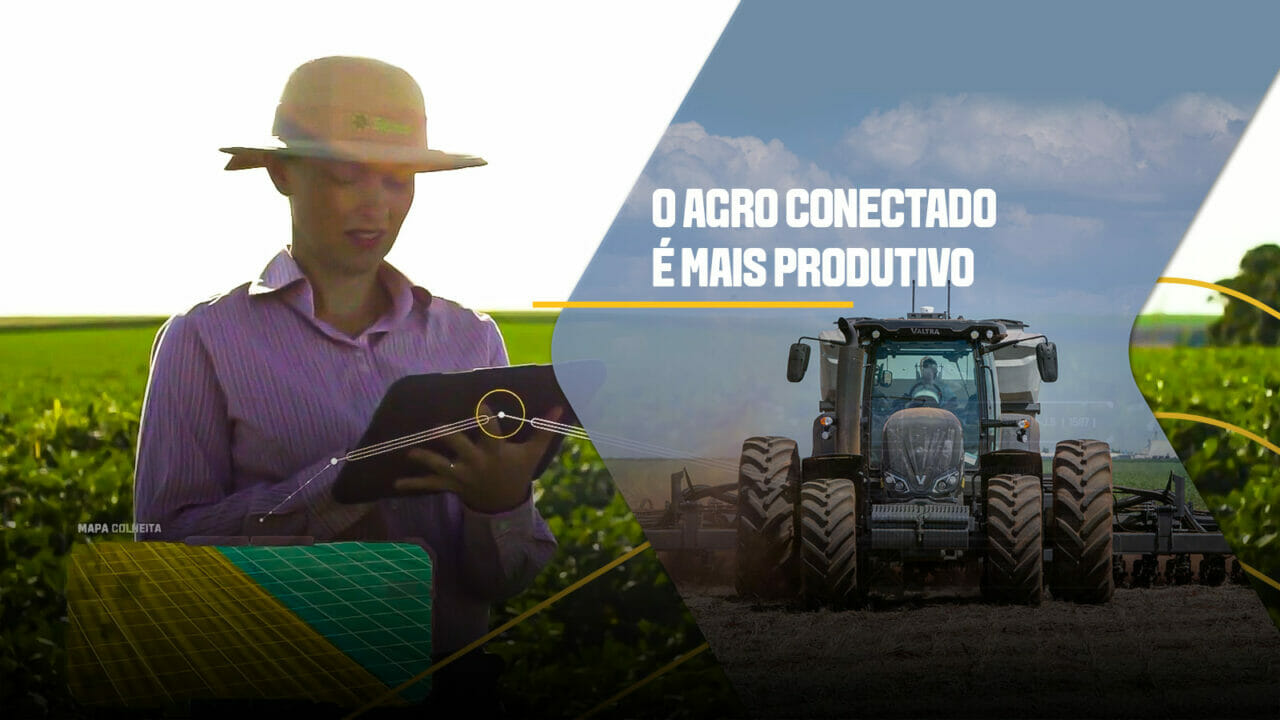

New Digital Tools Elevate Soil Quality and Boost Productivity in the Field
The conscious and precise use of soil is a key element in ensuring robust and productive agriculture. Through digitalization, the ConectarAGRO Association, a nonprofit focused on promoting connectivity in rural areas, highlights the revolutionary impact of digital technologies on optimizing the use of inputs that meet the nutritional demands of crops.
Brazilian Soils and Digital Intervention
According to studies by the Brazilian Agricultural Research Corporation (Embrapa), the natural fertility of Brazilian soils is typically low, requiring careful application of nutrients at the right time and in the right quantities to ensure a quality harvest. In light of this, digital agriculture stands out as a valuable solution for agricultural production chains, providing accurate data about soil conditions through machines, sensors, and devices.
Recognizing the potential of these digital tools enabled by the 4G network at 700MHz, ConectarAGRO highlights the main technologies that assist in improving soil fertility indicators:
-
Statkraft Brazil Earns Pro-Ethics Certification from CGU, Highlighting Commitment to Compliance, Governance, and Sustainable Renewable Energy

-
Despite Perceived Delays, Rio de Janeiro’s New Stock Exchange on Track for Launch by Early Next Year

-
Constellation Earns 2025–2026 Pro-Ethics Seal from Brazil’s CGU, Stands Out as Only Offshore Drilling Company Recognized

-
Brazilian Soft Drink Company Dolly Faces Billion-Dollar Bankruptcy Battle Over $3 Billion Debt Accumulated Over Two Decades


Technological Innovations and Soil Fertility
Terrain Modeling: Virtual modeling software is used to simulate the distribution of water and nutrients in the soil, allowing the identification of areas with fertility problems and optimizing the application of fertilizers. These models use data such as altitude, slope, and soil types.
Soil Moisture Sensors: These devices, placed in the soil near plant roots, provide accurate information about the amount of water available for crops. This enables a more informed management of water resources, ensuring proper irrigation of the plantation.
Remote Monitoring of Crops: Through images from satellites and drones, farmers can analyze plant health and identify areas with growth problems. This data is processed by software that produces heat maps and other visual representations that allow for precise identification of points requiring attention.
Management Applications: Apps enable farmers to have an effective tool for fertilization and soil management strategies based on artificial intelligence algorithms. This helps to avoid waste of products in areas that already have high levels of nutrients, ensuring that plants receive the appropriate amount of elements for their development.
Precision Fertilization: Equipment such as volumetric dosers measures the amount of fertilizer applied to each plant. Controlled by computers, this equipment allows for adjusting the amount of fertilizer applied according to the needs of each area.
“Digital tools provide farmers with an integrated and comprehensive view of the entire production chain, revolutionizing the productivity and efficiency of Brazilian agriculture. Given the importance of digitalization, we continue to promote total connectivity in the field through simple, interoperable, and dynamic solutions,” concludes Ana Helena de Andrade, president of ConectarAGRO.