Portuguese
  Spanish


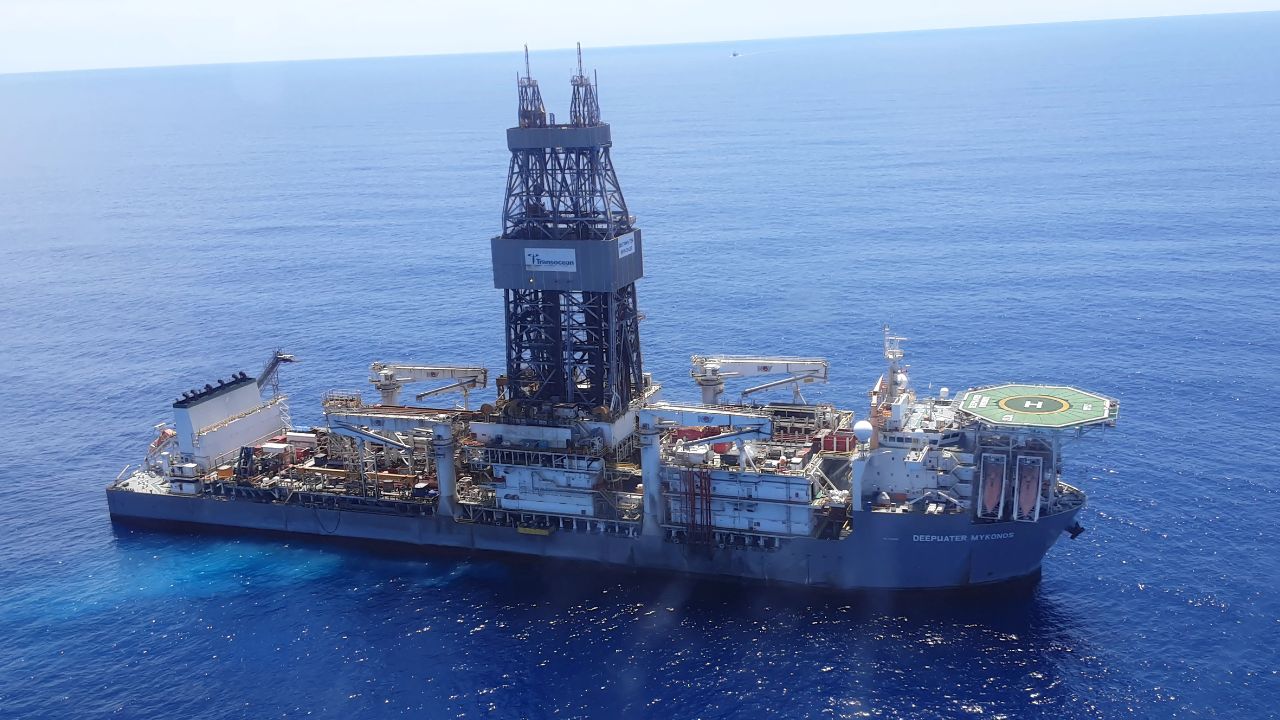

Petrobras Extends Contract With Transocean for 60 More Days for Use of Deepwater Mykonos Drillship in Brazil. Understand the Details and the Impact on the Offshore Drilling Sector.
Transocean, one of the global leaders in offshore drilling, has secured the extension of the contract with Petrobras for the operation of the Deepwater Mykonos drillship in Brazilian waters. The new agreement, announced on July 16, 2025, extends the partnership for another 60 days, with the possibility of renewal for an additional 120 days.
Deepwater Mykonos Drillship: Cutting-Edge Technology at Petrobras’ Service
The renewal reinforces Transocean’s presence in the Brazilian market and keeps one of the company’s most advanced vessels active. The Deepwater Mykonos, built in 2011, is of the Enhanced Samsung 10000 model, capable of operating in water depths of up to 10,000 feet and reaching a drilling depth of 35,000 feet, in addition to accommodating 205 professionals on board.
The Deepwater Mykonos drillship is considered one of the most efficient platforms in Transocean’s fleet. Its modern and robust design allows for safe operations in ultra-deep environments, aligning high-performance technology with comfort and safety for the crew.
-
OPEC+ Boosts Oil Supply by 188,000 Barrels per Day in July 2026, Leading to Price Drop from $112 to $89 per Barrel in Under Two Months

-
TotalEnergies Signs 20-Year Deal to Purchase 2 Million Tons of LNG from Alaska, Boosting Project Viability
-
Turkey Deploys Çağrı Bey Drilling Ship to Explore New Oil Frontier Off Somalia’s Coast
-
Golden Pass LNG Ships First Liquefied Gas Cargo from the U.S., Completing $10 Billion QatarEnergy and ExxonMobil Investment


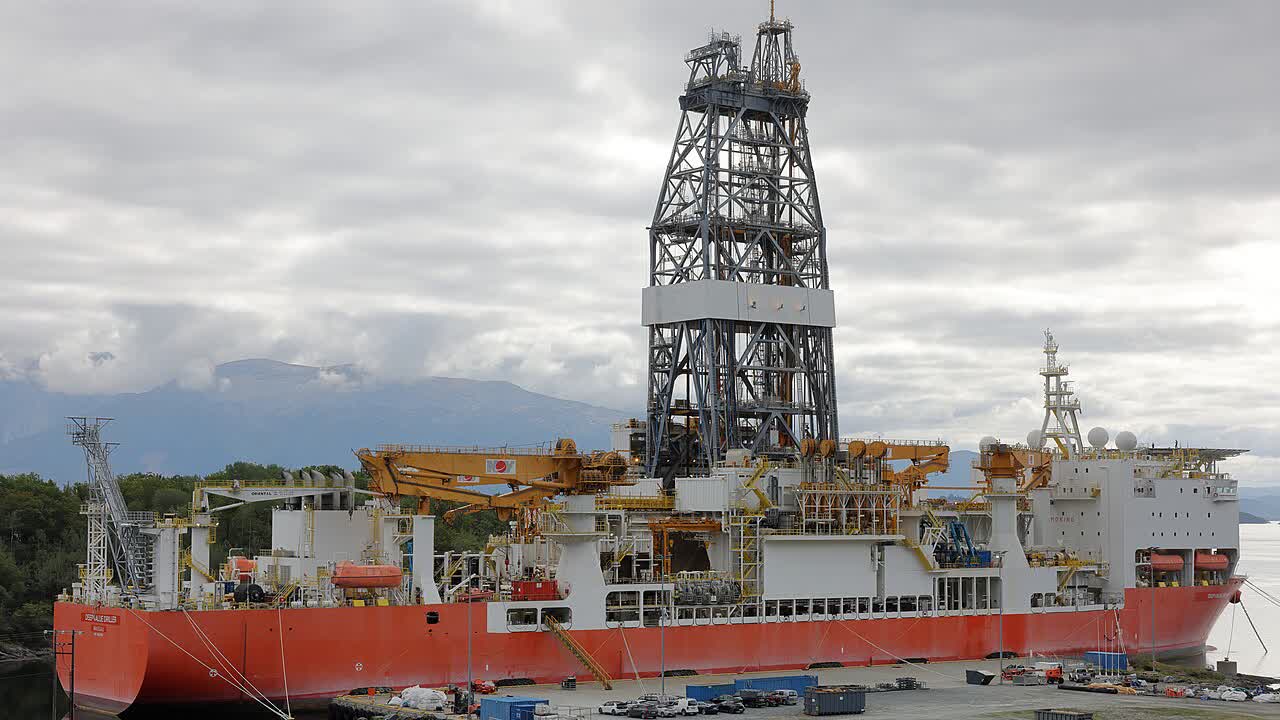

The continuation of the Mykonos operation with Petrobras reinforces the state-owned company’s commitment to using advanced solutions to explore deepwater reserves. Such equipment is crucial to maintaining productivity in complex fields off the Brazilian coast.
Transocean’s Backlog Reaches US$ 7.2 Billion
With the extension of the contract with Petrobras and other recently signed agreements, Transocean’s backlog — that is, the total value of active contracts — reached approximately US$ 7.2 billion in July 2025. Nevertheless, there was a slight decrease compared to the US$ 7.9 billion recorded in April.
Of these values, about US$ 199 million refer to four recent contracts, including operations in Australia, Norway, and Ivory Coast. The diversification of activities reinforces the company’s strategic position in different regions of the world.
In addition to the partnership with Petrobras, Transocean also confirmed new activities in various parts of the globe. In Australia, for example, two well options were exercised for the use of the Transocean Equinox rig, which will be operated by ConocoPhillips in the Otway Basin, at a daily rate of US$ 540,000.
In Norway, the company signed a new contract with Equinor for drilling two wells with the Transocean Spitsbergen rig, which has been operating in the region for years, at a rate of US$ 395,000 per day.
Another highlight is the operation in Ivory Coast, where the drillship Deepwater Skyros was contracted by Murphy Oil for a campaign of three wells, with the possibility of a fourth, at US$ 361,000 per day.
Transocean’s Fleet Remains a Reference in the Offshore Sector
Currently, Transocean has a fleet composed of 32 mobile drilling units, with 24 specialized in ultra-deep waters and eight designed for harsh environments. This solid structure is the result of decades of leadership and innovation in the maritime drilling industry.
Since the 1950s, when it launched the world’s first drillship, the company has remained at the forefront with patented technologies such as the Active Power Compensation® hybrid system. “For generations, we have continued to push the boundaries,” the company states in its institutional positioning.
The extension of the contract with the Deepwater Mykonos drillship is further evidence of the strong collaboration between Petrobras and Transocean, combining cutting-edge technology with operational experience. This strategic alliance reinforces Brazil’s role as a leader in deepwater oil exploration.
With the advancement of offshore technologies and the commitment of the involved companies, the sector shows itself prepared to face the energy challenges of the coming years — keeping efficiency, safety, and innovation at the center of operations.