






 Portuguese
  Spanish


New Study with eDNA Reveals Five Species of Sharks and Rays Using Offshore Zones as Refuge in the North Sea, Understand the Findings
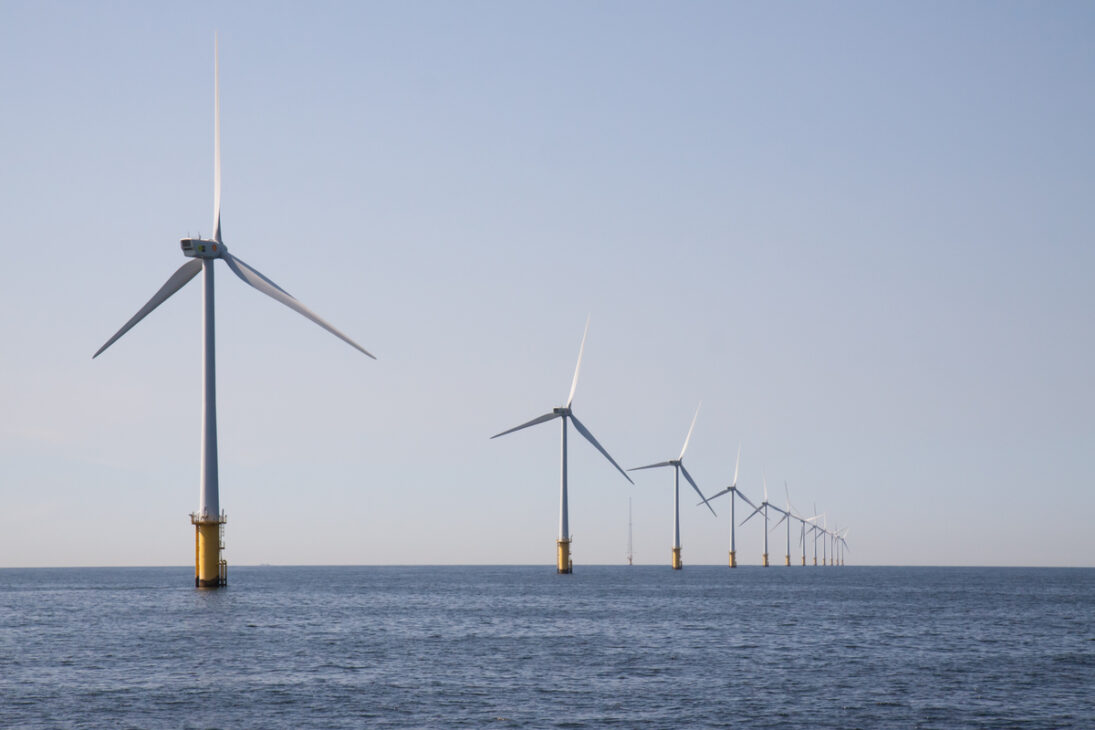
In the North Sea, massive structures created to capture wind reveal an unexpected role on the seabed: they serve as shelter for sharks and rays. Researchers from Wageningen University in the Netherlands have identified that several offshore wind farms are regularly frequented by these species, raising new hypotheses about the potential of these locations as protected marine habitats.
eDNA: “Fingerprints” in the Ocean
To identify these marine visitors, the Wageningen team analyzed 436 seawater samples using environmental DNA (eDNA) techniques, which detect genetic fragments left in the water. This method is considered efficient, non-invasive, and cost-effective; a precise way to confirm the presence of sharks and rays without the need to capture them. Researcher Annemiek Hermans compared the technique to “finding a fingerprint in the ocean,” highlighting its sensitivity.
Five Species Confirmed
The samples were collected from four Dutch wind farms: Borssele, Hollandse Kust Zuid, Luchterduinen, and Gemini, where five distinct species of sharks and rays were identified.
-
Brazil filled the Northeast with wind turbines but now faces the side effect of 705 giant blades reaching the end of their lifespan by 2032 just in Rio Grande do Norte, while the world projects 43 million tons of waste by 2050.

-
Brazil has filled the Northeast with wind turbines, but now it faces the side effect of 705 giant blades reaching the end of their useful life by 2032 just in Rio Grande do Norte, while the world projects 43 million tons of waste by 2050.
-
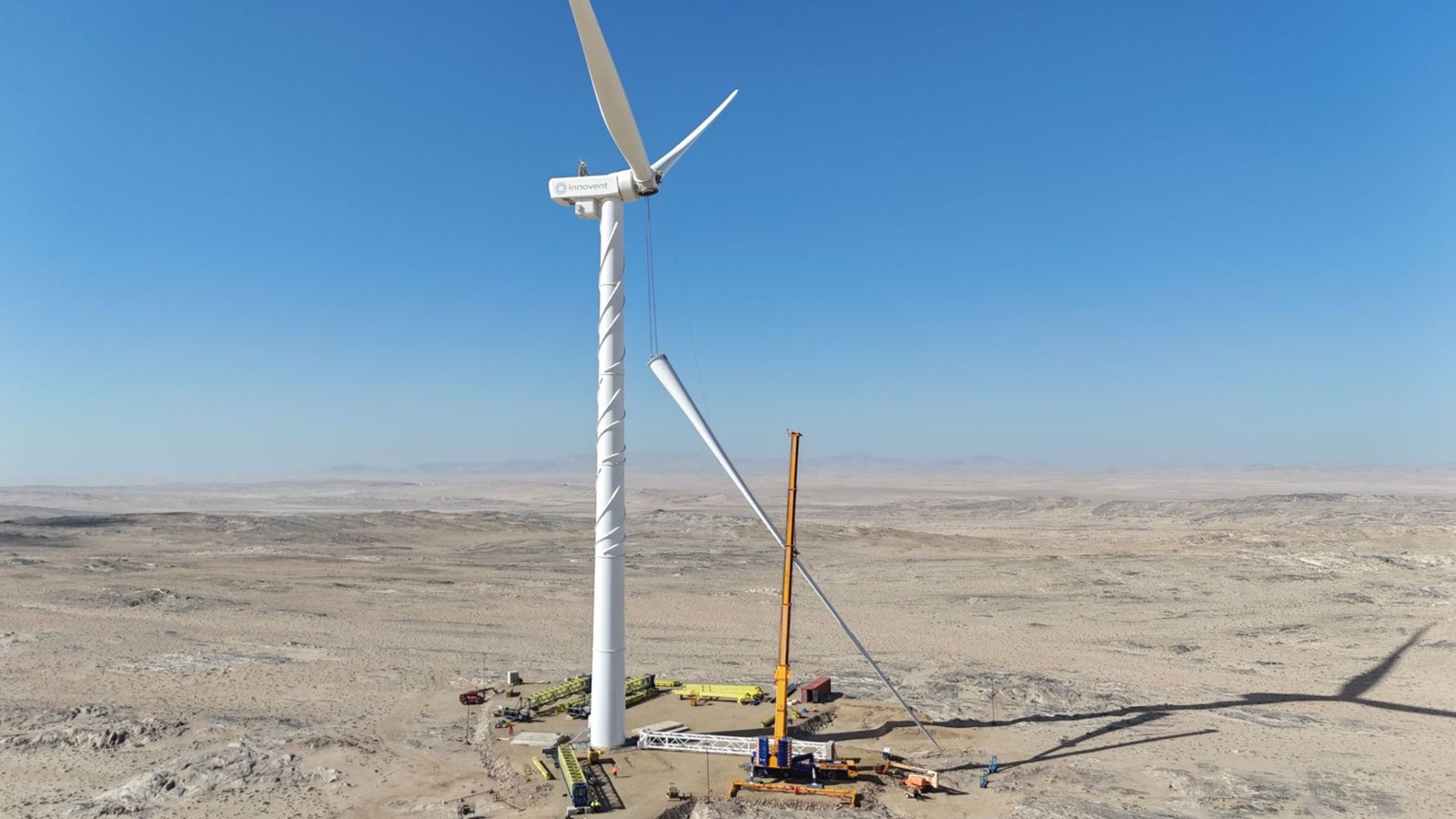
Wind farm in Namibia will have wind turbines assembled without giant cranes and is expected to avoid 200,000 tons of carbon dioxide per year when it becomes operational.

-
Taller than the Statue of Liberty, thousands of wind turbines are being planted in the middle of U.S. fields, creating two-story farms where corn and soybeans grow below while the wind turns into electricity above.



The thornback ray (Raja clavata) was present throughout the year in three of these areas. The basking shark (Cetorhinus maximus), on the other hand, appeared in the winter at Hollandse Kust Zuid, providing new clues about the migratory routes of the species, which were previously poorly understood.
The starry smoothhound (Mustelus asterias) and the common skate (Raja brachyura) were also found, appearing in different seasons and locations, indicating regular use of these habitats.
The Discreet Role of Wind Farms
The safety of these parks for sharks and rays is directly linked to the restrictions imposed in these areas. The ban on trawling protects the seabed, allowing the recovery of benthic organisms that form the food base for these species. Furthermore, limitations on maritime traffic reduce the stress caused by noise and disturbances, creating quieter environments rich in resources. For these reasons, these combined factors may be transforming wind farms into true stable food refuges for these elasmobranchs.
Annemiek Hermans, a researcher from the ElasmoPower project (2020–2030), highlights the risk of relaxing protection rules: “If we start allowing trawling in these areas, we run the risk of losing the protection that these zones can offer.” The project also investigates how the electromagnetic fields generated by submarine cables may affect the electro-sensory senses of sharks and rays, crucial for their navigation and feeding, an aspect that is still poorly understood.
Implications for Marine Policies
The publication of the study in the journal Ocean & Coastal Management comes at a strategic moment for the European Union, which is discussing environmental restoration policies based on guidelines such as the Habitat Directive and the newly proposed Nature Restoration Law. These regulations pave the way for offshore wind farms to be officially recognized as multifunctional zones, capable of combining renewable energy generation with marine conservation, an approach that could redefine European coastal planning in the coming years.
Tests for the Future
The challenge now is to understand whether sharks and rays are merely passing through or if they are indeed adopting these parks as a fixed habitat. To this end, the research team from Wageningen University intends to advance their investigation with the use of underwater cameras, sensors, new eDNA collections, and behavioral tests to assess reproduction, feeding, and migration. The continuation of this monitoring may provide decisive answers on how wind energy parks can function as marine refuge zones, combining clean technology and environmental conservation in an unprecedented coexistence.
Leave your comment and share: Could the union between wind energy and marine conservation be the path to a new era for the oceans?


