Portuguese
  Spanish


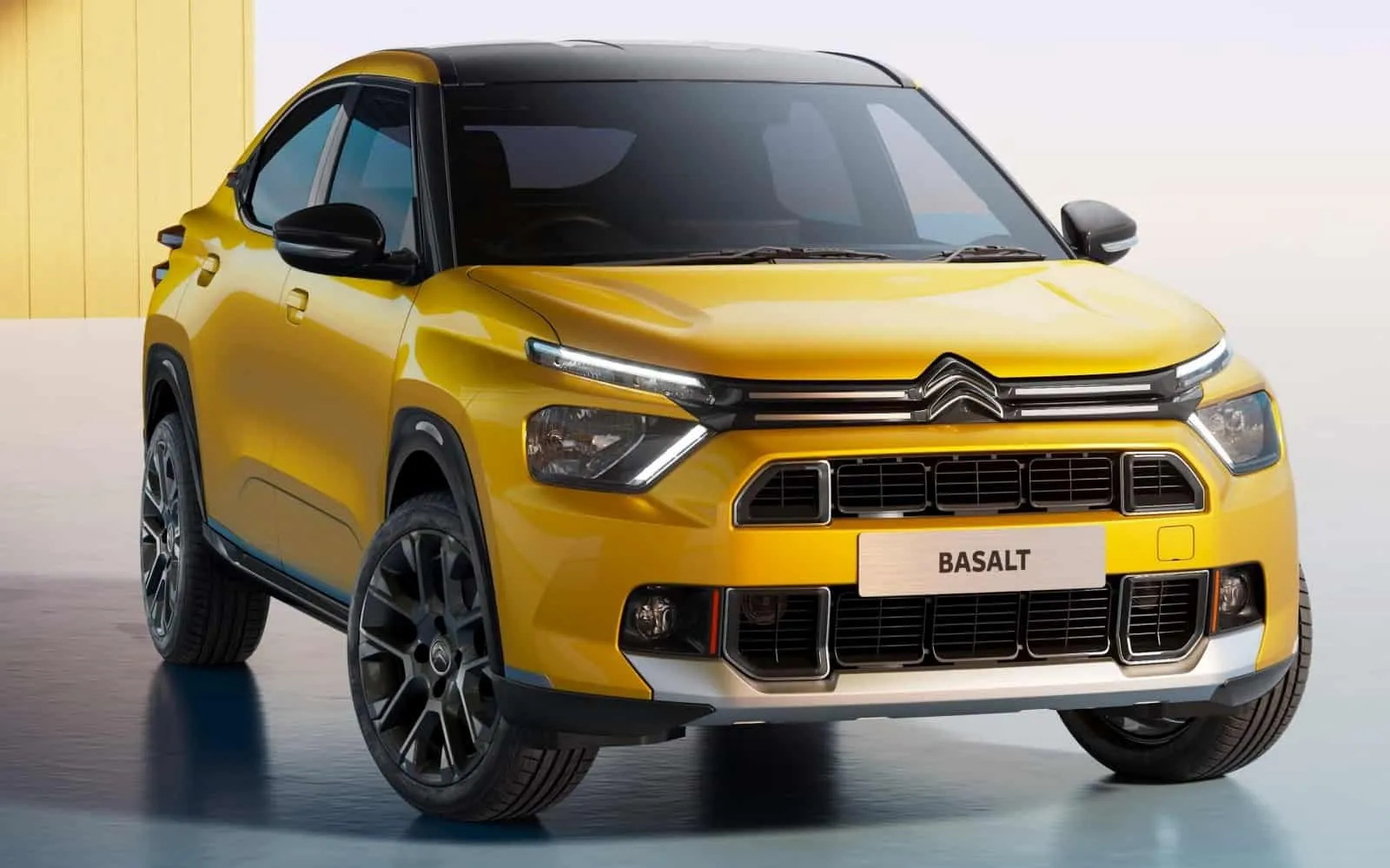

Uber’s attempt to turn Uber Black into a closed club of luxury cars didn’t last long. After a flood of criticism, the company backtracked and reinstated Citroën Basalt and Volkswagen Virtus among the accepted models. The move, made almost silently, shows that even the world’s largest mobility platform cannot resist the voice of drivers.
In WhatsApp groups and specialized forums, the message was clear: excluding cars that deliver comfort and technology but cost less was a shot in the foot. Without the Basalt and the Virtus, the number of Black rides plummeted and passengers faced long waits. Now, with their return, the company is trying to regain the trust of those who truly drive the system.
When Luxury Became a Problem
In trying to raise the standard of Uber Black, the platform had narrowed the list to models from premium brands like Audi, BMW, and Volvo. The intention was to reposition the category, but the effect was the opposite—demotivated drivers and dissatisfied customers.
The retreat was inevitable. The return of mid-range cars shows that the concept of “urban luxury” needs to fit within the Brazilian reality.
-
Chevrolet’s Parent Company to Invest Billions in Brazil to Modernize Factories, Update Cars, and Accelerate Hybrid Launch by 2028

-
Practical Driving Tests in Brazil Surge by 23.5%, Exceeding 2.2 Million by 2026, as New Rules Make the Process Cheaper and Simpler
-
Brazil’s Lula Government Allocates $463 Million Quota for Electric Car Parts, Waives Import Tax Until December, Sparking Competition Among BYD, Automakers, and Unions as Consumers Question Impact on Prices and Local Industry

-
Thinking of Installing LED Headlights? Why Replacing Halogen Bulbs is Still Banned, the Glare Risks Authorities Worry About, and How a New Proposal Could Allow Certified, Safe Installations


The New Balance: Comfort That Makes Sense
The Citroën Basalt, with its modern design, turbo engine, and refined interior, delivers a superior experience without costing double. The VW Virtus, on the other hand, is a symbol of rational comfort—spacious seats, connectivity, and internal silence. Both represent the balance that the public seeks: accessible sophistication.
More than correcting a list, Uber is redefining what it means to be Black. Passengers want status, yes, but they also want to arrive quickly and pay a fair price. And this is only possible when there are more cars on the road.
By reincluding Basalt and Virtus, Uber acknowledges that exclusivity without convenience makes no sense. The true luxury is having a comfortable car available in minutes—and in this, Uber Black returns to being what it always should have been: the perfect balance of comfort, efficiency, and prestige.