Portuguese
  Spanish


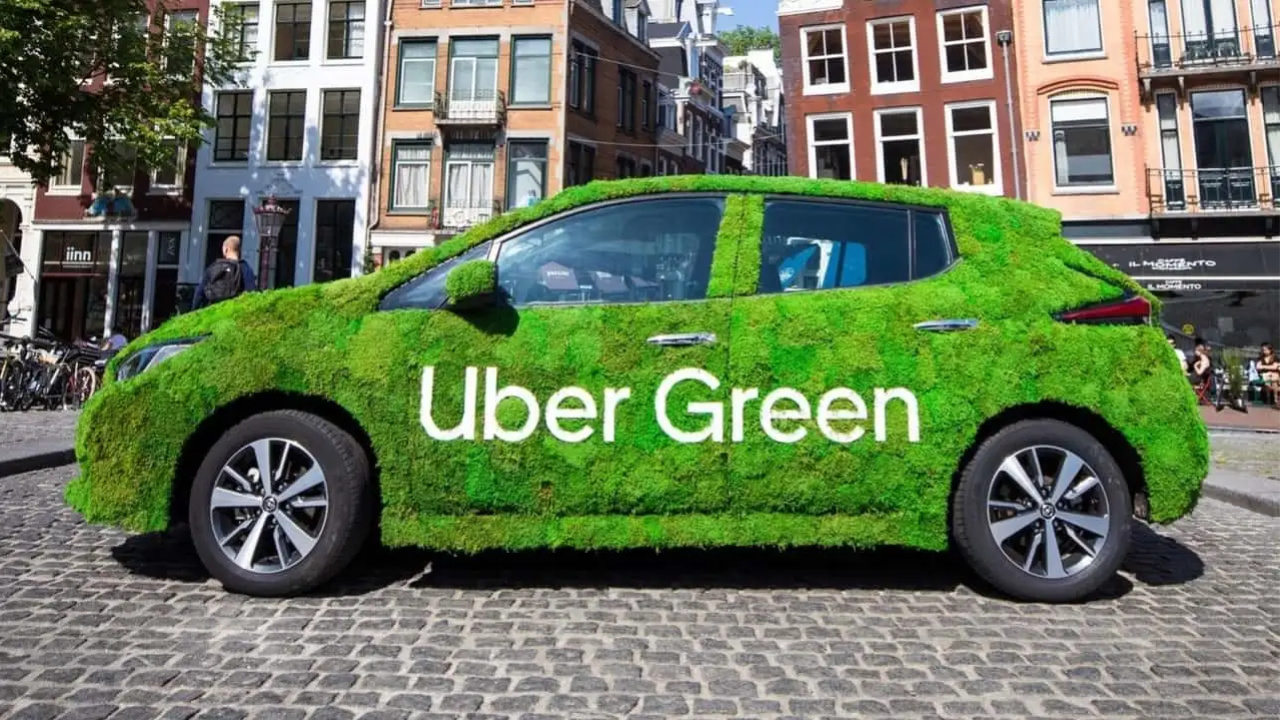


Uber Green Debuts In Rio de Janeiro On September 15, 2025, Offering Rides In 100% Electric Cars And Reinforcing The Company’s Global Commitment To Sustainable Mobility.
Starting September 15, 2025, residents of Rio de Janeiro will have a new transportation option: Uber Green. The service connects users to partner drivers who use 100% electric vehicles, providing rides with zero emissions. The service is already considered a milestone in urban mobility in Rio, bringing more technology and sustainability to daily life.
According to Uber, this new option helps improve air quality and reduce carbon footprint, in addition to encouraging the use of more modern and quieter cars.
How Uber Green Works
To request the new category, the process is simple. The user opens the app, enters the desired destination, selects the Uber Green option, and confirms the ride. Then, they can track the vehicle and driver data in real-time, just as they can in other service categories on the platform.
-
Electric and Hybrid Cars Set to Transform Brazilian Streets: A New Era Begins

-
Chinese Giant Invests $1.3 Billion in Brazil to Produce 50,000 Cars Annually, Create Jobs, Develop Local Suppliers, and Manufacture Electric, Hybrid, and Combustion Models by 2027

-
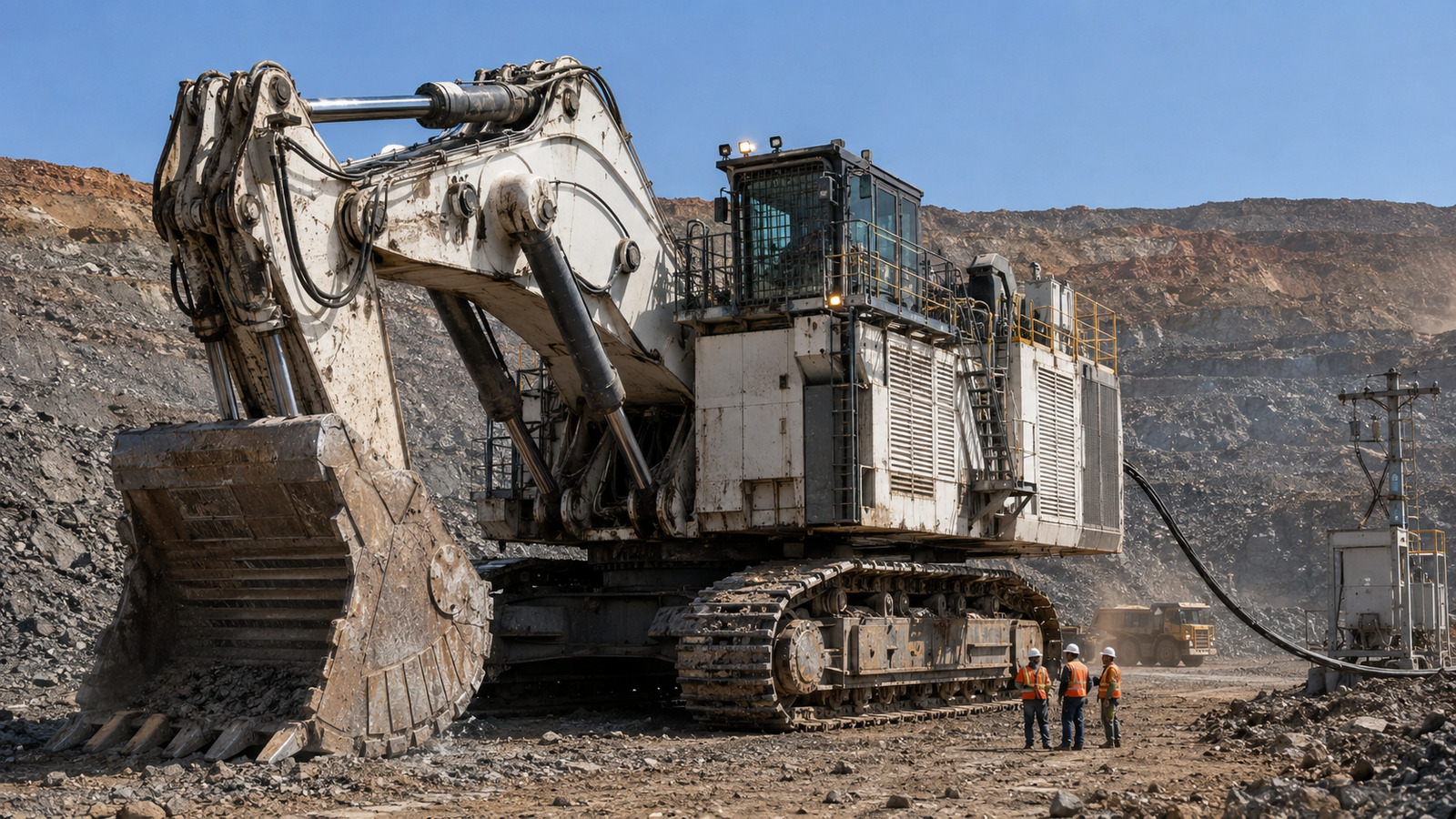
Unprecedented achievement in India: a colossal 650-ton, nearly 3,000 hp excavator is transformed into 100% electric, marking a new phase in heavy mining.
-
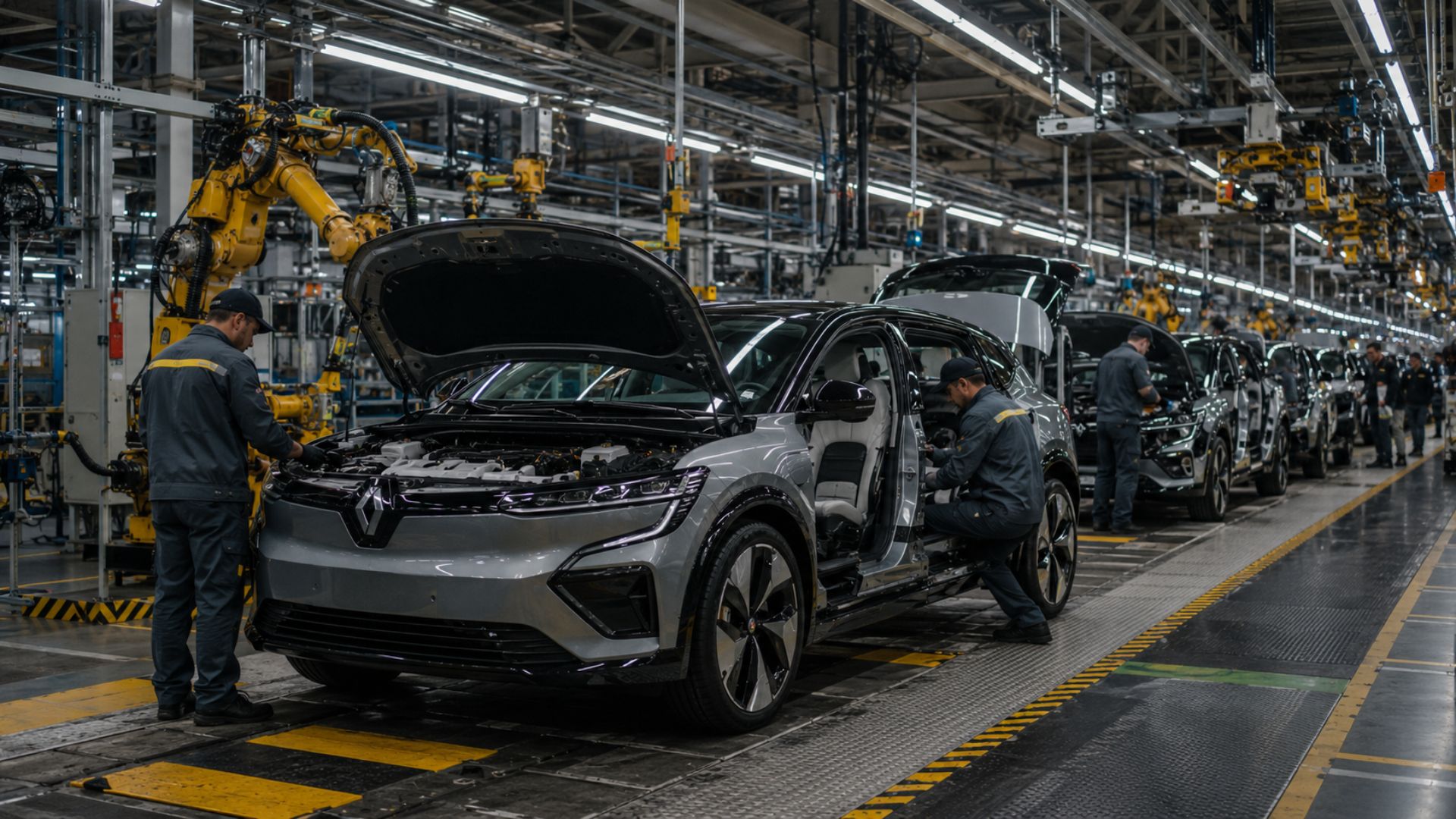
Frightened by the speed of Chinese manufacturers, Renault decided to mimic the pace, made the new electric Twingo in just 21 months, wants to repeat the feat with 36 models by 2030, and along the way, will cut up to 2,400 engineering positions.

Initially, the service will operate in a designated area of Rio. However, there is an expectation for rapid expansion as more drivers adopt compatible vehicles.
Incentive To Electrification Of The Fleet
According to Silvia Penna, General Director of Uber in Brazil, the proposal is to encourage the adoption of electric vehicles. “Just as we are seeing in São Paulo and many other cities around the world where the category is already present, our expectation is that Uber Green will increasingly encourage Rio drivers to switch to electric vehicles, which are more economical and less polluting. Uber has a role in accelerating this change and bringing users closer to more sustainable choices in their daily lives,” she emphasized.
The arrival of this category comes at a strategic moment, as Rio de Janeiro will host internationally significant climate events in 2025, such as the C40 World Mayors Summit and the Earthshot Prize, both scheduled for November and considered part of the preparatory agenda for the COP-30 in Brazil.
Uber claims to currently be the world’s most accessible platform for zero-emission rides. In the United States, Canada, and Europe, drivers have been adopting electric vehicles at a rate up to five times faster than the market average. This is due to financial incentives, strategic partnerships, and product improvement investments the company has promoted in recent years.
Electric Cars In Ride-Hailing Apps: A Global Demand
The global advancement already allows millions of people to have their first experience in an electric car through Uber, which helps accelerate acceptance of this type of mobility.
Cities like London, Vancouver, and Amsterdam already show the impact of electrification on the platform. In these locations, more than a third of rides taken through Uber are made with electric vehicles, reflecting integrated public policies, expanding charging networks, and engagement from the automotive industry.
Silvia Penna emphasizes that this transition is only possible through collective effort. “Uber believes that the transition depends on collective action between governments and the private sector. Our commitment remains strong: the future of mobility will be shared, electric, and autonomous. This transformation is already underway in various parts of the world and will grow even more in Brazil,” she stated.