Portuguese
  Spanish


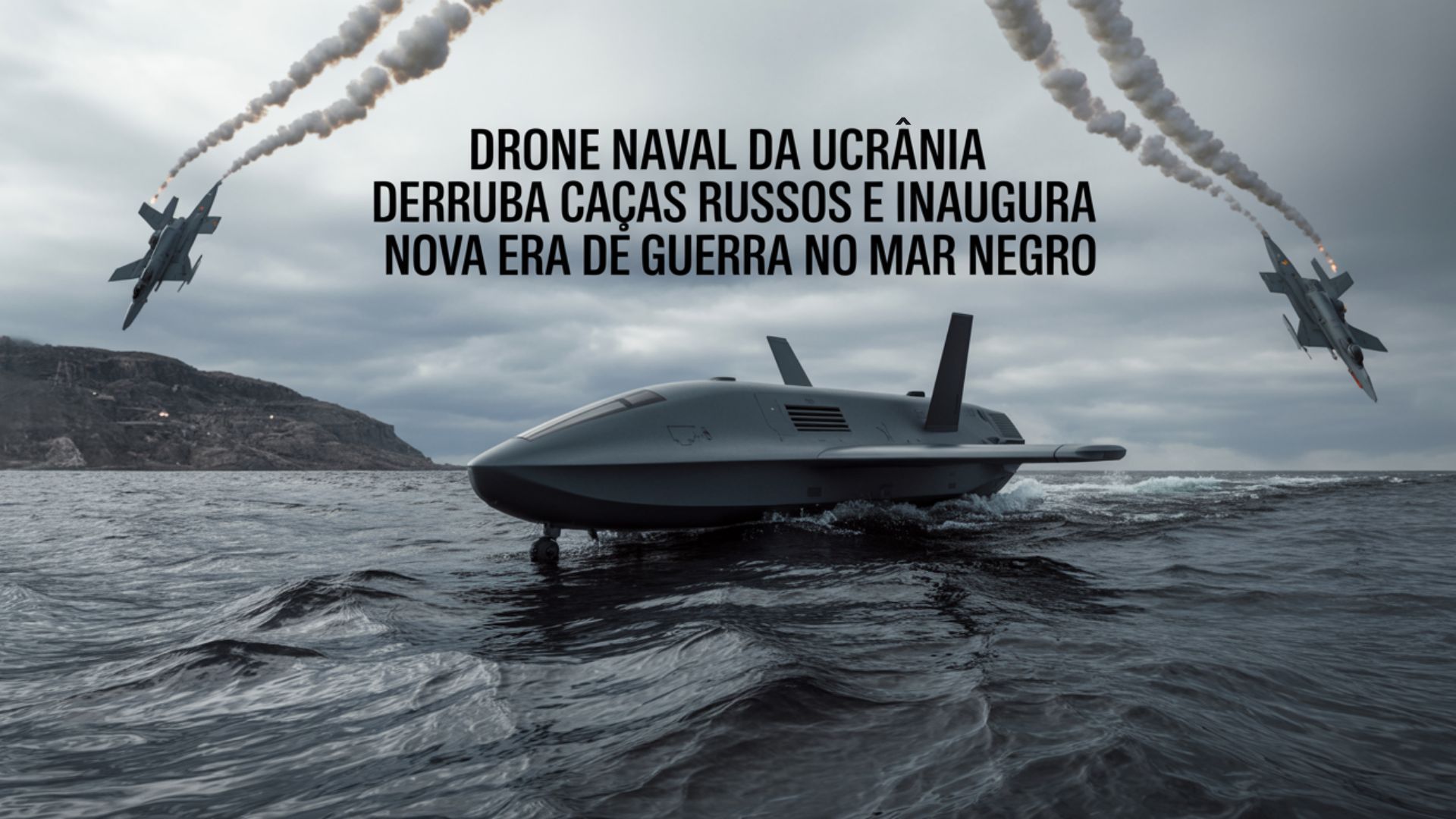

In Novel Operation In The Black Sea, USV Destroys Two Su-30 Flankers, Marking The First Victory Of An Unmanned Surface Vehicle Against Manned Aircraft.
Ukraine officially presented the naval drone Magura V7, a new model developed for offensive actions in the Black Sea. The revelation came after the successful use of the equipment in an operation that resulted in the downing of two Russian Su-30 Flanker fighters, near the port of Novorossiysk, on Russia’s coast. This marks the first time in history that manned aircraft have been shot down by unmanned surface vehicles, also known as USVs (Unmanned Surface Vehicles).
The operation was confirmed by Kyrylo Budanov, head of Ukraine’s Defense Intelligence Directorate, who highlighted the operation of three Magura V7 drones in the mission. The attack took place in a strategic naval area, used by the Russian Navy after the transfer of vessels that were originally positioned in Sevastopol, Crimea.
Ukrainian Naval Drone Is Equipped With Sidewinder Missiles
Unlike earlier versions, such as the Magura V5, the new Magura V7 does not have an explosive payload in the front. Instead, it uses AIM-9 Sidewinder missiles, mounted on elevating rails, which allow for shots at aerial targets with greater range and flexibility of movement. The structure of the drone is approximately 8 meters long and was designed to maintain performance in adverse maritime conditions.
-
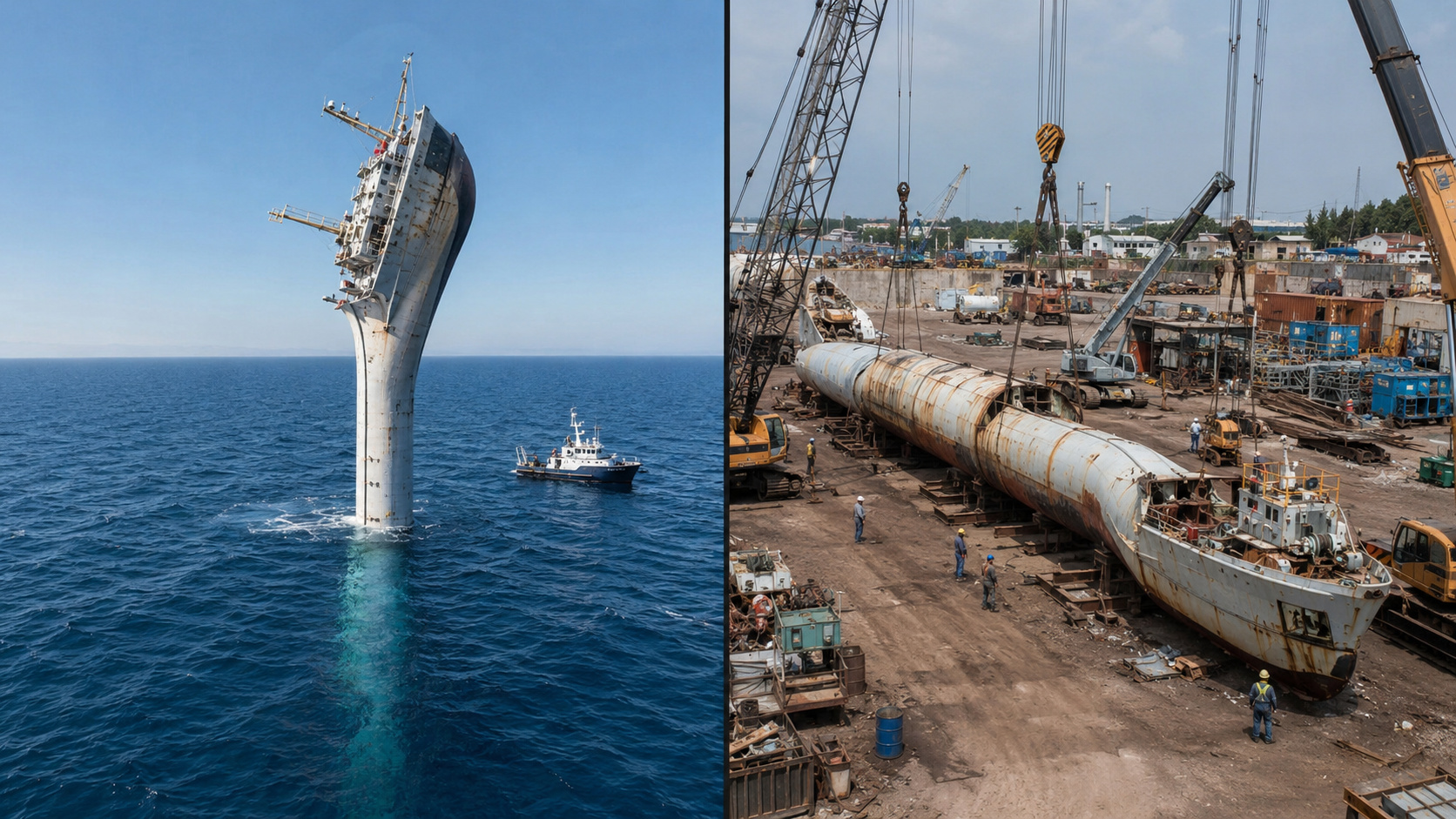
The FLIP: A 108-Meter Ocean Laboratory That Stood Vertically for 60 Years, Dismantled in 2023

-
North Korean Fiasco: Launch of the Largest Warship Ends in Sinking

-
While giant ships still burn heavy fuel and the maritime sector races against climate targets, Maersk and Vale are starting to bet on ethanol as a new route to reduce emissions at sea.

-
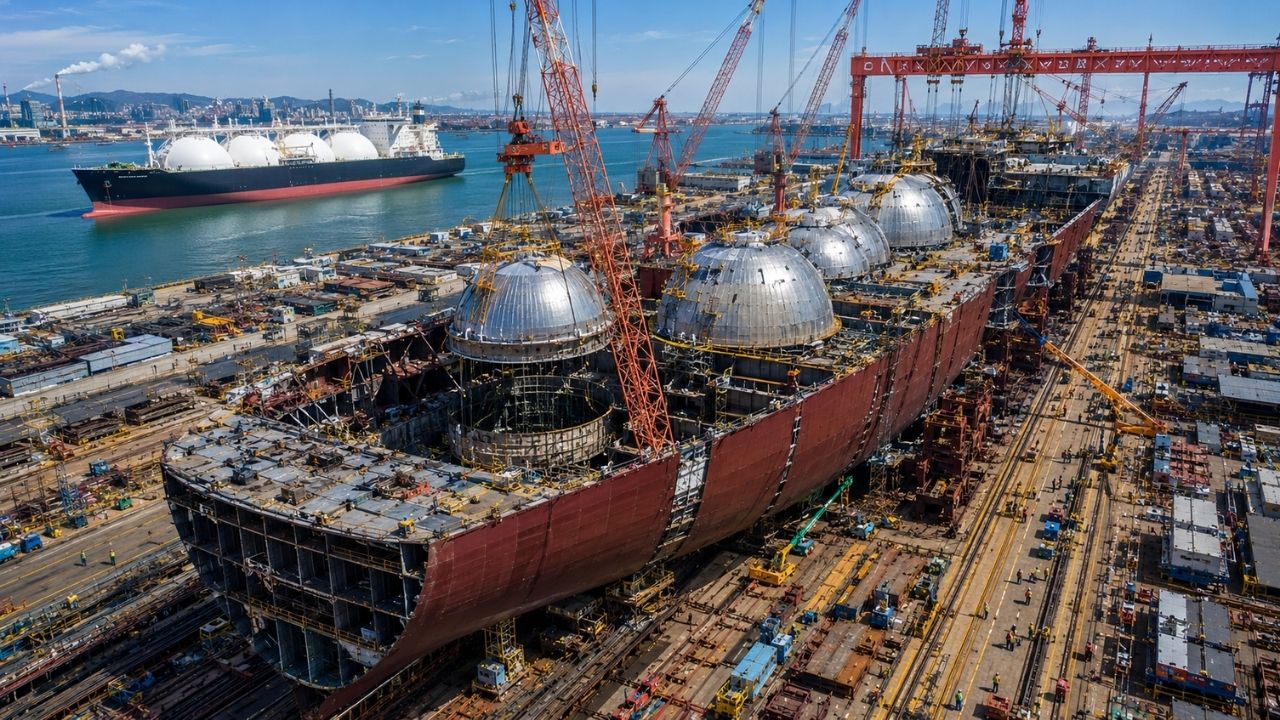
China begins construction of the world’s largest LNG ship, a 344-meter giant capable of supplying 4.7 million homes for a month, carrying 271,000 m³ of gas, and placing QatarEnergy in the largest naval order ever recorded in world history.


According to images released and Ukrainian military sources, the Sidewinder system installed on the drone is remotely operated and has the capability to engage fighters, helicopters, and drones, significantly extending the operational range of the platform.
Downing Of Russian Fighters Signals Change In Naval Warfare
The downing of the Russian fighters represents a milestone in the evolution of modern warfare, particularly in the use of unmanned systems in naval and aerial operations. Defense experts assert that the action demonstrates the viability of deploying armed surface drones with air-to-air missiles in real combat. The capability to target aircraft with munitions launched from the sea, without crew on board, enhances the tactical range of armed forces adopting this type of technology.
In addition to the direct impact on Russia’s aerial assets, the use of the Magura V7 naval drone also challenges traditional concepts of naval air security, introducing a new variable in the control of disputed maritime spaces.
Russia Strengthens Port Of Novorossiysk
The port of Novorossiysk, where the Ukrainian operation took place, has gained relevance in recent months. After several attacks on Russian military installations in Sevastopol, the Russian navy began transferring part of its fleet to the site, seeking additional protection in the Black Sea.
The introduction of the Magura V7 alters the local balance, demonstrating that even theoretically protected areas can be reached by emerging technologies. Ukraine’s initiative also aligns with a broader strategy of using aerial, ground, and naval drones to compensate for disadvantages in conventional military power against Russian forces.
Ukraine Excels In The Use Of Unmanned Technologies
Since the beginning of the conflict, Ukraine has proven to be one of the most active countries in the development and use of autonomous systems in the battlefield. The success of the Magura V7 naval drone reinforces this position, representing a novel and effective application of unmanned technology in a real combat context.
The Magura V7 joins a series of initiatives involving kamikaze drones, remotely guided missiles, and artificial intelligence surveillance systems. These tools have been frequently utilized by Ukraine to target strategic Russian assets, both in Ukrainian territory and in areas under Russian control.
Possible Global Impacts And New Military Strategies
The effectiveness of the Magura V7 could influence the development of military doctrines in other countries. International experts note that the combination of surface drones with guided missiles offers a low-cost and high-impact alternative in maritime operations.
The ability to engage aerial targets with naval drones raises new questions about air defense and protection of military assets in coastal regions. The episode involving the Russian fighters indicates that even traditional air forces may face challenges against innovations in autonomous weaponry.