Portuguese
  Spanish


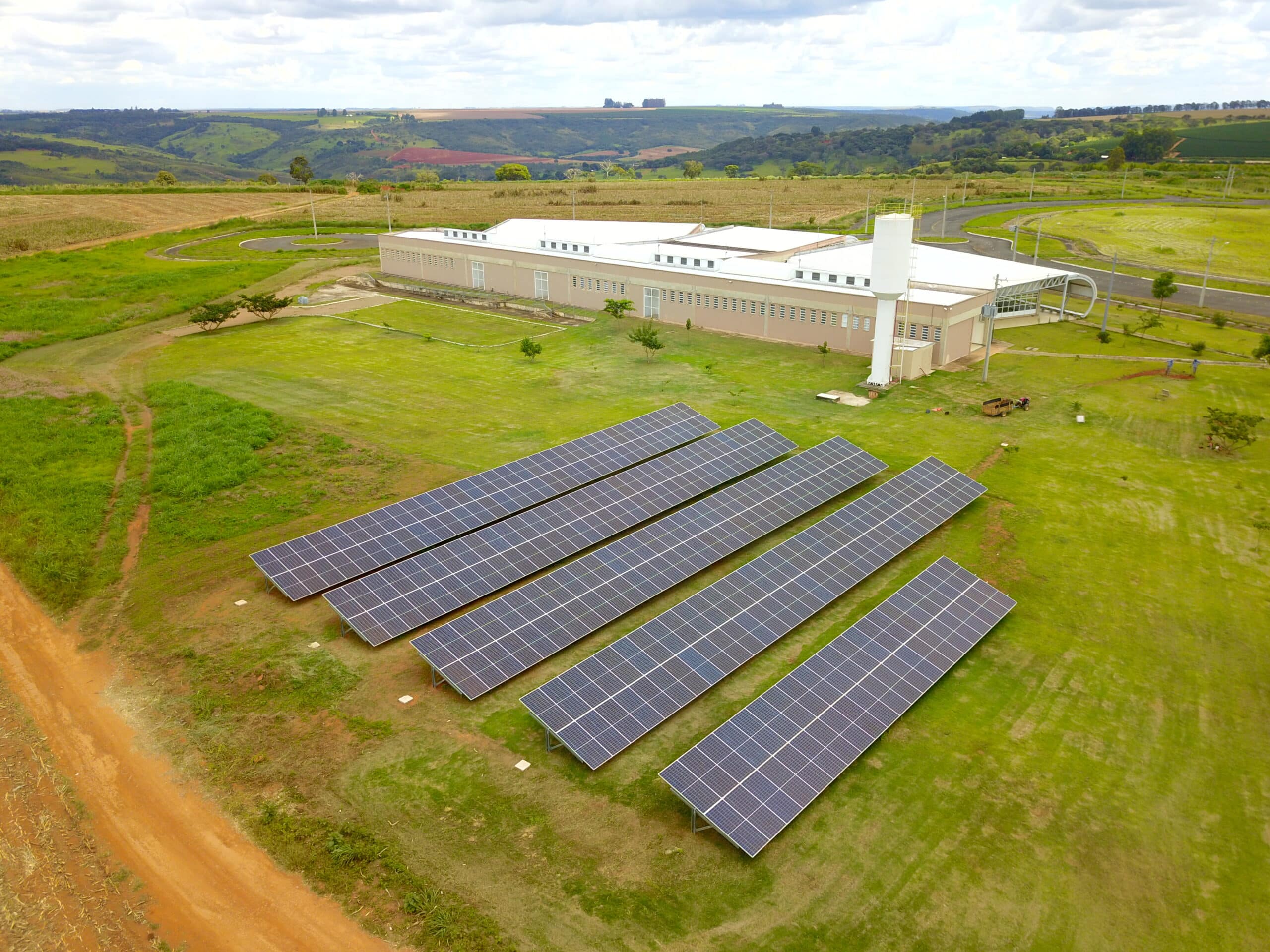

Universities in Minas Gerais, UFMG and UFV, Will Receive, By the Second Semester of This Year, Three New Solar Power Plants for Their Campuses
Two of the most important federal universities in Brazil, the Federal University of Minas Gerais (UFMG) and the Federal University of Viçosa (UFV), have just entered the historical marker of renewable energy and will receive a total of three new photovoltaic solar power plants to supply their campuses, with a total of 1,600 collection modules.
See Also
UFMG Solar Power Plant Will Feature 700 Photovoltaic Modules
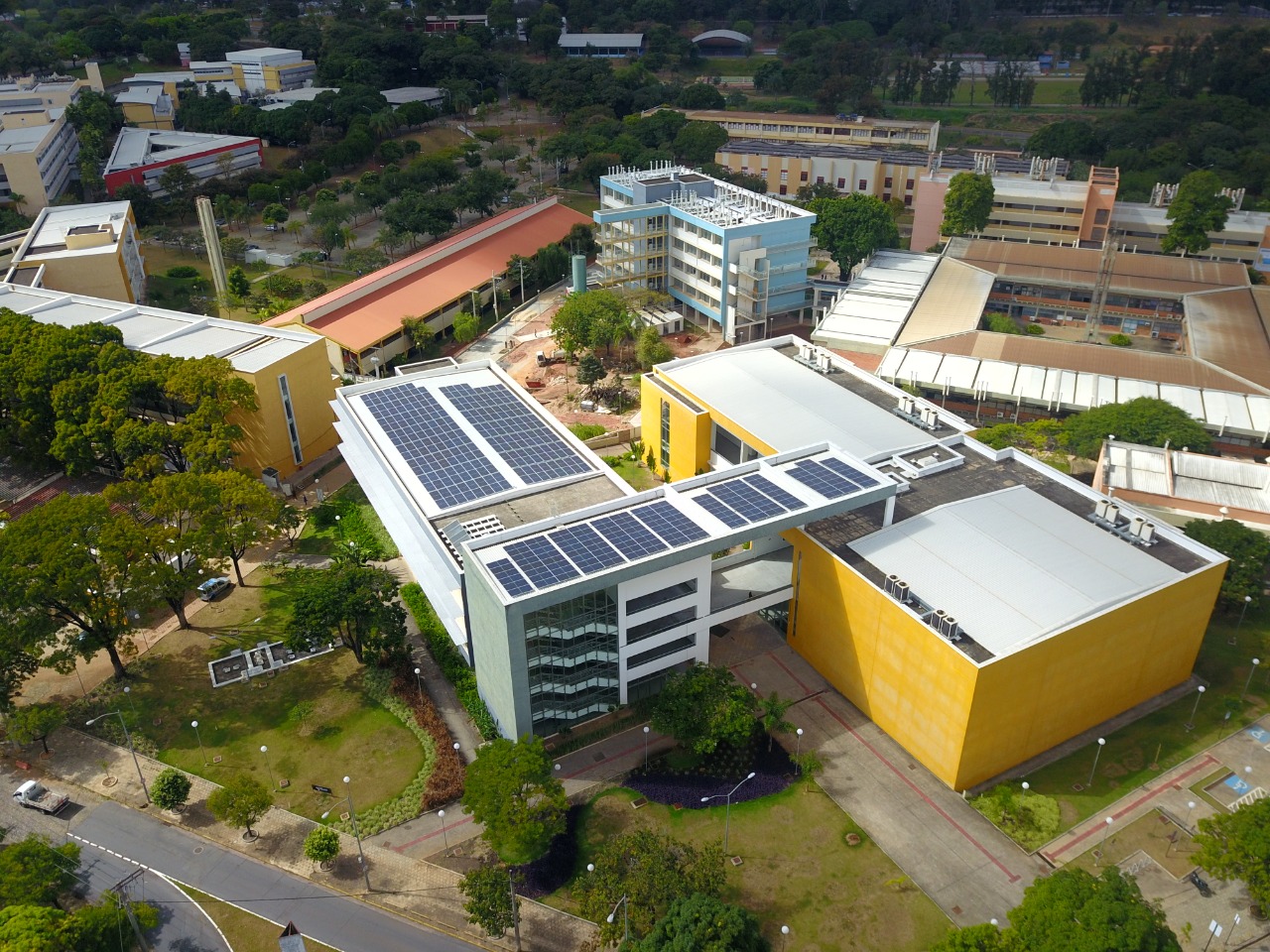
Starting with the solar power plant that will be installed on the roof of UFMG and that will cover an area equivalent to 2,015m2, with 700 photovoltaic modules spread across the roof, UFMG’s area is expected to capture a significant amount of solar energy, as it will have a power of 278 kWp, according to the full professor of electrical engineering at UFMG, Braz de Jesus.
With just the solar power plant on the roof of the Teaching Activities Center (CAD), the campus would already have enough autonomy to supply more than three buildings in the area and inject the excess to offset the consumption of the main building.
-
Fired during apartheid and with a little borrowed money, an electrician started with a borrowed truck and transformed electrical services into a group connected to energy, real estate, and infrastructure in South Africa.

-
Wood has ceased to be just a construction material in Yale research and has become insulation for electrical transformers that face intense heat, aging, and increasing pressure from the renewable energy-powered grid.
-
More than 1,000 residents of a remote island in Kiribati now have clean water and electricity with solar systems operated by the community itself.
-
Ceará brings together 7 giants and R$ 66 billion to transform Pecém into the largest green hydrogen hub in Brazil, with final decisions expected by the end of 2026.



More Than 1,000 Solar Panels Will Be Implemented in the New Solar Plants in MG
-

Aerial photo of the Photovoltaic Plant of the Buildings of CAD, at UFMG_Credit Archive Onergy Solar -

Photovoltaic Plant UFV Florestal Unit – credit Archive Ownergy Solar -
Photovoltaic Plant UFV Rio Paranaíba Unit – credit archive Ownergy Solar -
Photovoltaic Plant UFV Florestal Unit – credit Archive Ownergy Solar -
Aerial photo of the Photovoltaic Plant of the Buildings d … at UFMG_Credit Archive Onergy Solar
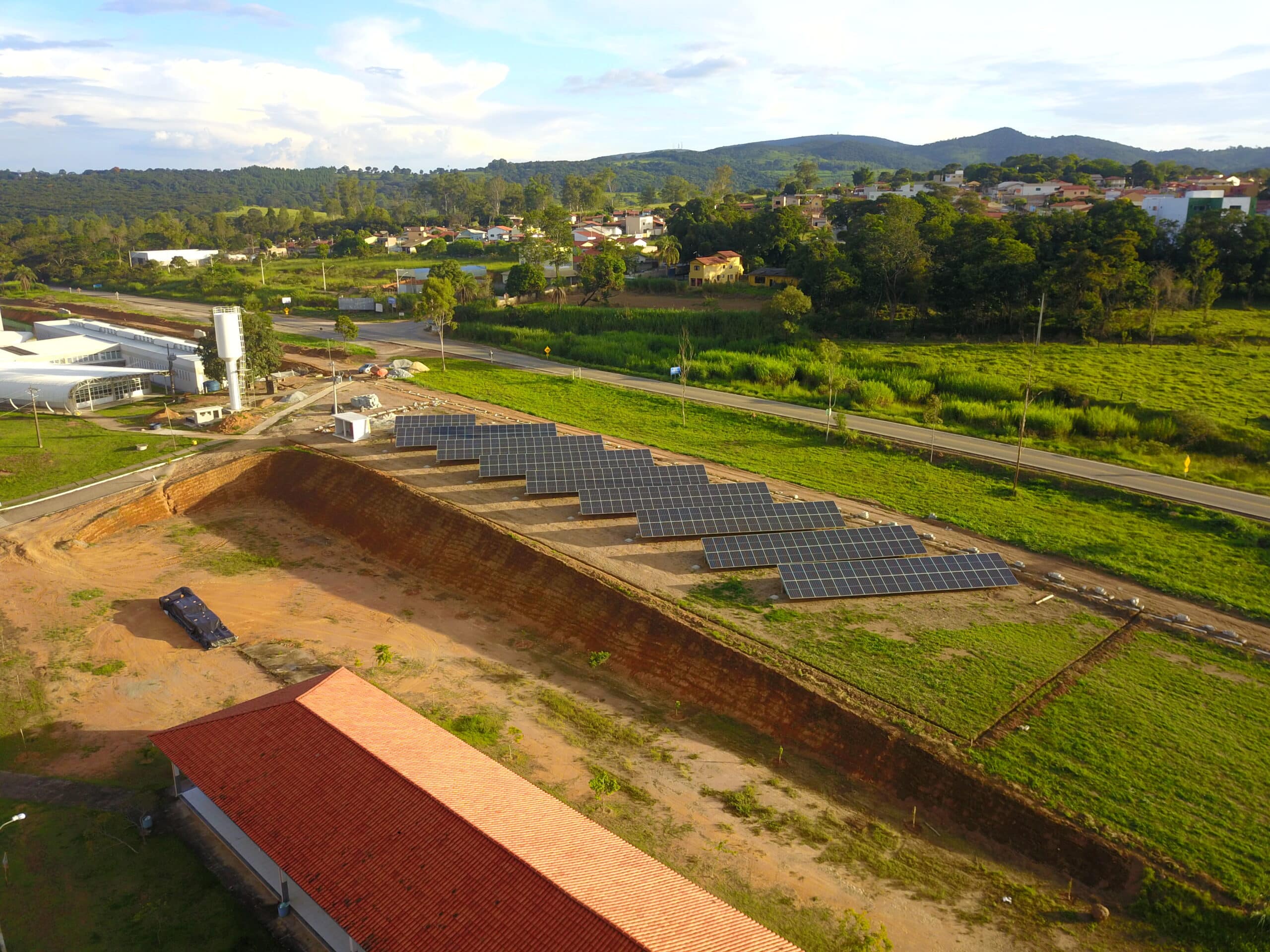
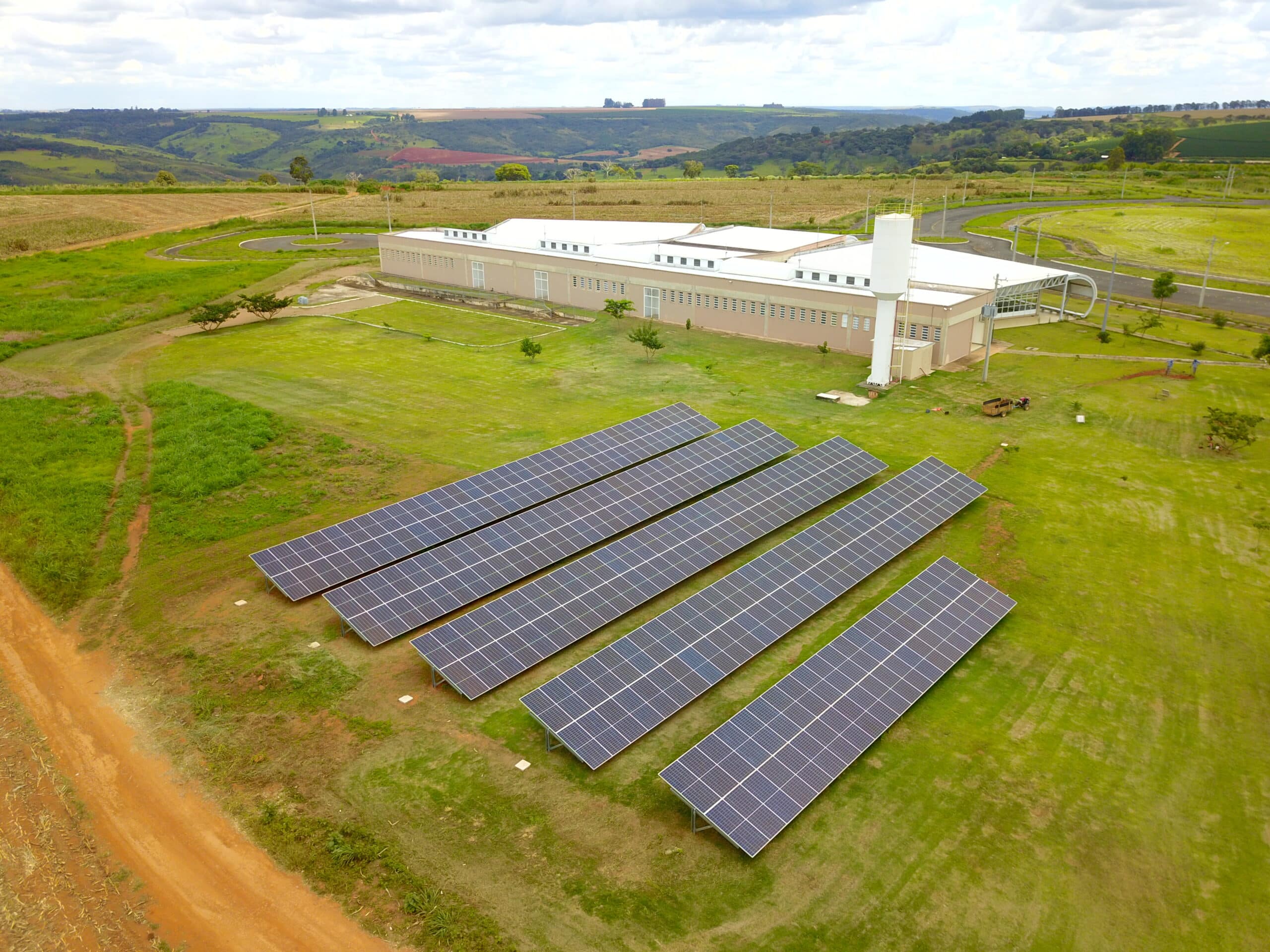
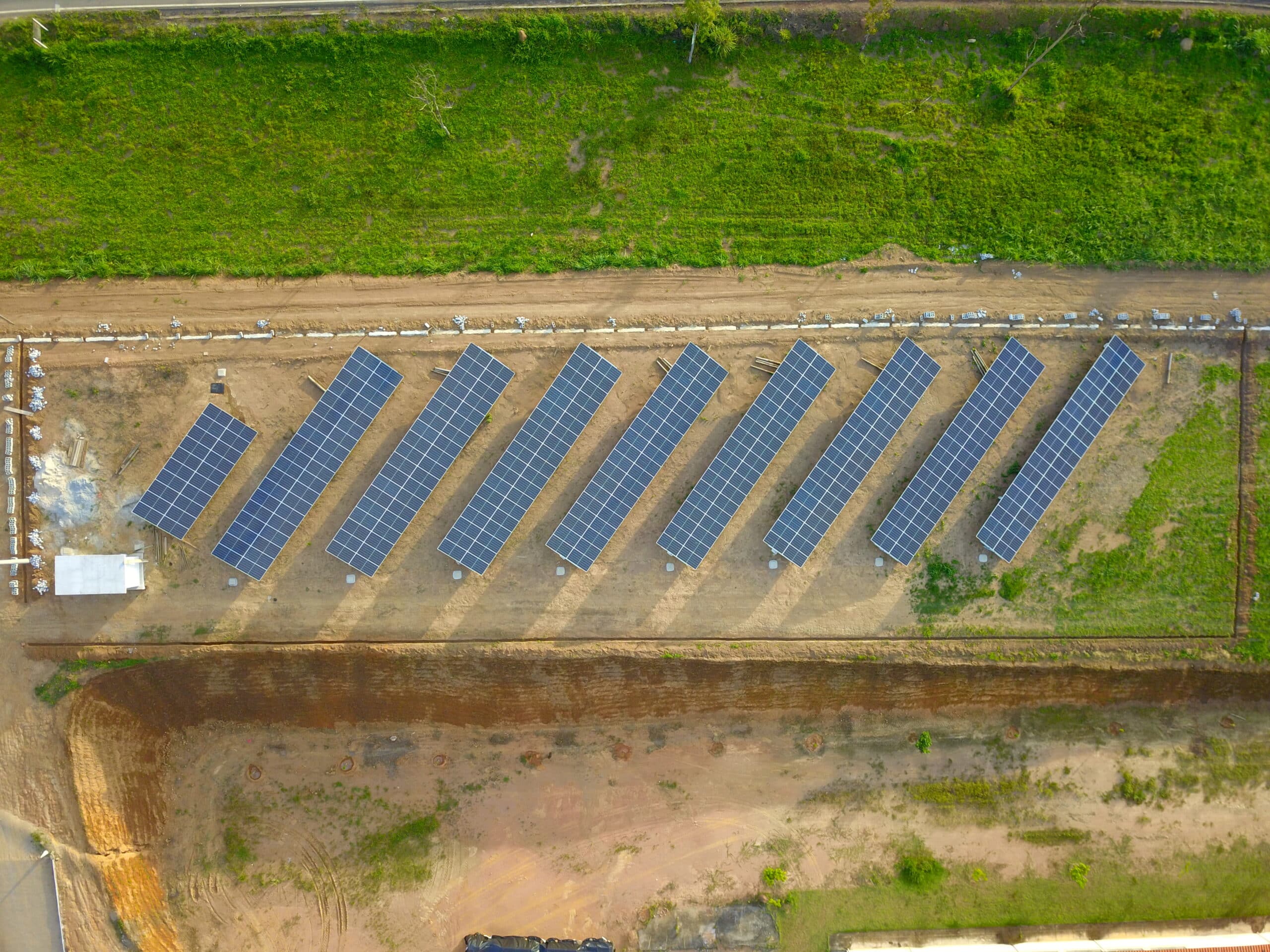
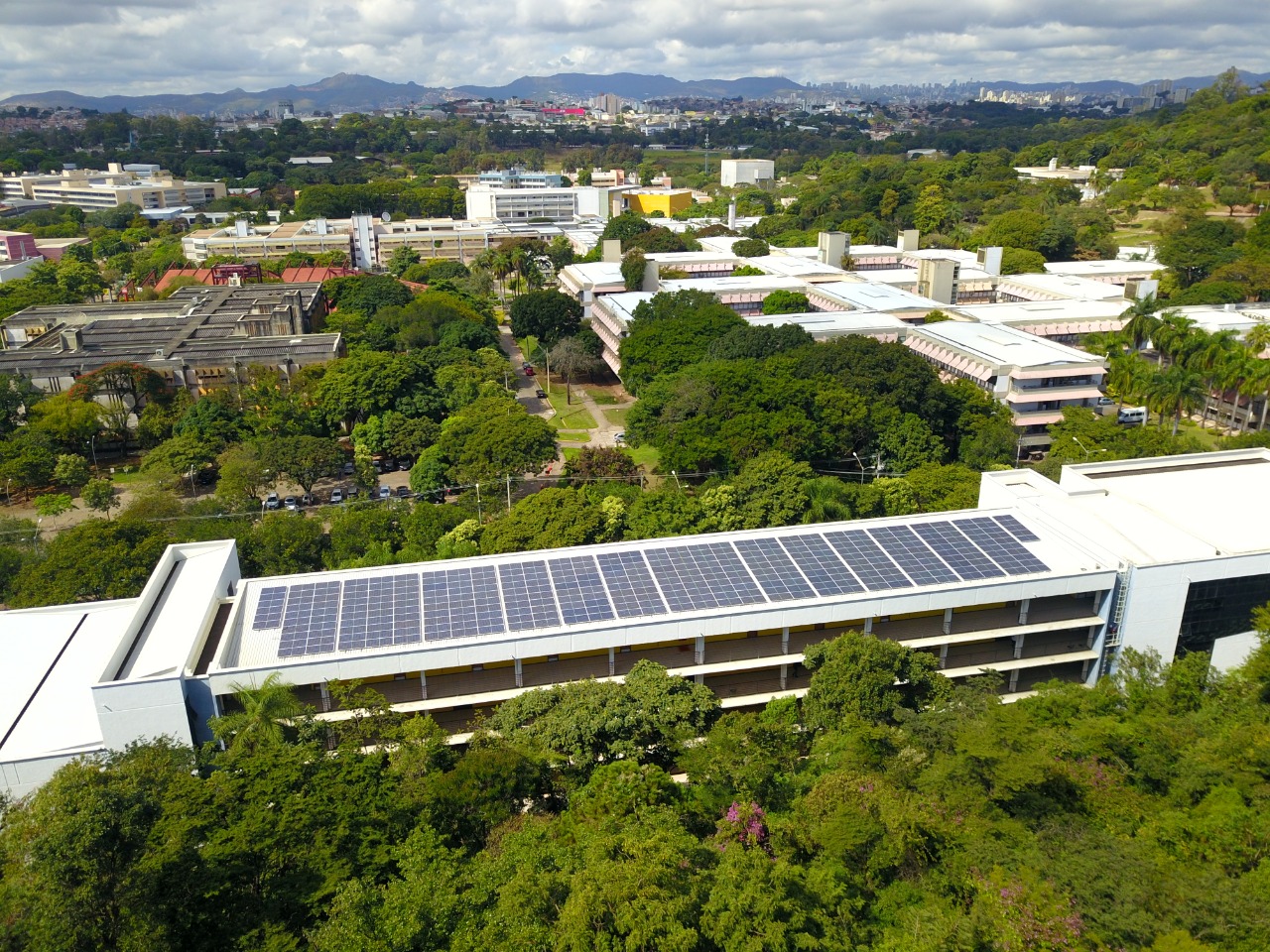
Totaling a power of 660 kWp, the solar power plants at the campuses of UFMG and UFV are expected to reach a total equivalent to 450 households, with an average consumption of only R$ 170 per month on electricity and will occupy about 7,000m2.
The investments made for the development of the new solar power plants at UFMG and UFV go far beyond the economic factor. By generating renewable and clean energy, the campuses contribute to the reduction of CO2 levels, in addition, of course, to facilitating and expanding the knowledge of local students on the subject.
Increase in Renewable Energy Generates Optimism for the World to Meet Climate Goals


The head of the International Energy Agency (IEA) states that he is more optimistic that the world will meet its climate goals after the rapid expansion of renewable electricity was revealed, the fastest in two decades.
The IEA’s renewable energy market update, on Tuesday, revealed that the amount of renewable electricity capacity added in 2020 increased by 45%, to 280 gigawatts, which it claims is the largest year-on-year increase since 1999.
“Wind and solar energies are giving us more reasons to be optimistic about our climate goals, as they break record after record. Last year, the increase in renewable capacity accounted for 90% of all expansion in the global energy sector,” said IEA Executive Director, Fatih Birol.
“Governments need to seize this promising moment, through policies that encourage greater investment in solar and wind energy, in the additional grid infrastructure they will require, and in other important renewable technologies such as hydropower, bioenergy, and geothermal. A massive expansion of clean electricity is essential to give the world a chance to meet its net zero goals.”
According to the latest IEA market update, global wind capacity additions nearly doubled last year, with 114 GW, while there was a 23% expansion of new photovoltaic solar installations, reaching nearly 135 GW.