






 Portuguese
  Spanish


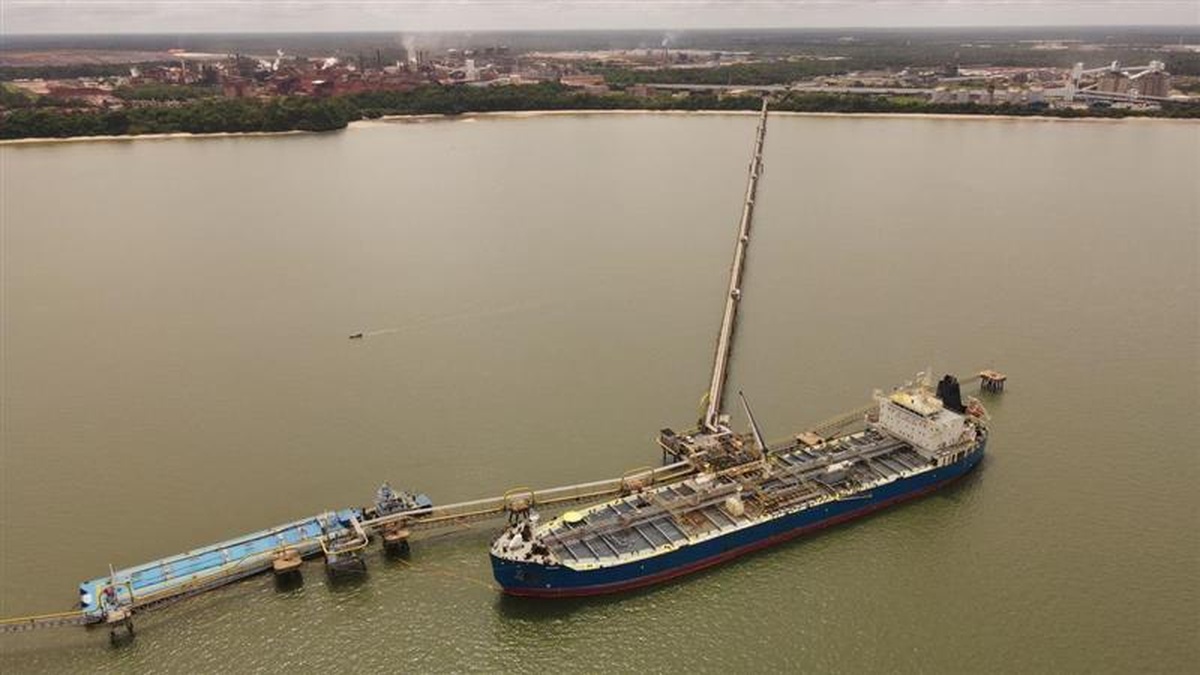
Largest Movement In History At The Vila Do Conde Terminal Brings Innovative Solutions And Consolidates The Company’s Strategic Position In The North Of The Country
In July 2025, Ultracargo carried out the largest operation in its history at the Vila do Conde Terminal in Pará. A total of 47 thousand cubic meters of diesel and marine diesel were handled, marking a historic achievement for the region’s logistics.
The action, considered unprecedented, combined night docking, multiple barge loadings, and simultaneous operations between ship and tank. Thus, it generated significant operational gains, reinforcing the terminal’s role as a strategic logistics hub in the Northern Arc.
Unprecedented Logistics Operation
The record movement was the result of a carefully planned strategy. Therefore, according to data released by the company, the operation reduced the ship’s stay time by 28%, avoiding at least one day of demurrage.
-
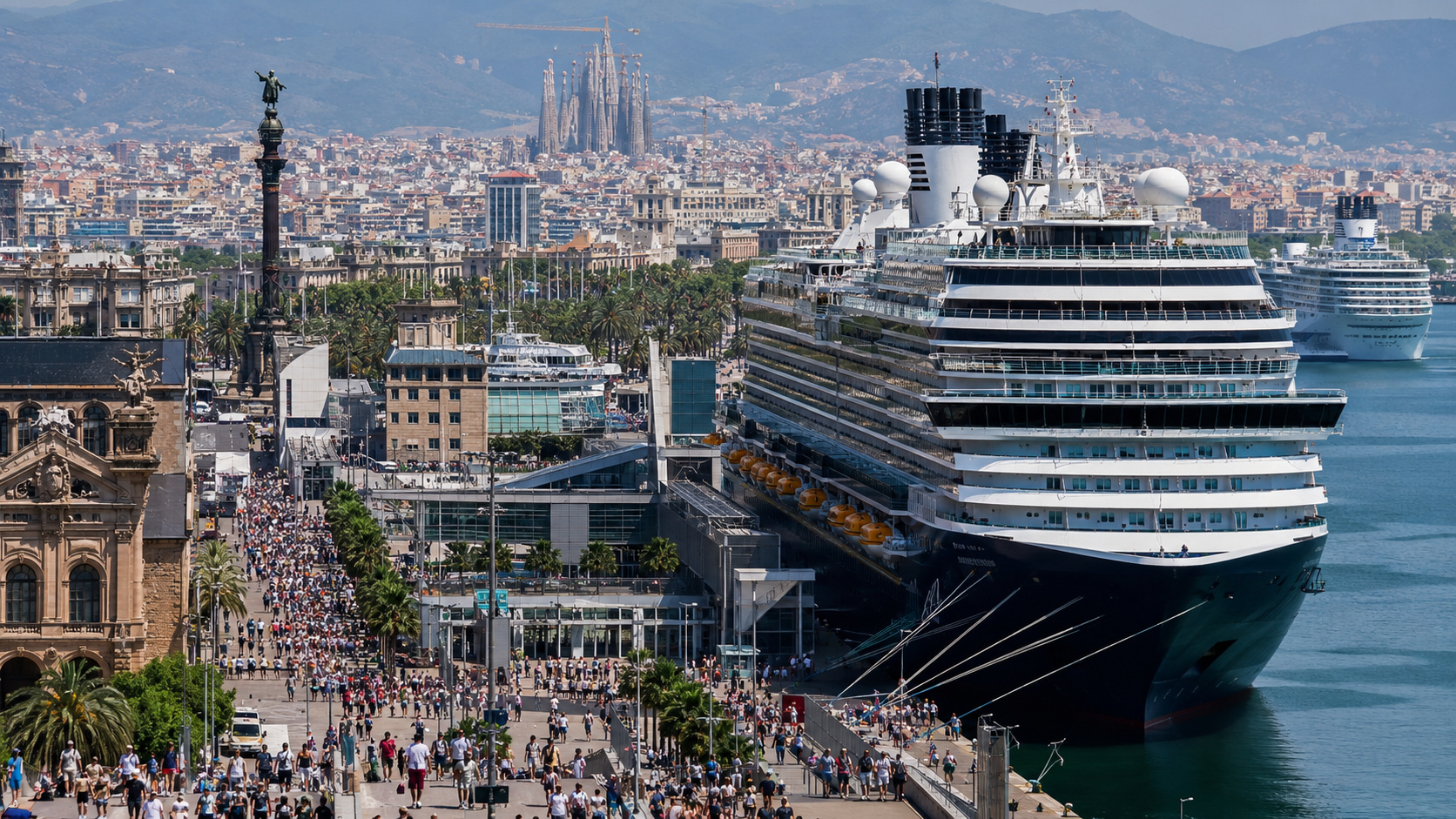
While many ports want to grow, Barcelona has decided to do the opposite and will cut cruise terminals from 7 to 5 after pressure from residents, protests, and crowds.

-
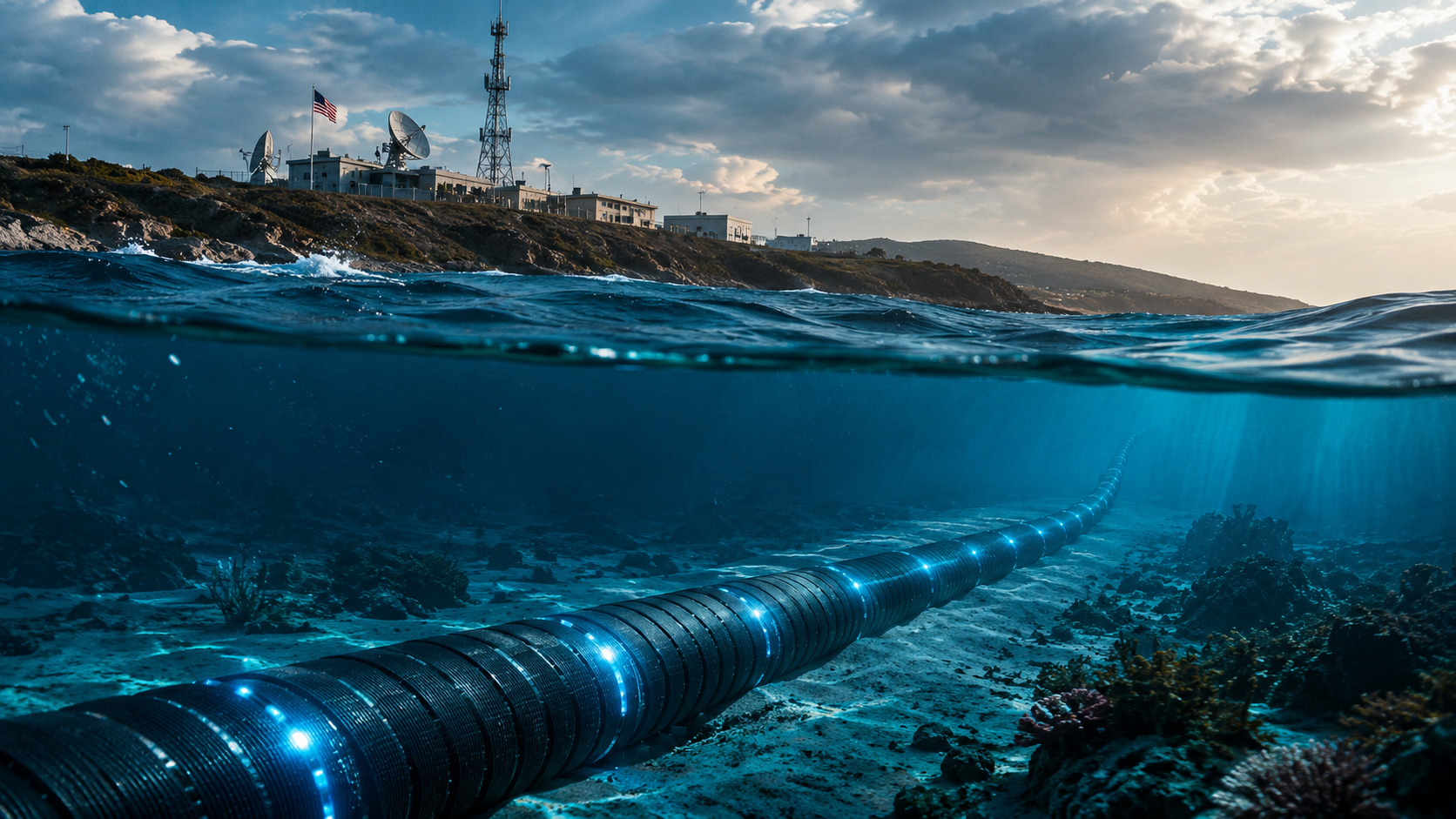
The United States wants to tighten control over submarine cables that carry 99% of international internet, silently cross oceans, total more than 400 routes worldwide, and have become a strategic piece in the competition for data, technology, and suppliers.
-
European Union looks again at Brazilian seafood after a nearly 8-year ban and may unlock a coveted market for lobster, tuna, tilapia, and shrimp.
-
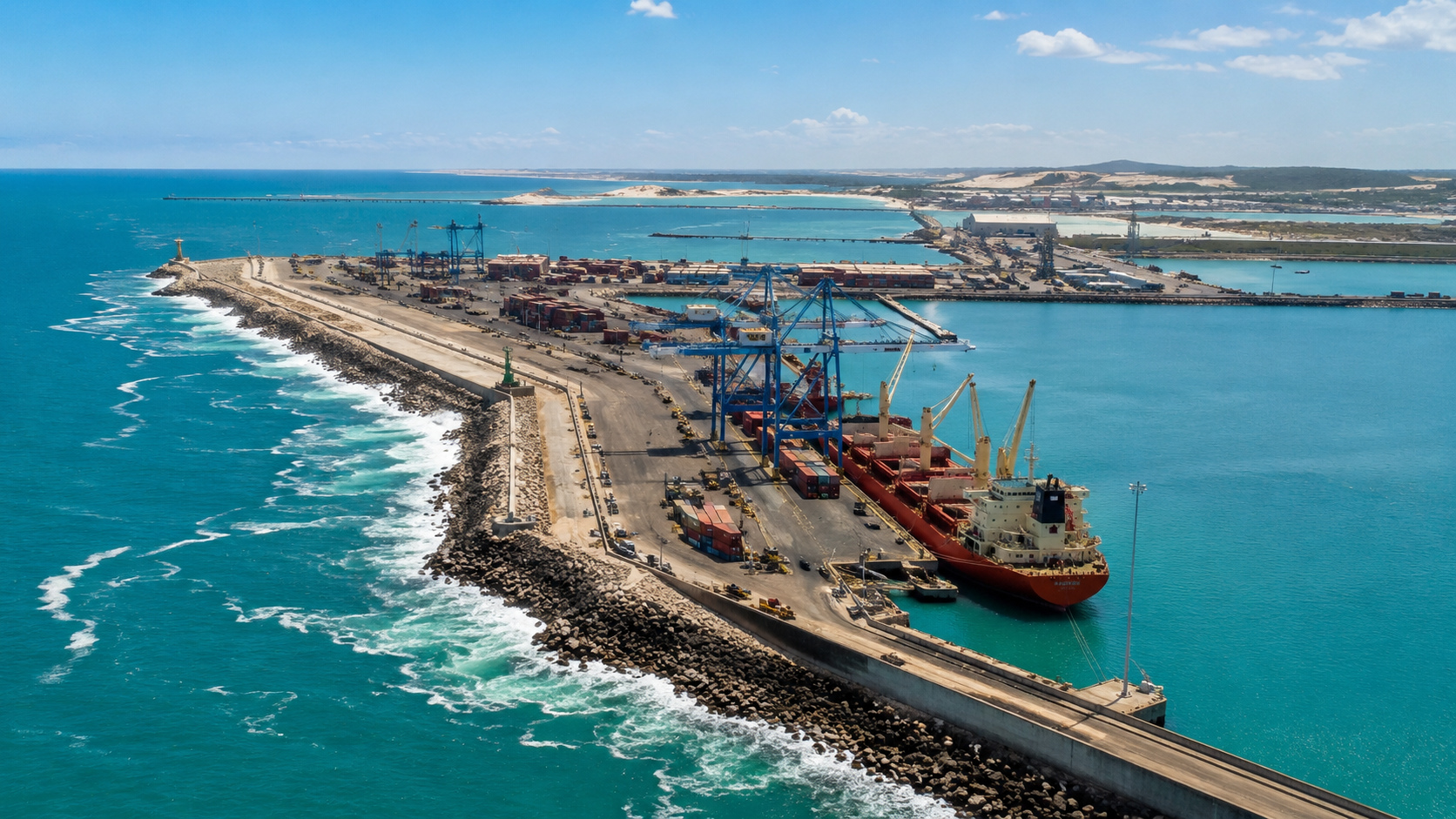
Voltalia secures 322 MW of electrical connection in Pecém and targets data centers with renewable energy, robust network, and dedicated wind projects in Ceará.

The main milestones of this action were:
- Night docking at one of the berths, reducing maritime costs.
- Simultaneous unloading for tanks and barges, accelerating processes.
- Three barges docked per day, surpassing the previous limit of one.
- Largest ship to barge operation ever recorded at the terminal, with seven barges docked consecutively.
In this way, for Ultracargo, this achievement represents not only an operational milestone but also a strategic advance to strengthen competitiveness in the sector.
Innovation And Efficiency In The Northern Arc
The performance of the Vila do Conde Terminal is not a matter of chance. Since then, the company has been investing in operational adjustments and expanding the docking window.
Furthermore, in an unprecedented operation in the first semester, Ultracargo used the pier lines to perform direct ship-barge transfer, eliminating the need for pumping to tank. Consequently, this increased flexibility and agility in operations.
According to Fulvius Tomelin, president of Ultracargo, “the terminal is experiencing a moment of consolidation and continuous advancement. We are prepared to meet demands with innovation and integrated solutions,” he stated in an interview on July 25, 2025.
Economic And Operational Impacts
This operation brought direct benefits to the company and its clients. In addition, there were significant savings in port fees and greater logistical predictability.
Consequently, the strategy of integrating night docking, multiple daily loadings, and simultaneous unloading allowed for concrete gains. Thus, it demonstrated the potential to replicate the model in other units.
In this way, for the market, this performance reinforces the relevance of the Northern Arc as a competitive logistics route, especially in fuel transportation.
What To Expect From The Future Of Operations In The North?
The record set in July may be the first of a series of advancements. In this regard, Ultracargo intends to expand the model adopted in Vila do Conde to other strategic operations, maintaining a focus on efficiency, safety, and sustainability.
However, the challenge will be to continue balancing high operational performance with practices that preserve operational safety and meet the demands of the Brazilian port sector.
What do you think should be the priority for Ultracargo: quickly expanding the model to consolidate leadership in the Northern Arc or maintaining a gradual pace, ensuring excellence and safety at each stage?




Be the first to react!