Portuguese
  Spanish


A Skilled Mechanic Manages To Repair An Engine That Was Inoperative For 60 Years
An engine that uses Willys-Knight Sliding Sleeve Valves, which had been idle for more than six decades, started running again in 2025. The restoration was carried out by a mechanical enthusiast from the United States, who documented the entire process in a video available in Portuguese.
The achievement draws attention for demonstrating the robustness of the design and the possibility of recovering historical machines, even after so many years of disuse.
History Of The Engine
This engine is a creation of Charles Yale Knight, developed in the early 1900s. This type of engine was widely used in luxury vehicles at the time, including those manufactured by Willys, before the brand became known for its jeeps.
-
New Spanish Engine with Just 500cc Promises Power of 2,000cc, Is 70% Lighter, Crankshaft-Free, Seeks $14 Million to Exit Testing by 2026

-
Nissan Versa Offers Surprising Space and Comfort for Under $10,000, Impressing with Japanese Engineering

-
Changan Hunter K50 REEV: New Hybrid Pickup with 1,031 km Range and 4×4 Drive Set to Launch in 2026

-
Brazilian Company Unveils 3.3-Meter Foldable Micro Capsule: Inflates in Under Two Minutes, Fits Small Spaces, and Includes Bed, Table, and Outdoor Shower


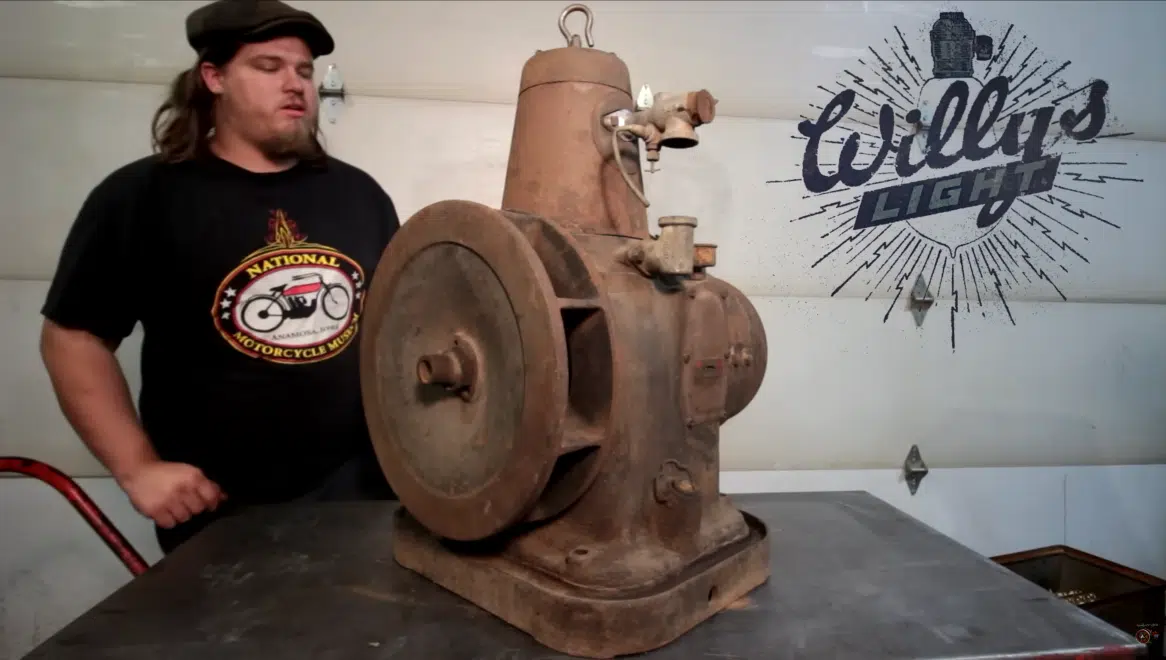
Unlike conventional four-stroke engines, it does not have a traditional valve train. Instead, it uses two cylinder sleeves that move by individual connecting rods. The airflow occurs when these sleeves slide and reveal intake and exhaust ports.
The Restoration Process
The operation of this type of engine may seem confusing, but an enthusiast shared a detailed video showing each step of the restoration. The material highlights the complexity and engineering behind the sleeve valve system.
The process included disassembly, cleaning, ignition timing adjustments, and replacement of damaged parts, such as the oil pressure gauge. In its place, a piston-type oil device was installed, ensuring the proper operation of lubrication.
The video also shows that the reconstruction was done without haste, respecting every detail of the original design. When the time came to test the engine, it started immediately at low RPMs, something remarkable for equipment that had been inactive for over 60 years.
During the initial tests, the side covers were removed, which affected the internal pressure. After reinstalling the covers and performing a cleaning, the engine was manually started and returned to normal operation.
This engine model is notoriously quiet, a characteristic that was proven in the video. The presenter covered the exhaust with a cloth to demonstrate how minimal the noise produced was. Additionally, a camera was positioned at the exhaust port, allowing a rare view of the combustion chamber in operation.
The well-filmed video, without background music, makes it easy to understand the procedures performed. The video is available in Portuguese.


This mechanical rebirth raises an interesting question: will engines manufactured today still be recoverable in the future?
With the growing dependence on electronics and modern materials, many experts question the longevity of current components. This restoration serves as a reminder of the robustness of classic engineering and the importance of historical preservation.
The documented project demonstrates the value of technical knowledge and dedication in recovering pieces of the past. It is an example of the positive impact of sharing content about engineering and restoration to keep history alive for future generations.