Portuguese
  Spanish


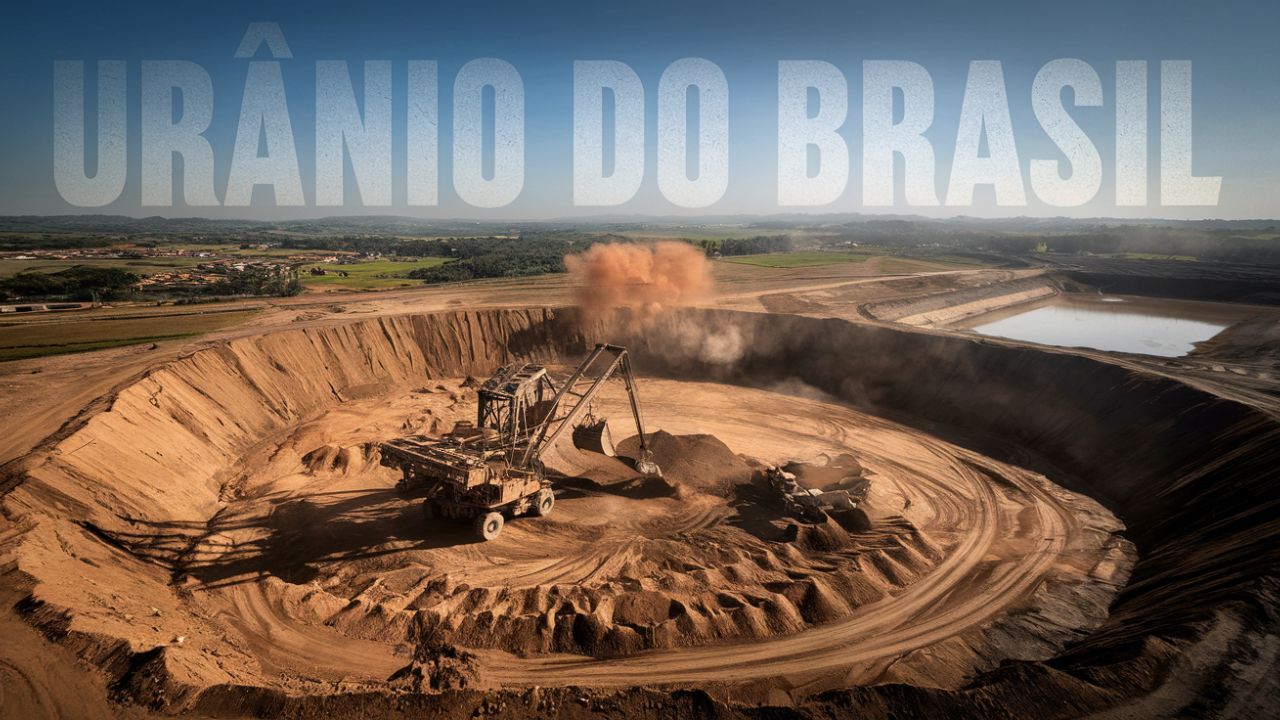

With the potential to generate R$ 1 billion per year, the exploration of uranium and phosphate in Santa Quitéria could make Brazil self-sufficient in fertilizers and nuclear energy. However, extraction requires significant water consumption and raises concerns about radioactive contamination. Environmentalists warn of the risks while the government bets on development. The final decision will be made on February 18. Is it worth it?
In the Ceará hinterland, an ambitious project is about to come to fruition or not. Santa Quitéria could host Brazil’s largest uranium mine, an enterprise that promises economic development but also raises doubts about environmental impacts. After all, is it worthwhile?
What’s at Stake?
The Itataia Farm, the epicenter of this discussion, could turn into a huge mining site. The plan is to open a crater nearly 1 km wide and 160 meters deep to extract colophonite, a mineral that combines phosphate and uranium.
But there’s an important detail: 99.8% of what will be extracted from there is phosphate, a raw material for fertilizers, while uranium represents only 0.2%. In other words, officially the focus is on meeting agricultural demand, but the uranium, a valuable byproduct, may end up playing a strategic role.
-
China could reduce iron ore imports from 80% to 50% of consumption by 2030, while its share in global steel production falls from 52% to 46%, in a shift that could reshape the global market, says CMRG.

-
Brazil is sitting on one of the largest lithium reserves in the world, in the Jequitinhonha Valley, but national mining has almost become an appendage of China: 97% of the metal’s export goes to a single country, which also dominates refining.
-
Iron ore falls to 762 yuan in China as real estate sales decline and steel production hits lowest level since 2018
-
Brazil has minerals, clean energy, and a waiting market, but it could miss a billion-dollar opportunity if it doesn’t speed up the race for green minerals, while the steel industry seeks to reduce emissions.


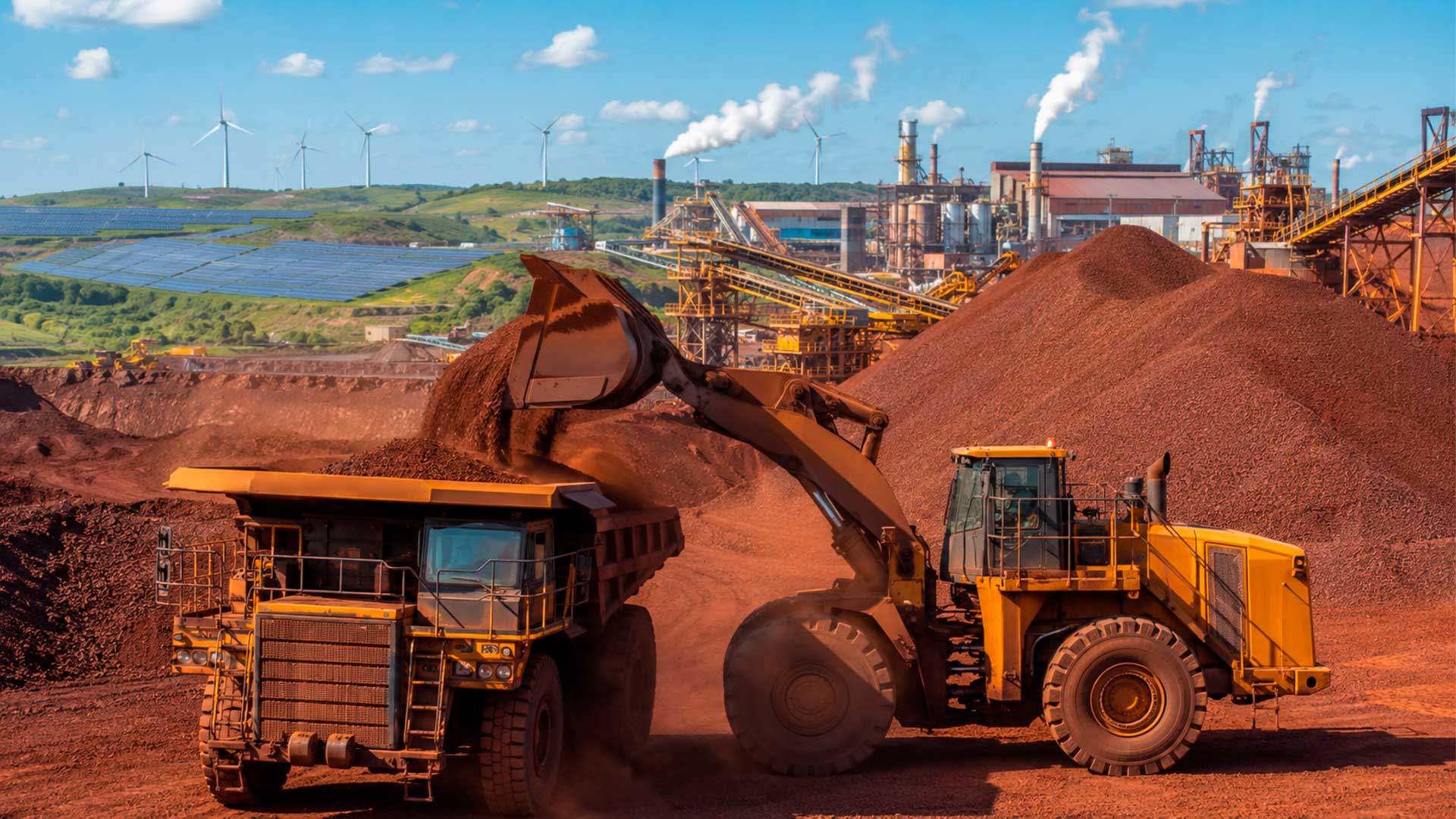
The issue is that separating these minerals requires a considerable amount of water, a scarce resource in the region. The first project, vetoed by Ibama, anticipated consumption of 30% of the flow of the Edson Queiroz dam. After adjustments, the new plan promises to reduce this impact to 10%. But does that solve the problem?
Benefits and Risks of the Project

We cannot ignore the benefits. Phosphate extraction could reduce Brazil’s dependence on imported fertilizers, with about 80% currently coming from abroad. Not to mention the project promises to generate up to 6,000 direct and indirect jobs, boosting the local economy.
According to Epoca Negocios, in the energy sector, uranium exploration could allow Brazil to multiply its production of this mineral by 11, making the country self-sufficient and potentially an exporter. And the estimated revenue? Something in the range of R$ 1 billion per year. Not bad, right?
But not everything is rosy. Residents of quilombola communities, such as Queimadas, fear that uranium radioactivity will contaminate the soil, water, and air. Moreover, many say they would lose their customers if mining began, as no one wants to buy food from a region associated with environmental risks.
Not to mention that any issue in the process could have serious consequences for the drought that is already plaguing the region. Even with promises of reduced water consumption, environmentalists remain cautious.
The Role of Uranium in Brazil’s Energy Matrix
Now, let’s think about the strategic side. The whole world is seeking more reliable energy sources, and uranium plays an important role in that. Countries in Europe and Asia are already investing more in nuclear energy, especially in light of the fossil fuel crisis.
Brazil, with its natural reserves, could ride this wave and ensure greater energy security. But does it make sense to bet on this source now?
The Historical Wear of Nuclear Energy in Brazil
Here lies another problem: nuclear energy in Brazil already has a troubled history. Who doesn’t remember the saga of Angra 3? The plant began construction in the 1980s, is 65% complete, has already consumed R$ 12 billion, and still needs another R$ 23 billion to be completed.
Oh, and there’s also the issue of nuclear waste. What to do with radioactive residues? Safe storage can take thousands of years, which means a long-term commitment that few countries want to make.
Nuclear energy doesn’t come cheap. BNDES estimated that the megawatt generated by Angra 3 would cost R$ 653, one of the most expensive on the market. So, is it worth investing more in this technology?
What’s Next?
The decision about the Santa Quitéria mine is scheduled for February 18, when the National Energy Policy Council will make its decision. If approved, mining could boost the nuclear sector and reduce dependence on imported fertilizers. But if blocked, Brazil will continue to import most of what it needs for agribusiness and miss out on exploring an energy potential that many countries are coveting.