Portuguese
  Spanish


The wetlands of Kolkata receive urban wastewater through channels that reach fish ponds and gardens. The model combines sewage treatment, food production, and income for workers, but it needs water quality control, protection against landfills, and permanent attention to public health.
In Kolkata, India, urban wastewater travels through channels to fish ponds and agricultural areas. The path has created a recycling system that combines sewage treatment, food production, and work for families living off the wetlands.
Wastewater is the water that has already left homes and urban services after use. It cannot be dumped into crops or ponds without care. In Kolkata, circulation through the channels and time in the ponds are part of a process that requires sanitary care.
The information was released in a November 2010 bulletin by the East Kolkata Wetlands Management Authority, a public authority for the management and conservation of wetlands. The document provides a snapshot of that period and shows why protecting the area is important for the city and for those who work there.
-
At 15, Logan Walter started making TikTok videos at home, discovered he could earn money selling beauty products, dropped out of college at 21, and made his first million through commissions, famous brands, and men’s self-care.

-
Historic 600-Ton Church Relocated 5 km to Avoid Sinking Ground Near Brazilian Mine, Prompting City Reorganization

-
Indian Farmers Use 200-Year-Old Bamboo Tube System for Drip Irrigation Without Electricity or Pumps
-
Racing Motorcycles Rescued from Irish Sea Shipwreck, Joey Dunlop Wins Three Isle of Man TT Races Days Later




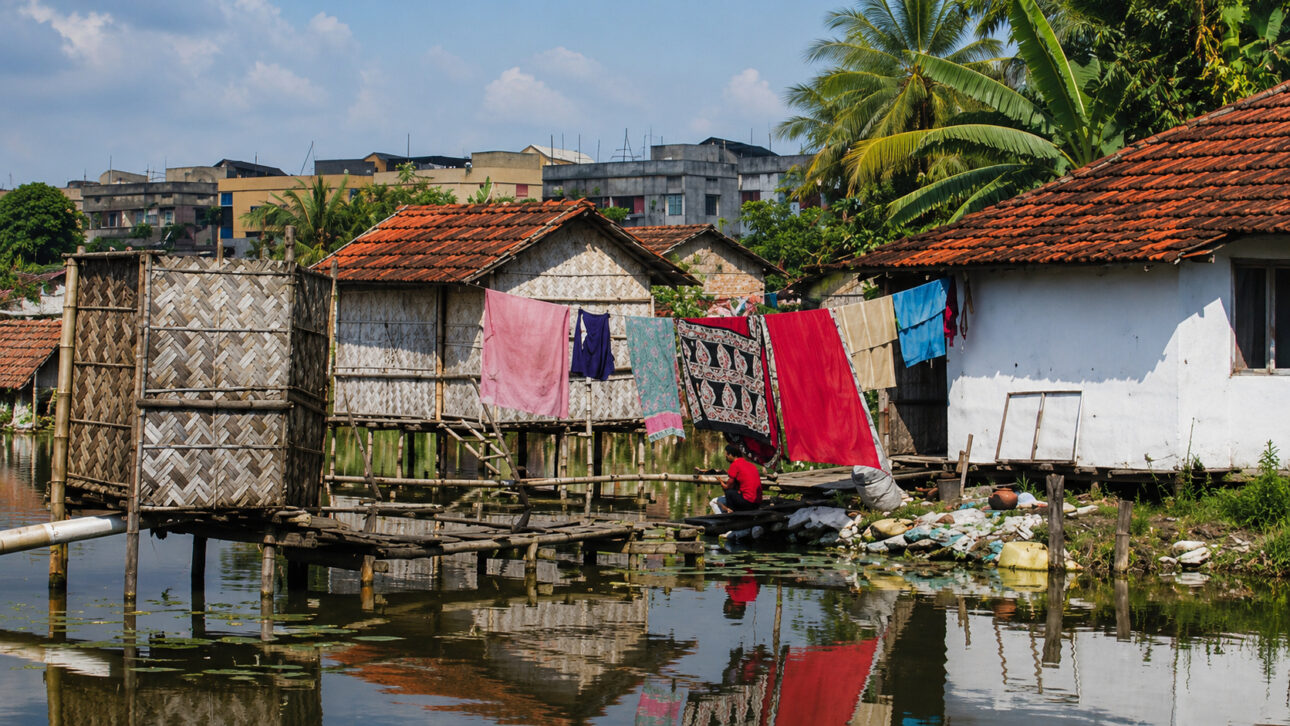
Channels carry wastewater and maintain sewage treatment in the ponds
The channels function as the backbone of Kolkata’s wetlands. They carry urban wastewater to the ponds used for fish farming and to areas where vegetables are cultivated.
Pumping stations also participate in the route. They help transfer the city’s sewage to the wetlands, where the water becomes part of a cycle linked to fish farming and agriculture.
Without the circulation of wastewater through the channels, the lagoons do not receive the necessary flow to maintain this model. Therefore, the state of the channels interferes with sewage treatment, production, and the work of fishermen and farmers.
Time in the lagoons helps improve water for fish farming
The water does not go directly to the fish as soon as it leaves the channels. The use of sewage in the lagoons was organized based on the time needed to improve the water quality before fish farming.
This period within the lagoons is called retention time. In simple words, the water needs to stay there for a while before being used in aquaculture. The goal is to create more suitable conditions for the fish.
Even with this care, the use of urban effluents requires attention. The water quality needs to be monitored, as food and public health are linked to the functioning of the lagoons. The Kolkata model does not serve as authorization to discharge sewage without control into rivers, gardens, or farms.
Lagoons and gardens supported 20,000 families in the November 2010 snapshot
The East Kolkata Wetlands Management Authority, the public authority for the management and conservation of wetland areas, recorded an area of 12,500 hectares and the livelihood of about 20,000 families through products such as fish and vegetables.
The November 2010 bulletin also recorded 264 fish farming lagoons in operation. Production exceeded 15,000 tons of fish per year, while horticulture reached nearly 150 tons of vegetables per day.
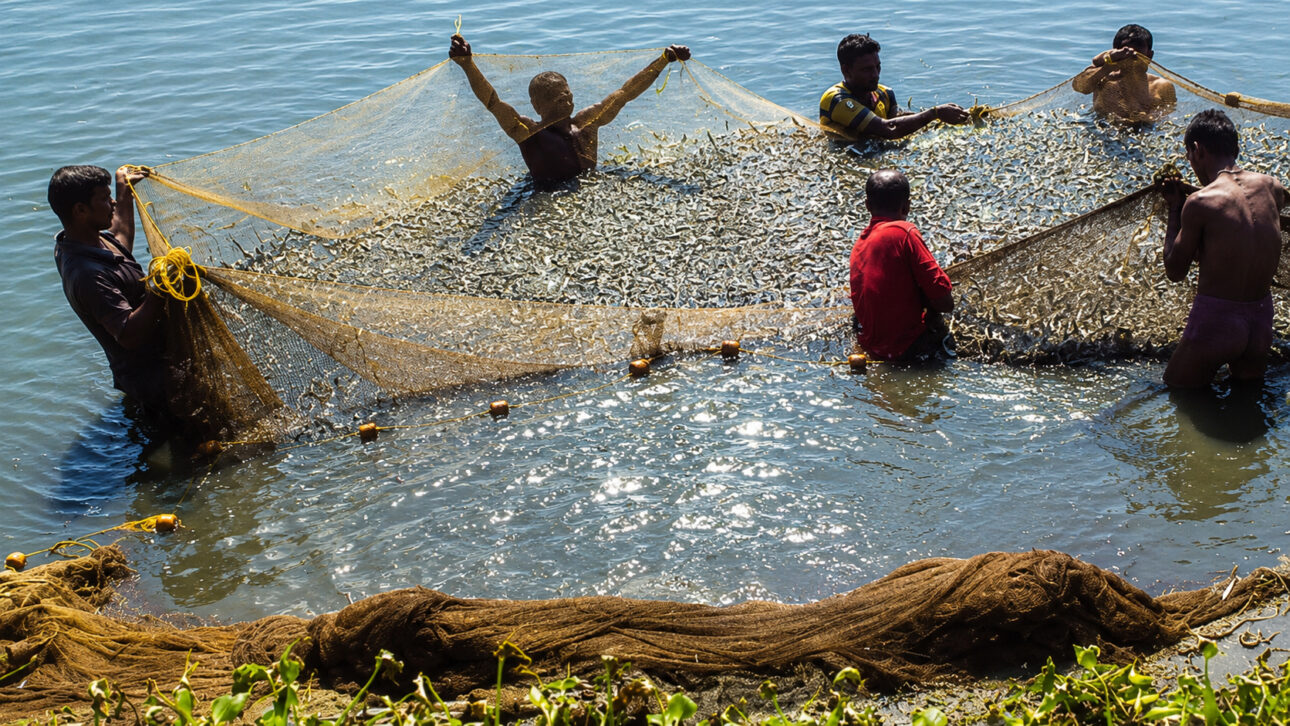
These numbers describe the situation presented in the November 2010 bulletin. They help measure the economic weight of the wetland areas, but should not be treated as current production data or families served.
Landfills and urban expansion can reduce the space that maintains the system
The wetland areas of Kolkata face pressure from changes in land use. This means that lagoons, agricultural areas, and flooded spaces may lose ground to construction and urban occupations.
The bulletin describes that the city has already gone through proposals for expansion over the wetlands. The legislation created in 2006 prohibited new reductions of the area and changes in land use within the protected site.
When a lagoon is filled in, the city loses part of a structure that receives water, produces food, and supports workers. The loss also hinders the continuation of water recycling that depends on the connection between channels, lagoons, and agricultural areas.
What Brazil can learn from the wetlands of Kolkata
The case of Kolkata helps to understand the difference between a natural wetland and a constructed flooded area. The constructed flooded area is planned to help in the treatment of used water. Meanwhile, Kolkata combines an existing wetland, a network of channels, and traditional forms of production.
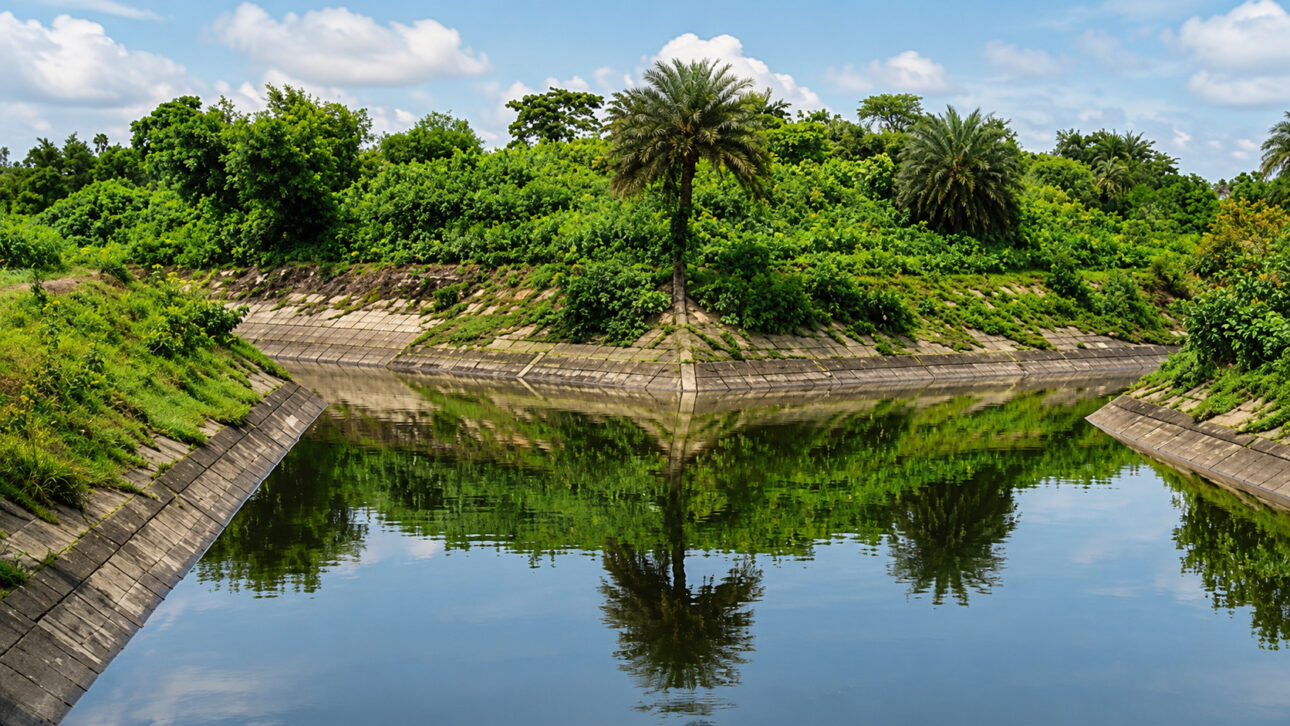
In Brazil, natural effluent treatment and agricultural reuse solutions need to be planned for each location. The use of treated water in agriculture depends on regulations, monitoring of water quality, and protection of those who produce and consume the food.
The main lesson is not to copy Kolkata. It is to recognize that sanitation, food production, and environmental preservation can work together when there is control, protected space, and responsibility for public health.
The lagoons of Kolkata show that the water used by a city can enter a cycle of treatment and production, instead of carelessly flowing into rivers and channels. This result depends on infrastructure, local work, and protection of the wetland.
The system also leaves a clear warning: recycling water does not eliminate risks. Channels, lagoons, and gardens need water quality control so that food production does not put workers and consumers in danger.
In your opinion, could a Brazilian city make use of used water without losing sight of public health and the protection of food producers? Share this publication and leave your point of view.