Portuguese
  Spanish


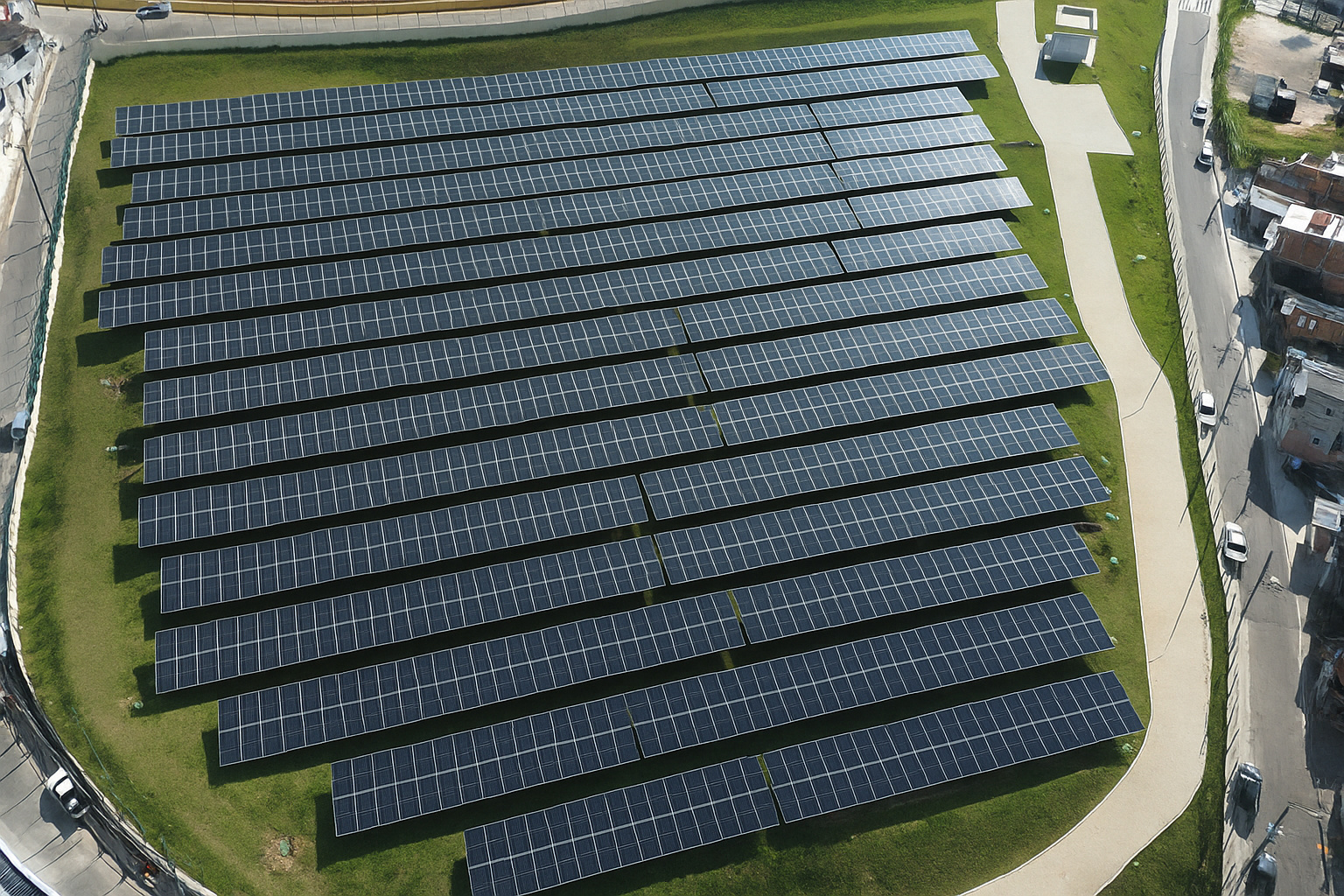

Discover How the Solar Plant in Santo André Transforms an Old Dump into Clean and Sustainable Energy That Supplies Thousands of Families.
Beginning of a Necessary Change
The story of the solar plant in Santo André begins at a time when the city was seeking more efficient solutions to longstanding problems. For decades, the site operated as a dump that caused significant environmental and social damage.
As the years went by, however, it became clear that the area needed a new function. Therefore, public managers, environmental specialists, and residents began discussing alternatives that would truly regenerate the space while also contributing to the region’s energy future.
As discussions progressed, the awareness grew that solar energy offered significant advantages. After all, in addition to being a clean source, it allowed for the use of areas that no longer had traditional urban usage.
-
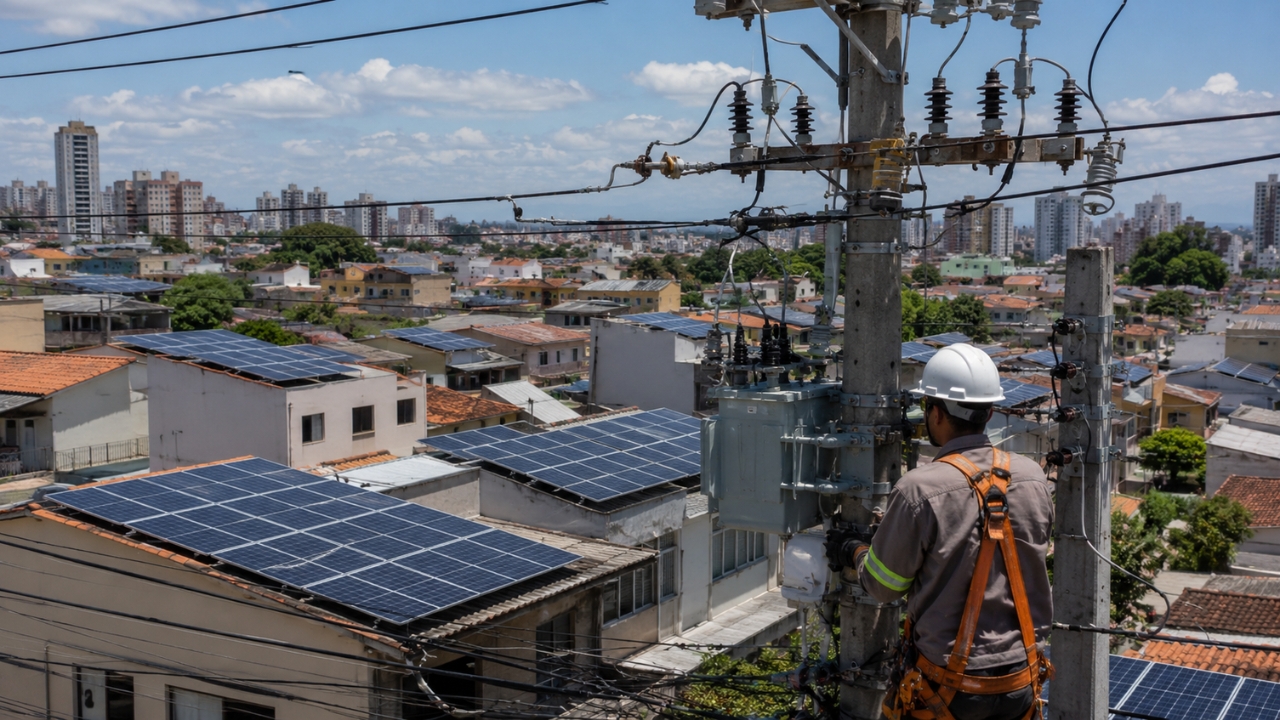
World’s Largest Engie Solar Plant in Brazil Highlights Billion-Dollar Energy Waste Issue: Company Considers Batteries and Bitcoin Mining to Avoid Wasting Production

-
Over 60 Tractors Take to the Streets in Lopera as Solar Parks Compete with Olive Groves, Affecting 13,000 to 100,000 Trees According to Conflicting Reports

-
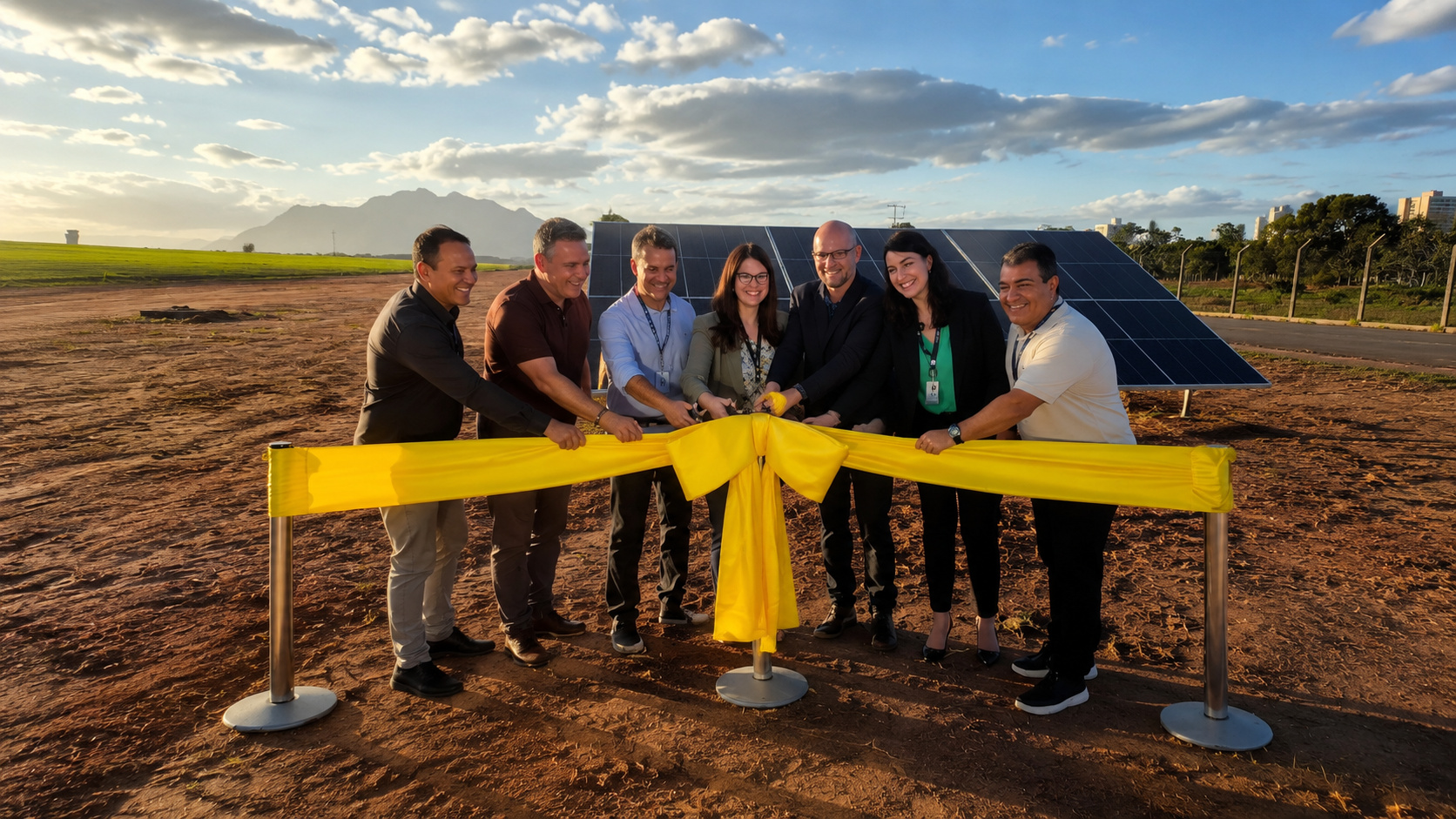
Brazil’s Vitória Airport to Launch Solar Plant Covering Area of 10 Soccer Fields, Boosting Clean Energy and Cutting Costs
-
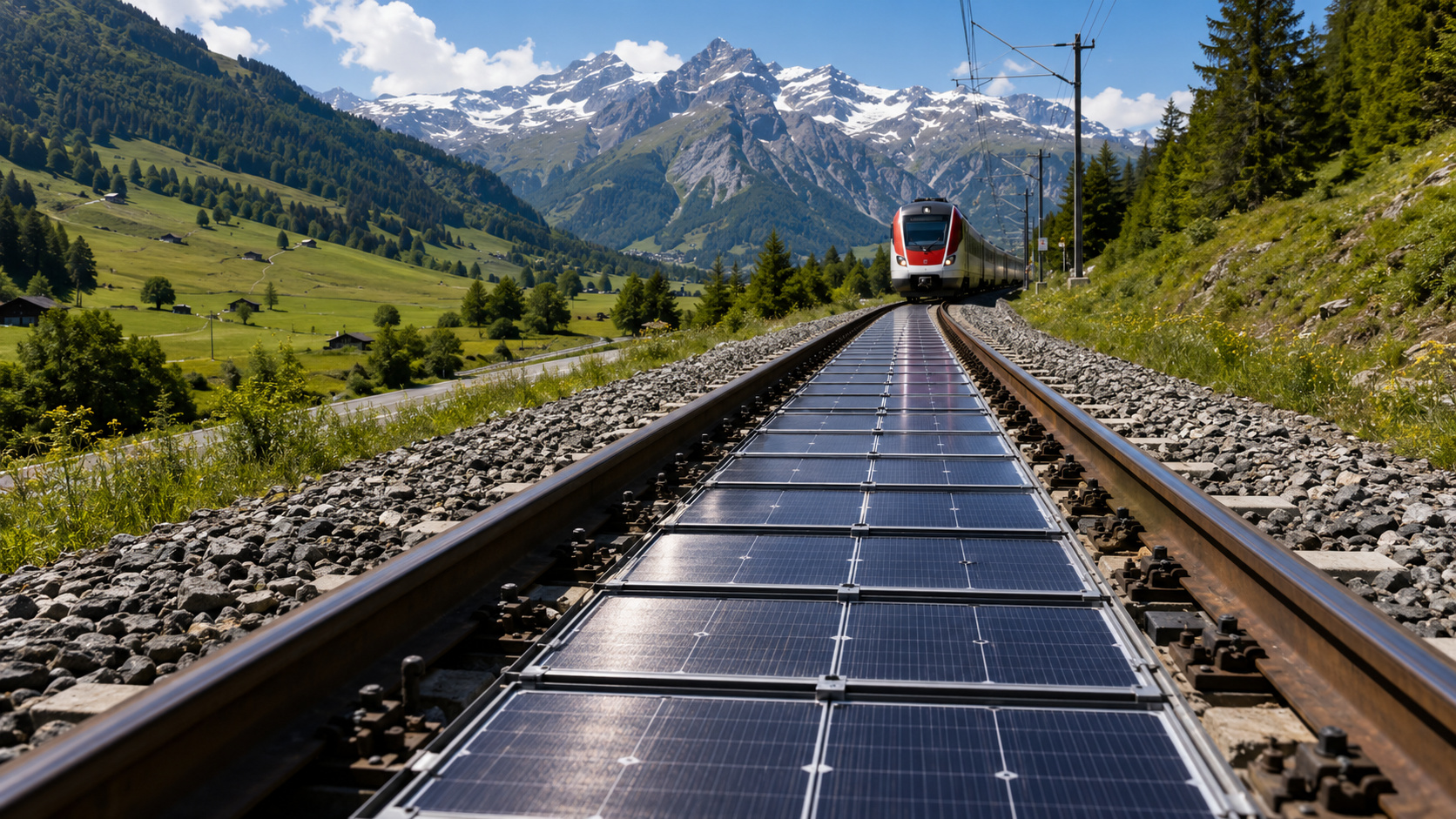
Switzerland Converts Train Tracks into Solar Power Plants with Removable Panels to Generate Energy Without Using Additional Land


Thus, the idea of transforming the old dump into a solar plant gained momentum and became a hallmark of innovation for the municipality.
Shortly after this initial debate, the first environmental studies confirmed that the land could, with appropriate interventions, accommodate photovoltaic panels. This happened because the technology requires lightweight and relatively simple structures.
Consequently, Santo André saw the emergence of a project that united urban renewal, sustainability, and future vision.
The City and Its Reinvention
As soon as the construction began, it became clear that the initiative would mark a new chapter in local history. After all, the installation of the panels profoundly reorganized a previously degraded area.
Moreover, it reduced negative impacts and symbolized the city’s capacity to reinvent itself. The plant also began to attract researchers, public managers, and specialists interested in understanding how the project could be replicated in other regions of the country.
At the same time, Brazil was experiencing a period of accelerated solar energy expansion. Thus, Santo André found itself aligned with a national and international trend that values renewable sources, clean investments, and urban requalification.
This convergence further strengthened the symbolism of the project. The old dump ceased to be an environmental liability and became a strategic asset for the city.
The region gained quality of life, received improvements, and began to integrate broader energy transition policies.
The Advancement of Solar Energy in the Country
While Santo André developed its project, Brazil observed a significant growth in solar energy at the residential, commercial, and industrial levels. This was happening due to both climatic issues and economic transformations that made the technology more accessible.
Thus, photovoltaic systems became more attractive to families and businesses.
Furthermore, the sector began generating jobs, boosting technology companies, and strengthening the national production chain. The solar plant in Santo André reinforced this movement by showing how centralized generation complements residential systems.
These models enhance energy security and diversify the country’s energy matrix. Therefore, when the city inaugurated its plant, it already found itself in a favorable environment for renewables.
This helped keep the project financially viable and technically sound. Thus, the municipality consolidated its active participation in the Brazilian energy transition.
Environmental Recovery as a Pillar of the Project
The revitalization of the old dump was not limited to the installation of the panels. On the contrary. It required a series of studies to ensure that the soil and subsoil were prepared to receive clean technology.
Thanks to these assessments, the city was able to prepare the land and ensure the stability of the photovoltaic bases. This stage was essential.
It ensured that the area truly left behind decades of degradation. After this careful preparation, the plant became an example of how clean technologies can recover abandoned spaces.
This transformation reinforces the importance of environmental engineering combined with sustainability. Such projects show that areas once considered irrecoverable can gain new uses and social functions.
As a result, Santo André demonstrated that Brazil could recover numerous similar sites. As the country still has thousands of deactivated dumps, initiatives of this kind open new urban and energy possibilities.
Community, Education, and Social Impact
When the project took shape, the local population needed to understand how the plant would operate. Thus, dialogue programs were created to explain each step.
Transparent communication strengthened residents’ support and reduced resistance. Additionally, local schools began visiting the site, using it as a learning environment about sustainability.
These visits connected children and young people to the reality of energy transition and reinforced a more conscious environmental culture.
At the same time, the project generated jobs and stimulated companies specializing in solar energy. The local economy received boosts and benefited workers and service providers.
Thus, the plant positively impacted both the environment and the social development of the city.
A Model That Inspires Other Regions
The story of the solar plant in Santo André has become a reference for other cities. This happened because the project united energy transition, environmental regeneration, and urban innovation in a single solution.
Moreover, it highlighted that abandoned areas can gain new urban roles. As managers from other regions observe the case, interest grows in understanding how to replicate it.
Thus, the project transforms into a living laboratory of urban transformation. It demonstrates that sustainable solutions depend on planning, vision, and continuity.
In this way, Santo André paves the way for Brazil to strengthen its renewable matrix in a structured manner. When such initiatives spread, the country advances towards a cleaner and more democratic energy model.
Paths to the Future
From the experience of the plant, Santo André realized that sustainability requires continuity. Therefore, the municipality can expand energy efficiency programs and encourage residential solar installations.
It can also promote other clean technologies that strengthen environmental commitment. These steps deepen the transformation initiated with the plant and strengthen the city’s role in the national energy transition.
Additionally, the experience demonstrates that well-integrated public policies yield lasting results. The plant represents an important milestone.
It also points to new opportunities that can establish Santo André as a national reference in environmental innovation.
The trajectory of the solar plant in Santo André reveals the power of transformation when society, technology, and public management walk together. Although the area had a past marked by degradation, it became a reference for sustainable energy.
This example shows that historical problems can turn into long-lasting solutions when there is planning, commitment, and a long-term vision.
Thus, Santo André builds a legacy that inspires other cities and strengthens the Brazilian energy transition.